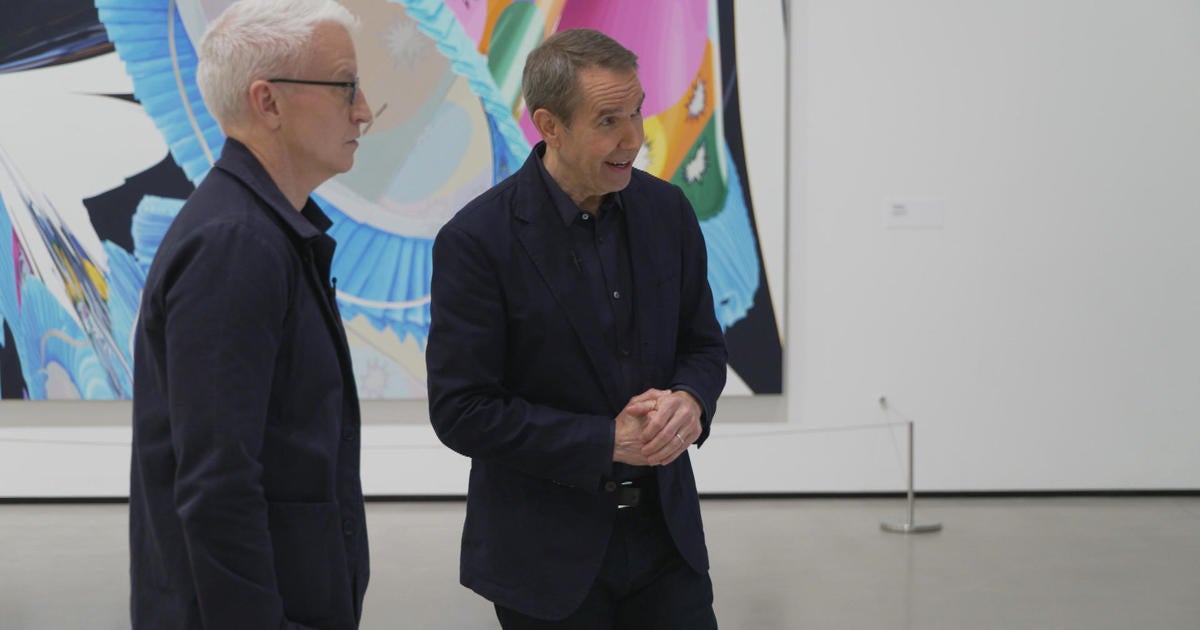
In a recent interview, renowned American artist Jeff Koons emphasized the significance of dialogue in the art world, stating that inspiration can come from anywhere. His remarks were made during an appearance on the David Rubenstein show recorded on February 2 in New York. Koons, known for his artistic works such as Play-Doh, affirmed that art is not exclusive to the elite; rather, everyone can participate in this dialogue.
During the interview, Koons discussed his sources of inspiration, noting that everyday life experiences can be a powerful motivator for creativity. He also pointed out that art expresses a variety of emotions and thoughts, making it a means of communication between different cultures.
Event Details and Insights
In the latest episode of the David Rubenstein show, Koons addressed how art can serve as a bridge for communication between individuals and communities. He stressed that discussions about art should be open to everyone, regardless of their cultural or educational backgrounds. This idea aligns with contemporary trends in the art world, where many artists strive to make their works more inclusive.
Koons, considered one of the leading contemporary artists, added that art can be a means of expressing social and political issues. Through his works, he aims to provoke discussions on complex topics, reflecting the challenges faced by society today.
Background & Context
Historically, art has been viewed as a closed field reserved for a specific group of people, but this concept has begun to change in recent years. With the rise of social media, both amateur and professional artists can showcase their works and engage with a wider audience. This phenomenon has contributed to the idea that art is a right for everyone.
Moreover, many art exhibitions have started adopting a more inclusive approach, providing opportunities for artists from diverse backgrounds to display their works. This trend reflects the cultural and social changes occurring in societies today, where art is seen as a means of expressing identity and belonging.
Impact & Consequences
The implications of Koons' statements extend beyond the realm of art, demonstrating how art can be a tool for social change. By encouraging open dialogue, art can contribute to addressing social and political issues, thereby enhancing public awareness.
This dialogue can also foster mutual understanding between different cultures, helping to build more cohesive communities. In a world filled with challenges, art is considered an effective means of expressing the issues that matter to people.
Regional Significance
In the Arab region, art is viewed as a powerful means of expressing identity and culture. With an increasing number of Arab artists seeking to use their art as a vehicle for addressing social and political issues, Koons' ideas could further enhance this trend.
Additionally, dialogue about art can help promote mutual understanding between Arab and global cultures, thereby enhancing the status of Arab art on the international stage. Amid the challenges facing the region, art serves as a medium for expressing hope and change.
In conclusion, Jeff Koons' statements highlight the importance of dialogue in the art world, where everyone can participate in this discussion. By promoting this idea, art can contribute to building more cohesive and understanding communities.