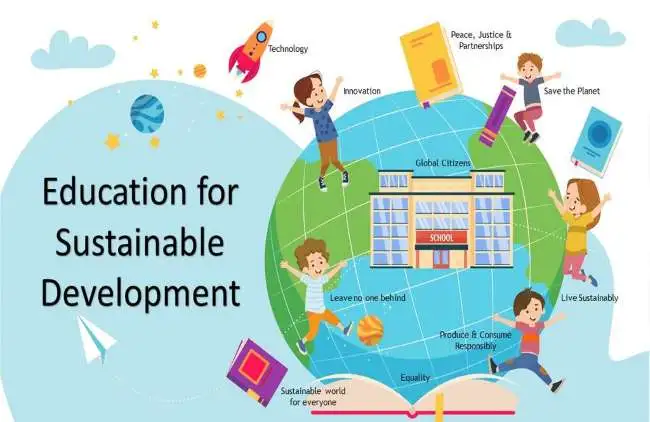
Reports indicate that education is a fundamental pillar for achieving sustainable development in communities. Many countries are striving to improve their education systems to address economic and social challenges. In light of the rapid changes occurring in the world, it has become essential for education to adapt to market needs and the requirements of the modern era.
The importance of education has increased amid global crises such as the Corona pandemic, which revealed gaps in education systems worldwide. Experts have pointed out that investing in education can significantly contribute to enhancing economic growth and reducing poverty.
Details of the Event
In recent years, numerous educational initiatives have been launched in various countries aimed at improving the quality of education and providing equal opportunities for all students. These initiatives include curriculum development, teacher training, and expanding access to modern technology in classrooms.
There has also been a focus on the importance of technical and vocational education, as it helps equip youth with the necessary skills to enter the job market. Studies have shown that technical education can have a positive impact on youth unemployment rates.
Background & Context
Historically, education has been considered a fundamental human right, recognized in many international agreements. However, there are still many challenges facing education systems in developing countries, such as resource shortages, weak infrastructure, and inequality in access to education.
International organizations, such as the United Nations, are working to promote education as part of the Sustainable Development Goals, with the fourth goal identified as a key objective aimed at ensuring quality and inclusive education for all.
Impact & Consequences
Studies confirm that quality education can contribute to improving public health, reducing crime rates, and enhancing civic engagement. Education also empowers individuals to make informed decisions, leading to more stable and prosperous communities.
Moreover, education plays a pivotal role in addressing global challenges such as climate change, as it can contribute to raising environmental awareness and developing sustainable solutions.
Regional Significance
In the Arab region, education faces numerous challenges, including armed conflicts, displacement, and funding shortages. However, there are increasing efforts by governments and non-governmental organizations to improve education systems and provide a safe learning environment.
Educational initiatives in Arab countries are considered an important step towards achieving sustainable development, as they contribute to building a generation capable of facing future challenges and contributing to the development of their communities.
In conclusion, education remains one of the most important factors determining the future of nations. Investing in education is not just an option; it is an urgent necessity for achieving sustainable development and building prosperous communities.