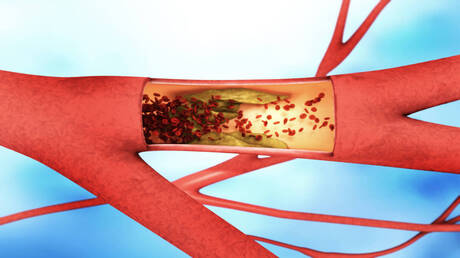
A recent study from the Karolinska Institute in Sweden indicates that maintaining good physical fitness in one’s thirties and fifties can help preserve vascular elasticity in old age. These findings underscore the significance of physical activity as a key factor in promoting cardiovascular health.
Concerns about arterial health increase with age, as many individuals face health issues related to the heart and blood vessels. Research has shown that maintaining a high level of physical fitness can play a crucial role in reducing the risks associated with these problems.
Event Details
The study involved analyzing data from a group of individuals aged between 30 and 50 years, where their fitness levels were assessed through various tests. The results revealed that individuals who maintained regular physical activity were less likely to lose vascular elasticity as they aged.
Researchers also noted that exercise not only improves physical fitness but also contributes to better mental health and reduces stress levels, thereby enhancing overall quality of life.
Background & Context
Arterial health is a global health issue affecting millions of people. According to the World Health Organization, cardiovascular diseases are the leading cause of death worldwide. Therefore, understanding how to maintain arterial health is of utmost importance.
Research on the impact of lifestyle on heart health is increasing, with studies indicating that factors such as nutrition and physical activity play significant roles in preventing heart diseases. This new study adds an additional dimension to our understanding of how fitness impacts arterial health.
Impact & Consequences
These findings highlight the importance of raising awareness about the significance of physical activity at various life stages. It is essential to encourage individuals to engage in regular exercise, especially in middle-aged demographics.
This study could lead to the development of health programs aimed at promoting physical activity, which may contribute to reducing cardiovascular disease rates in communities. Additionally, these results could inspire policymakers to adopt strategies that support active lifestyles.
Regional Significance
In the Arab region, rising rates of obesity and heart diseases make it crucial to enhance awareness about the importance of physical activity. This study could serve as a catalyst for developing health programs targeting both youth and the elderly.
Promoting a sports culture is essential in Arab communities, as it can contribute to improving public health and reducing the healthcare burden on health systems.
Maintaining arterial health requires continuous effort, and physical activity should be an integral part of one’s lifestyle. This study opens new avenues for understanding the relationship between fitness and arterial health, emphasizing the importance of exercise in our daily lives.