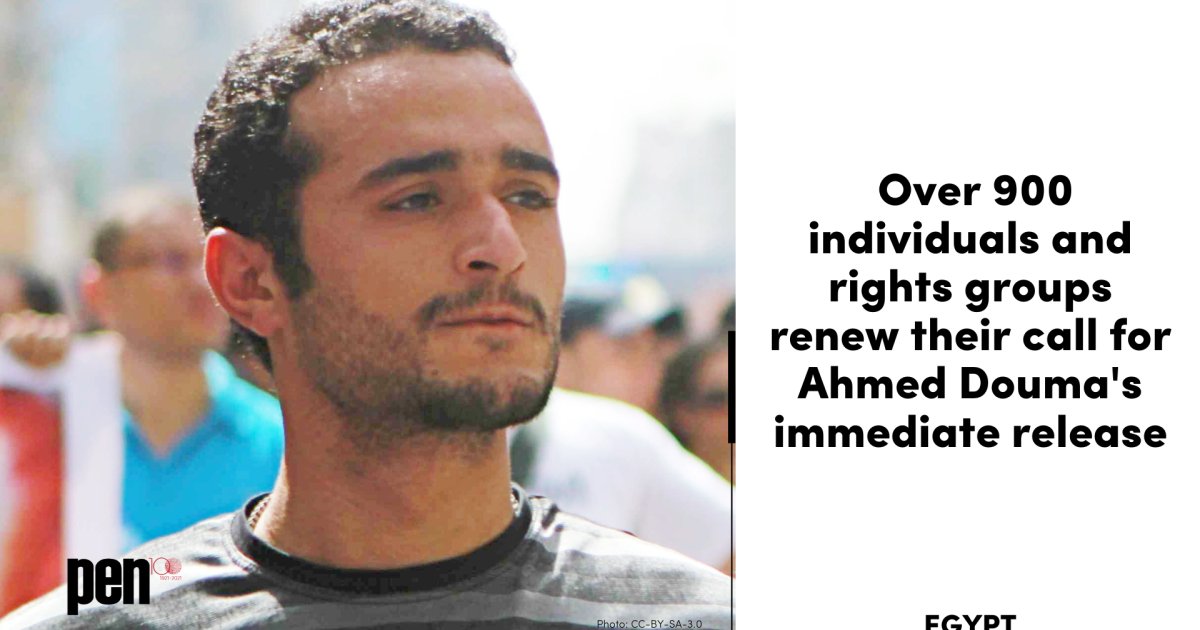
The Egyptian Public Prosecution has issued a decision to detain political activist Ahmed Douma for four days, under the accusation of spreading false news. This decision followed investigations conducted by the prosecution regarding allegations related to disseminating incorrect information via social media platforms.
This action is seen as part of a broader campaign to confront what the Egyptian government describes as misinformation that could impact national security. The case has sparked widespread controversy in political and media circles, as Douma is considered one of the most prominent figures in the Egyptian political movement.
Details of the Incident
Ahmed Douma, who gained fame for his role in the Egyptian revolution of 2011, was arrested earlier this week. He was summoned for questioning after publishing information that the government deemed to fall under the category of false news. The Public Prosecution stated that investigations will continue to determine the validity of the charges against him.
Legal sources indicate that Douma could face severe penalties if found guilty. This detention comes at a sensitive time when the country is witnessing discussions about freedom of expression and human rights, amid growing concerns over the restriction of freedoms in Egypt.
Background & Context
Historically, Egypt has seen numerous cases related to freedom of expression, especially following the 2011 revolution. The Egyptian government has taken strict measures against what it considers threats to national security, leading to the arrest of many activists and journalists. Douma, who has previously spent years in prison due to his political activism, symbolizes the struggle for human rights in the country.
In recent years, international criticism of Egypt has escalated due to its human rights record, prompting the government to adopt stricter measures against dissenters. These issues raise questions about the future of freedom of expression in Egypt.
Impact & Consequences
The imprisonment of Douma could have significant repercussions for the political movement in Egypt. Activists and observers believe that this decision may negatively affect the morale of opposition figures and foster a climate of fear among political activists. Additionally, this step could lead to increased international criticism of the Egyptian government.
Simultaneously, this case may strengthen solidarity among activists both domestically and abroad, potentially increasing pressure on the government to release political detainees. There are also concerns that these actions could exacerbate the political and economic situation in the country.
Regional Significance
The case of Ahmed Douma is not isolated; it reflects a broader reality in the Arab region where many countries face similar challenges in dealing with freedom of expression. Governments in several Arab nations adopt strict policies against dissenters, raising concerns about human rights.
This situation could worsen political crises in the region, as the restriction of freedoms may contribute to increased social tension. Furthermore, these issues may affect relations between Arab countries and the international community, especially amid growing pressures from human rights organizations.
In conclusion, the imprisonment of Ahmed Douma serves as an indicator of the challenges facing freedom of expression in Egypt, reflecting the ongoing conflicts between the government and activists. This case could be a turning point in the trajectory of the political movement in the country, warranting close monitoring by local and international observers.