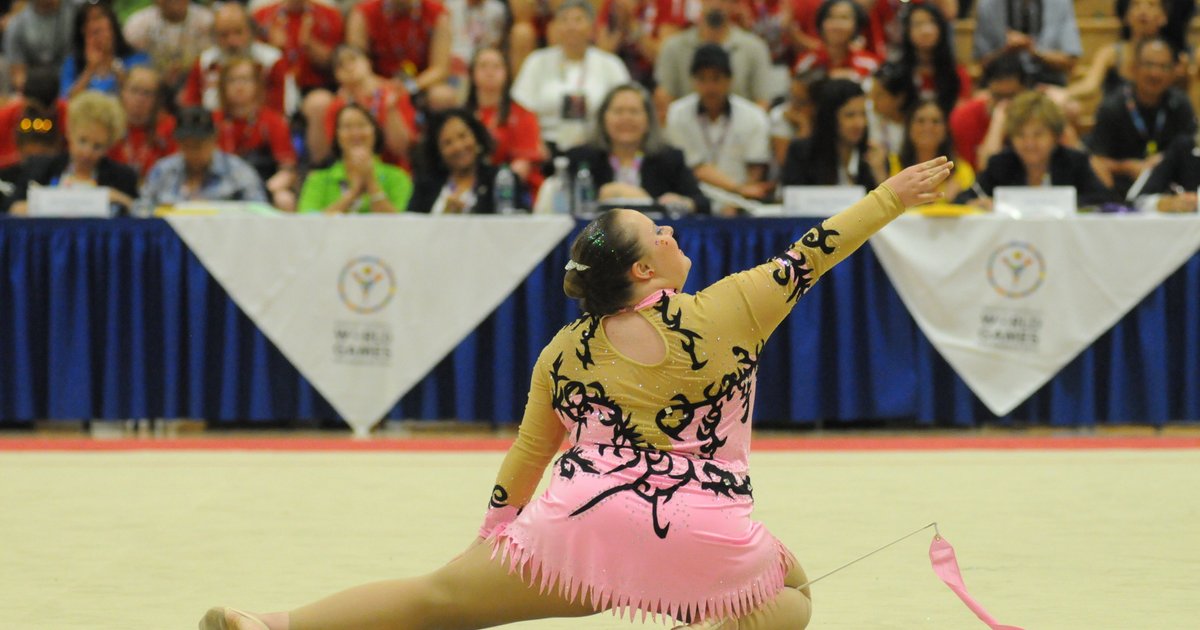
The Special Olympics International has announced the inclusion of artistic and rhythmic gymnastics in the upcoming games, a decision that reflects the organization's commitment to expanding the range of sports it encompasses. This decision aims to enhance opportunities for athletes with disabilities to showcase their athletic skills, contributing to the spirit of competition and social interaction.
The inclusion of artistic and rhythmic gymnastics is part of the Special Olympics' efforts to provide an inclusive sports environment where athletes of varying abilities can compete in multiple fields. This expansion of sports reflects the Special Olympics' commitment to promoting diversity and inclusivity in sports, thereby improving the quality of life for athletes with disabilities.
Event Details
This decision was announced during a press conference held by officials from the Special Olympics, who emphasized the importance of including artistic and rhythmic gymnastics as part of the strategy to develop the games. The new program includes a range of events that will provide athletes with the opportunity to compete in a professional environment, enhancing their chances of achieving outstanding athletic accomplishments.
Artistic and rhythmic gymnastics are among the sports that require high-level skills, combining strength, flexibility, and coordination. The inclusion of these sports will enable athletes to develop their technical skills and will help highlight their unique abilities.
Background & Context
The Special Olympics was founded in 1968 with the aim of providing sports opportunities for individuals with disabilities. Since then, the organization has witnessed significant growth in the number of sports and events it includes. The inclusion of artistic and rhythmic gymnastics represents a new step in this direction, contributing to enhancing the Special Olympics' status as a global sports platform.
Over the years, the Special Olympics has achieved many milestones, including organizing global games in various countries. The inclusion of artistic and rhythmic gymnastics comes at a time when the world is witnessing an increasing interest in sports as a means to promote social inclusion and interaction among different cultures.
Impact & Consequences
This decision will have a positive impact on athletes with disabilities, as it will provide them with a new platform to express their talents. It will also contribute to raising awareness about the importance of sports in the lives of individuals with disabilities, which may lead to greater support from the community.
Moreover, the inclusion of artistic and rhythmic gymnastics may encourage more youth to engage in sports, fostering a spirit of competition and cooperation among athletes. This could contribute to improving the mental and physical health of many participants.
Regional Significance
In the Arab region, the inclusion of artistic and rhythmic gymnastics in the Special Olympics represents an opportunity to enhance sports participation among youth with disabilities. This decision may encourage Arab countries to develop similar sports programs, contributing to improving the quality of life for many individuals.
This trend also reflects the commitment of Arab countries to achieving inclusivity in sports and enhances opportunities for cooperation among countries in the field of sports development for individuals with disabilities. Ultimately, this decision represents a positive step towards building a more inclusive and diverse sports community.