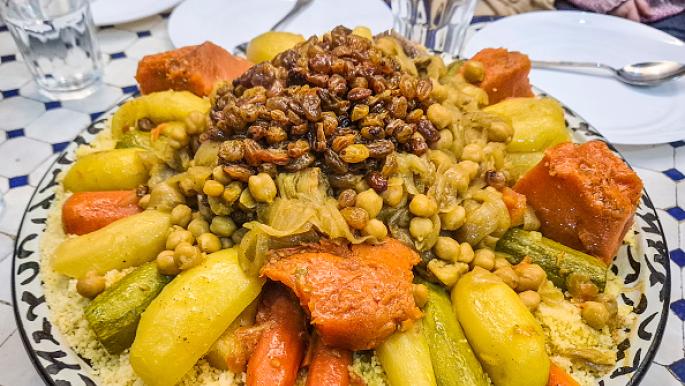
Couscous, or kouskous, has become a symbol of Moroccan culture, transcending its national borders to reach outer space. In an unprecedented move, this traditional dish has been included in the food menu for the four astronauts participating in the Artemis 2 mission, which aims to explore the Moon and enhance scientific understanding of space.
This initiative comes at a time when the world is witnessing a growing interest in diverse cultures, with couscous being one of the dishes that reflects the richness and variety of Moroccan cuisine. Prepared from semolina and served with a variety of vegetables and meats, couscous is a nutritious and beloved option.
Details of the Event
The Artemis 2 mission, launched by the American space agency (NASA), aims to return humans to the Moon by 2024. A selection of foods has been chosen to meet the needs of astronauts, with couscous being one of the standout options. This choice demonstrates how traditional foods can play a role in boosting the morale of astronauts during their long journeys.
The food menu also includes a variety of other dishes representing different cultures, reflecting the cultural diversity that characterizes humanity. The inclusion of couscous in this mission is seen as an acknowledgment of the importance of Arab cuisine on the global stage.
Background & Context
Couscous is an integral part of Moroccan cuisine, prepared during social and family gatherings. The history of this dish dates back centuries, symbolizing hospitality and Moroccan culture. In recent years, couscous has gained global popularity, being served in many restaurants around the world.
This step is part of efforts to enhance international cooperation in space exploration, as countries seek to explore space collaboratively. The inclusion of traditional foods in space missions shows how different cultures can interact and learn from one another.
Impact & Consequences
The inclusion of couscous in the astronauts' food menu is a symbolic step reflecting the importance of culinary culture in space. This event may inspire more countries to present their traditional dishes in such missions, thereby enhancing the cultural identity of each nation.
This choice also illustrates how space can serve as a platform for cultural exchange, allowing astronauts to experience new foods that reflect their cultural heritage. Such interactions can foster international cooperation in other fields, such as science and technology.
Regional Significance
The inclusion of couscous in a space mission is a positive step that reflects the strength of Arab culture on the global stage. This event demonstrates how traditional foods can enhance cultural identity and reflect the rich diversity of the region.
This event may inspire Arab youth to explore new fields in science and technology, boosting pride in their cultural heritage. Seeing a traditional dish like couscous in space serves as evidence of the Arab culture's ability to adapt and thrive under various circumstances.
In conclusion, the inclusion of couscous in the astronauts' food menu is a historic step that reflects the strength of Moroccan culture and shows how food can be a bridge for communication between different cultures.