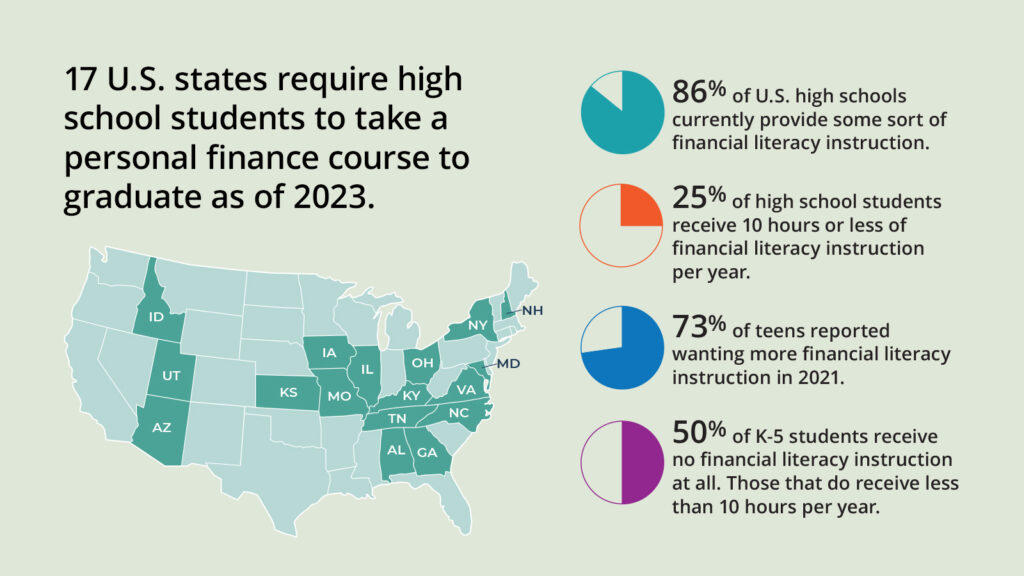
The Egyptian Minister of Investment highlighted the significance of incorporating financial literacy into school curricula, noting that this initiative will contribute to the development of new generations capable of understanding economic changes. The minister stated that financial education is a crucial tool for tackling the economic challenges facing society.
During press statements, the minister added that introducing financial literacy into education will enable students to acquire the necessary skills to manage their financial affairs more effectively. He pointed out that this will enhance individuals' ability to make informed financial decisions, which in turn contributes to improving the overall economic situation.
Event Details
The Minister of Investment's remarks came during a conference on financial education, where the importance of enhancing financial awareness among youth was discussed. The minister affirmed that integrating this culture into school curricula will help students understand how to handle money, invest, and plan financially.
He also explained that many countries around the world have started to incorporate financial literacy into their curricula, which has contributed to increasing financial awareness among new generations. He noted that Egypt is seeking to adopt this experience to improve the level of financial education in the country.
Background & Context
Financial literacy is a vital topic that contributes to enhancing economic awareness among individuals. With the increasing global economic challenges, it has become essential for youth to equip themselves with the financial knowledge necessary to confront these challenges.
In recent years, Egypt has witnessed growing efforts to promote financial education, with workshops and training courses organized for teachers and students. Initiatives aimed at spreading financial awareness among various segments of society have also been launched.
Impact & Consequences
Integrating financial literacy into school curricula could improve individuals' living standards, as it will enable them to make better financial decisions. This approach may also lead to an increase in local investments, contributing to economic growth.
Moreover, enhancing financial education could help reduce poverty rates, as individuals will be able to manage their financial resources more effectively. This, in turn, may contribute to building a more stable and prosperous society.
Regional Significance
Financial literacy is an important topic in many Arab countries, which are facing increasing economic challenges. Strengthening financial education in school curricula could have a positive impact on economic development in the region.
Additionally, incorporating financial literacy into education may foster cooperation among Arab countries in investment and trade, contributing to achieving sustainable development.
In conclusion, integrating financial literacy into school curricula is a significant step towards building generations capable of facing economic challenges. All stakeholders must work together to achieve this goal.