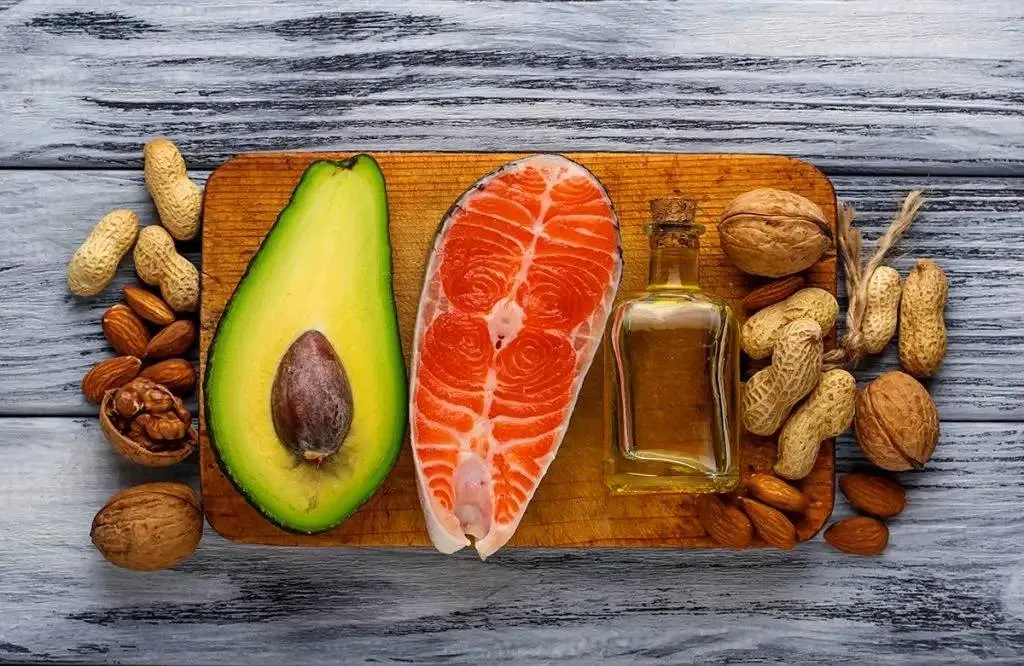
Healthy fats are an essential part of a balanced diet, playing a significant role in supporting brain function and enhancing heart health. These fats also contribute to improved vitamin absorption and a feeling of satiety.
Nutrition experts confirm that focusing on foods rich in unsaturated fats, such as monounsaturated and polyunsaturated fats, especially omega-3 fatty acids, can help reduce the risk of heart disease and improve cognitive performance. This is in contrast to saturated and trans fats, which should be minimized, according to Real Simple magazine.
Details of the Event
Dr. Caroline Williams, an American nutritionist, explains that fats play a crucial role in forming cell membranes, supporting nerve signaling, and maintaining skin and hair health. They also aid in hormone production and vitamin D, in addition to their role in bile formation necessary for digestion. She emphasizes that fats contribute to the feeling of fullness after meals, providing a sense of satiety.
Dr. Violeta Morris, another American nutritionist, points out that not all fats are created equal. Monounsaturated fats are considered among the best types of fats, found in extra virgin olive oil, avocado oil, and certain nuts like almonds and pistachios. Polyunsaturated fats, including omega-3 fatty acids, are available in fatty fish such as salmon and sardines, as well as in chia seeds, flaxseeds, and walnuts.
Background & Context
On the other hand, it is advisable to reduce saturated fats found in fatty red meats, butter, and full-fat dairy products, while avoiding trans fats commonly found in fried foods and industrial pastries due to their negative impact on heart health and overall well-being.
Although avocado is considered the most famous source of healthy fats, it is beneficial to diversify sources for greater benefits. Olive oil, rich in antioxidants, is a cornerstone of the Mediterranean diet. Dr. Toby Amidor recommends using these oils instead of butter or animal fats to reduce the risk of heart disease.
Impact & Consequences
Nuts are a rich source of healthy monounsaturated and polyunsaturated fats and contain plant compounds that help lower cholesterol, along with antioxidants and fiber. Nuts such as almonds, walnuts, pistachios, and peanut butter can be consumed as snacks, added to salads, pasta, and roasted vegetables, or used in healthy sauces.
Fatty fish, such as salmon, sardines, mackerel, and trout, are excellent sources of omega-3 fatty acids that support heart and brain health. Morris confirms that consuming fatty fish once or twice a week is safe and supports heart health while improving cholesterol levels.
Regional Significance
Full-fat yogurt, which contains some saturated fats, should not be overlooked. It is advisable to choose unsweetened or low-sugar yogurt and consume it as a snack, or with fruit and grains at breakfast, or in smoothies. Beef tallow is another type of fat used in traditional cooking, and despite its nutritional value, it is high in saturated fats that may raise cholesterol levels.
In conclusion, the focus on healthy nutrition is no longer limited to food choices alone but has extended to the quality of oils used in cooking. Avocado oil is a preferred choice due to its rich nutrient profile and multiple benefits, making it a healthy alternative that can be easily incorporated into the daily diet.