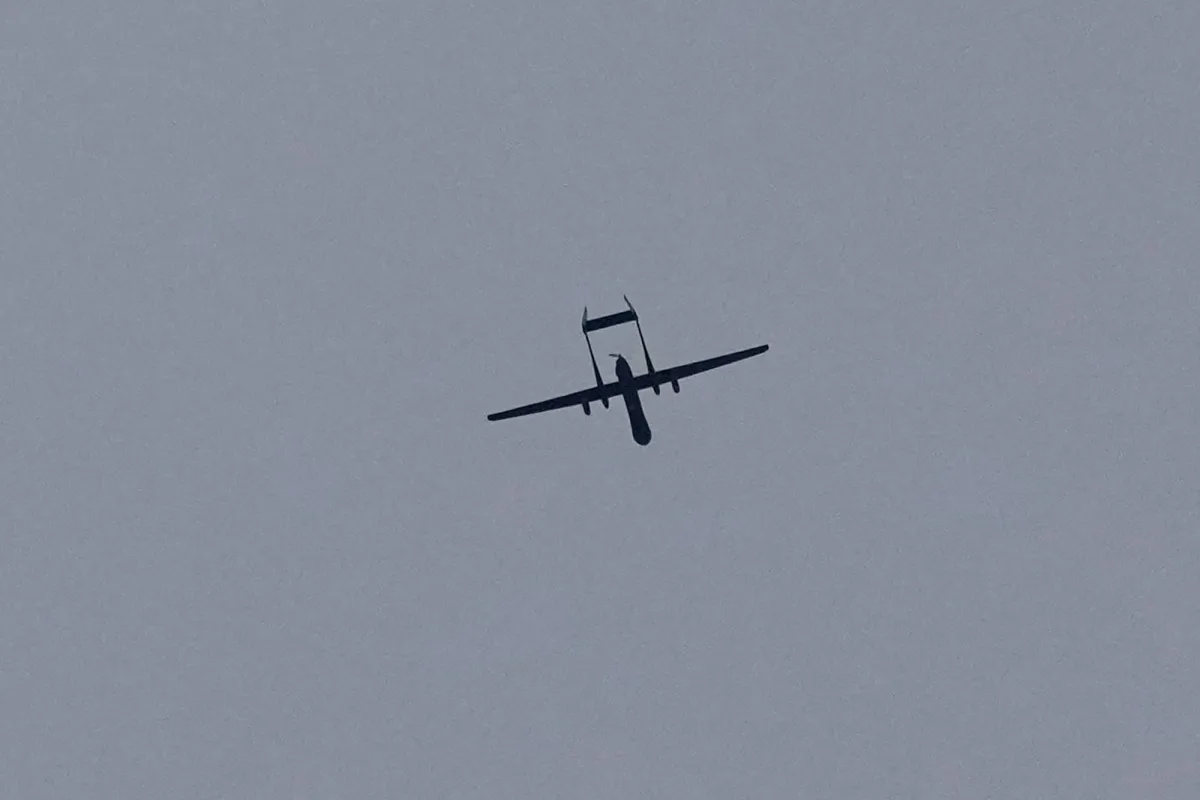
The Executive Director of the European Union Aviation Safety Agency, Florian Guillermet, has warned that armed conflicts, including the escalating war in the Middle East, are increasing risks threatening the aviation sector. He noted that the reduction of flight paths and the proliferation of unmanned aerial vehicles (UAVs) are deepening these risks.
The ongoing war in Iran has reshaped the airspace in the Middle East over the past month, leading to increased disruptions for flights. There has been a noticeable congestion in air routes between Asia and Europe, as they either pass through or fly over the region.
Details of the Situation
Additionally, the ongoing Russia-Ukraine conflict and fighting between Pakistan and Afghanistan have forced airlines to use a limited range of flight paths, particularly over Azerbaijan and Central Asia. Guillermet explained in statements to Reuters that the increasing concentration of traffic on certain routes, combined with the availability of airspace for air traffic control, could create safety-related risks.
This is the first statement from the European Aviation Safety Agency since the outbreak of war in the Middle East at the end of February last year. The aviation sector is one of the most affected, as the risks facing aircraft from missiles and UAVs are on the rise.
Background & Context
Guillermet has extensive experience managing the air traffic control system in France and emphasized that crews and air traffic controllers are trained to anticipate risks and mitigate their severity. However, closing airspace or reducing flights sometimes becomes unavoidable.
Guillermet added, "We have the necessary means in aviation to mitigate risks, including clearing the skies." Although this measure may disrupt passenger traffic, it remains the best way to keep air traffic density under control.
Impact & Consequences
The Aviation Safety Agency, which comprises 31 European countries, is preparing to conduct a comprehensive periodic review of its aviation strategy in light of the increasing risks facing one of the safest modes of transport. These risks include interference with the Global Positioning System (GPS), UAVs, and operational risks such as unstable approaches and runway incidents.
Last Friday, the agency renewed its warning to avoid airspace over Iran, Israel, and parts of the Gulf until April 10 of next year. Guillermet confirmed that the agency is working on formulating clearer guidelines regarding the authorities that can be used to address the increased activity of UAVs targeting civilian airports.
Regional Significance
The challenges facing European Union airports are increasing due to incidents involving UAVs, which security experts link to what is termed "multi-domain warfare," a combination of military force, cyberattacks, and other forms of intervention. Since Russia's invasion of Ukraine in 2022, UAVs have become a key weapon for both countries, leading to disruptions at airports from Stockholm to Munich.
This situation serves as a warning to Arab countries, as these risks could impact air traffic in the region, especially amid ongoing tensions in the Middle East. An effective response from aviation authorities in Arab countries is required to ensure the safety of flights.
In conclusion, the statements from the European Aviation Safety Agency highlight the importance of reviewing air safety strategies in light of changing circumstances. Concerned countries must take proactive steps to ensure aviation safety in turbulent skies.