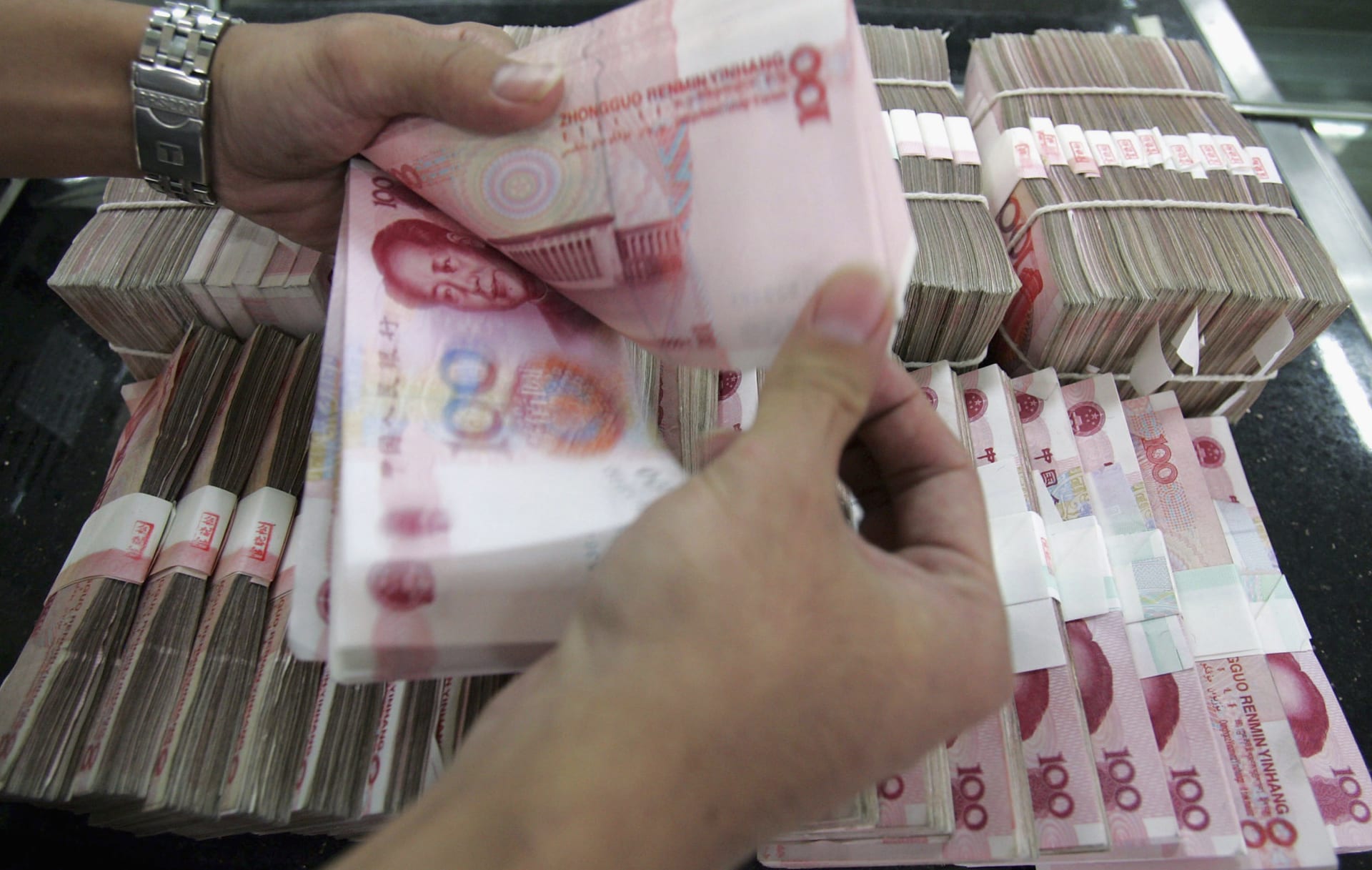
This month, China has experienced a substantial increase in the issuance of yuan-denominated bonds by foreign borrowers, showcasing the appeal of its local market, which is less affected by the ongoing conflict in Iran. This increase signals a notable shift in financing trends, as many foreign investors prefer to turn to the Chinese market rather than external markets.
According to reports, this trend comes at a time when global markets are facing significant volatility due to political and economic crises, making China a preferred destination for financing. This also reflects the strength of the Chinese economy and its ability to attract foreign investments even during times of crisis.
Details of the Event
Data shows that the issuance of yuan-denominated bonds has seen a remarkable increase, with the value of bonds issued this month surpassing figures recorded in previous months. This momentum in the local market reflects growing confidence among foreign investors in the Chinese economy, which is considered one of the largest economies in the world.
This increase coincides with rising tensions in the Middle East, particularly in Iran, where political conditions are affecting global financial markets. While many countries are suffering from the repercussions of these crises, it seems that China is benefiting from the current situation.
Background & Context
Historically, China has sought to enhance the role of the yuan as a global currency, with increasing efforts in this direction over recent years. With escalating tensions in the Middle East, it has become clear that China is looking to seize this opportunity to bolster its position in the global financial market.
Yuan-denominated bonds are one of the financial instruments through which China aims to attract foreign investments, offering competitive returns compared to other markets. Additionally, the stability of the local market compared to external markets enhances the attractiveness of these bonds.
Impact & Consequences
This increase in yuan-denominated bond issuance is an indicator of a strategic shift in global financing, potentially leading to greater reliance on the yuan in international transactions. This could contribute to strengthening China's position as a global economic power and increase its influence in financial markets.
Moreover, this trend could lead to an increase in foreign investments in China, further boosting economic growth and creating new job opportunities. These shifts may also impact the economic policies of other countries, as they might seek to strengthen their relations with China to attract investments.
Regional Significance
In light of the political and economic crises faced by many Arab countries, this trend may represent an opportunity to enhance economic relations with China. Arab nations can leverage these opportunities to attract Chinese investments, especially given the urgent need to develop infrastructure and improve local economies.
Furthermore, strengthening economic ties with China could contribute to achieving economic stability in the region, helping to address the challenges currently faced by Arab nations.
In conclusion, the increase in yuan-denominated bond issuance in China reflects a strategic shift in global financing, opening new horizons for investment and economic cooperation, particularly amidst current crises. This development may have far-reaching implications for the global economy, including the Arab region.