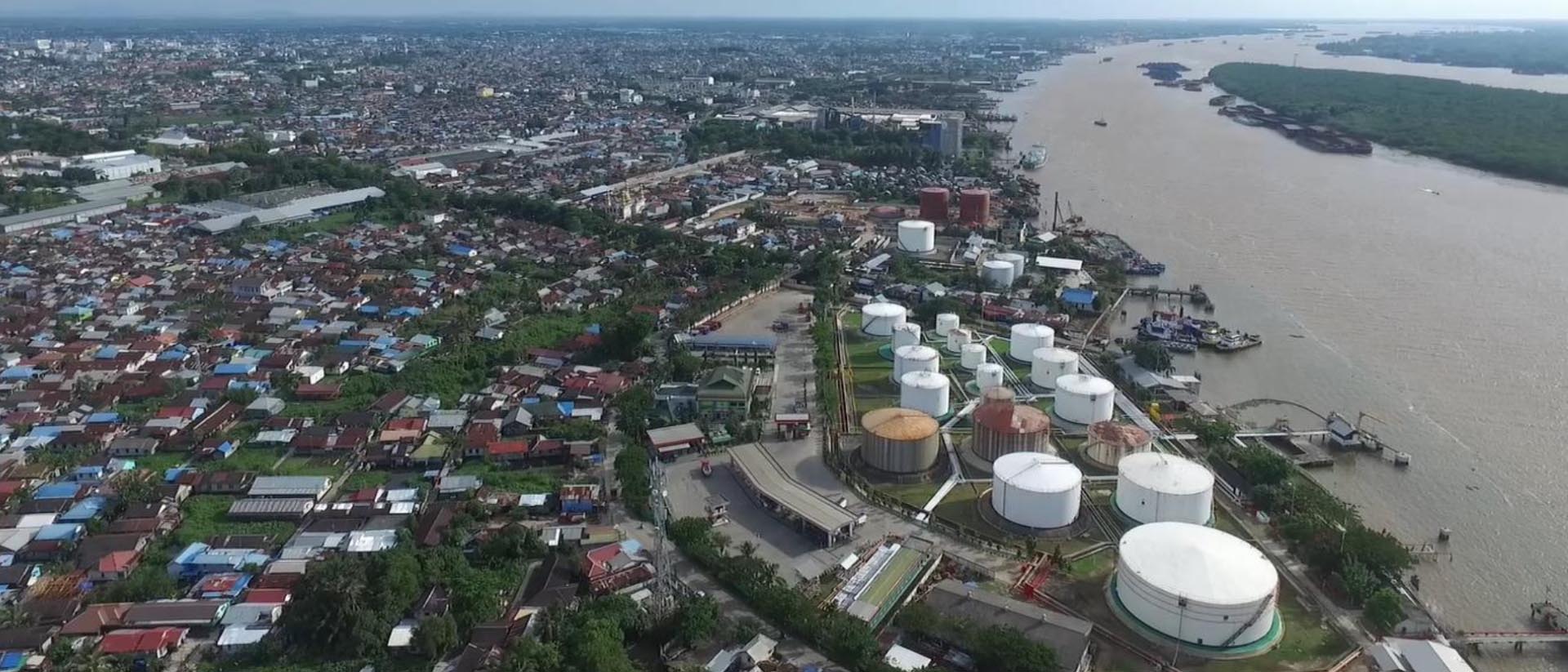
Fathul Nugroho, a member of Indonesia's oil and gas regulatory committee (BPH Migas), announced a plan to increase the capacity of the "Integrated Terminal" (IT) in Bangkalan, South Kalimantan, to 64,000 kiloliters. Nugroho explained that this step is part of efforts to enhance fuel reserves in the region, especially after the Ramadan and Eid al-Fitr period, during which new tanks with a capacity of 10,000 kiloliters are currently being added, raising the total capacity from 42,000 kiloliters to 52,000 kiloliters.
During a field visit to Bangkalan, Nugroho confirmed that the station plays a vital role as an energy distribution center in Kalimantan, supplying 11 provinces and cities in South Kalimantan and 4 regions in Central Kalimantan with fuel. He also highlighted the importance of enhancing storage capacity to meet the anticipated increase in fuel demand in the future.
Event Details
During the visit, the focus was on bolstering fuel stock at the Bangkalan station, as well as ensuring the availability of aviation fuel at the Air Fuel Terminal (AFT) at Syamsudin Noor Airport. Nugroho assured that the current fuel stock situation in the region is secure and reliable, thanks to infrastructure improvements.
Nugroho also visited a public fuel station (SPBU) in Bangkalan to ensure that the services provided to citizens were operating smoothly after the holiday period. He confirmed that fuel distribution was seamless without any queues, reflecting the success of efforts made to ensure fuel availability.
Background & Context
Indonesia is considered one of the largest fuel-consuming countries in Southeast Asia, with its economy heavily reliant on energy. In recent years, the country has witnessed a significant increase in fuel demand, prompting the government to take proactive measures to enhance storage and distribution capacity.
These steps align with the Indonesian government's vision to promote energy sustainability and ensure fuel availability for citizens, especially during peak times such as holidays and travel seasons.
Impact & Consequences
Increasing the capacity of the Bangkalan station will have a positive impact on the stability of fuel supplies in the region. This move is expected to help reduce supply gaps during peak periods, enhancing the government's ability to meet citizens' needs.
Moreover, enhancing storage capacity will help reduce reliance on imports, thereby strengthening the country's energy security and lowering costs associated with importing fuel.
Regional Significance
These steps in Indonesia serve as a model for Arab countries facing similar energy challenges. With rising fuel demand in many Arab nations, these strategies could be beneficial in enhancing energy security.
Furthermore, cooperation between Arab countries and Indonesia in energy sectors could facilitate the exchange of expertise and modern technologies, benefiting all parties involved.