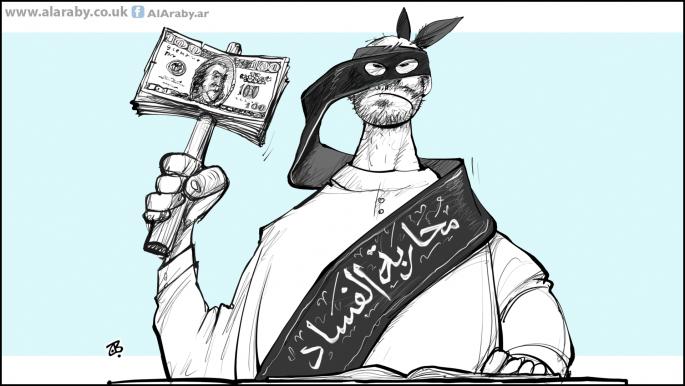
Despite the continuous efforts made by Tunisian President Kais Saied to combat corruption, the situation appears to be more complicated than anticipated. Reports indicate that corruption rates have not declined; rather, they have significantly increased, raising questions about the effectiveness of the implemented policies.
The anti-corruption campaign led by President Saied has been ongoing for over five years, during which he initially announced his government's commitment to fighting corruption and recovering embezzled funds. However, figures suggest that the number of corrupt individuals in Tunisia has risen, reflecting the significant challenges the government faces in achieving its objectives.
Details of the Situation
Reports indicate that corruption in Tunisia remains a major barrier to economic and social development. Recent studies have shown that corruption negatively impacts investment and hinders economic growth. Many citizens feel frustrated by the lack of tangible progress in this area.
These conditions coincide with a rise in popular protests demanding improvements in living conditions and a crackdown on corruption. Demonstrations have erupted in several Tunisian cities, expressing citizens' discontent with the rampant corruption and the government's inability to control it.
Background & Context
Historically, Tunisia has suffered from corruption issues for decades, a phenomenon linked to the previous regime characterized by corruption and nepotism. Following the Tunisian revolution in 2011, there were great hopes for comprehensive reforms, but corruption continued to impact political and economic life.
In recent years, the Tunisian government has attempted to take serious steps to combat corruption, including establishing oversight bodies and amending laws. However, these efforts have not been sufficient to change the complex reality faced by citizens.
Impact & Consequences
The rising rates of corruption in Tunisia have serious implications for political and social stability. As corruption persists, the gap between the government and citizens widens, leading to a loss of trust in institutions. Additionally, corruption obstructs development efforts and affects the quality of public services.
Economically, corruption deters investors from entering the Tunisian market, exacerbating the economic challenges facing the country. Under these circumstances, it may be difficult for the government to achieve its developmental goals.
Regional Significance
Tunisia's experience in combating corruption serves as a model for other Arab countries facing similar challenges. Poverty, unemployment, and corruption are common issues affecting the stability of Arab nations.
If Tunisia can make progress in fighting corruption, it may have a positive impact on other countries seeking reform. However, the persistence of corruption could worsen conditions in the region and increase instability.
The question remains as to how Tunisia can confront the challenges of corruption. While government efforts continue, the need for a radical change in political and social culture remains essential for achieving tangible results.