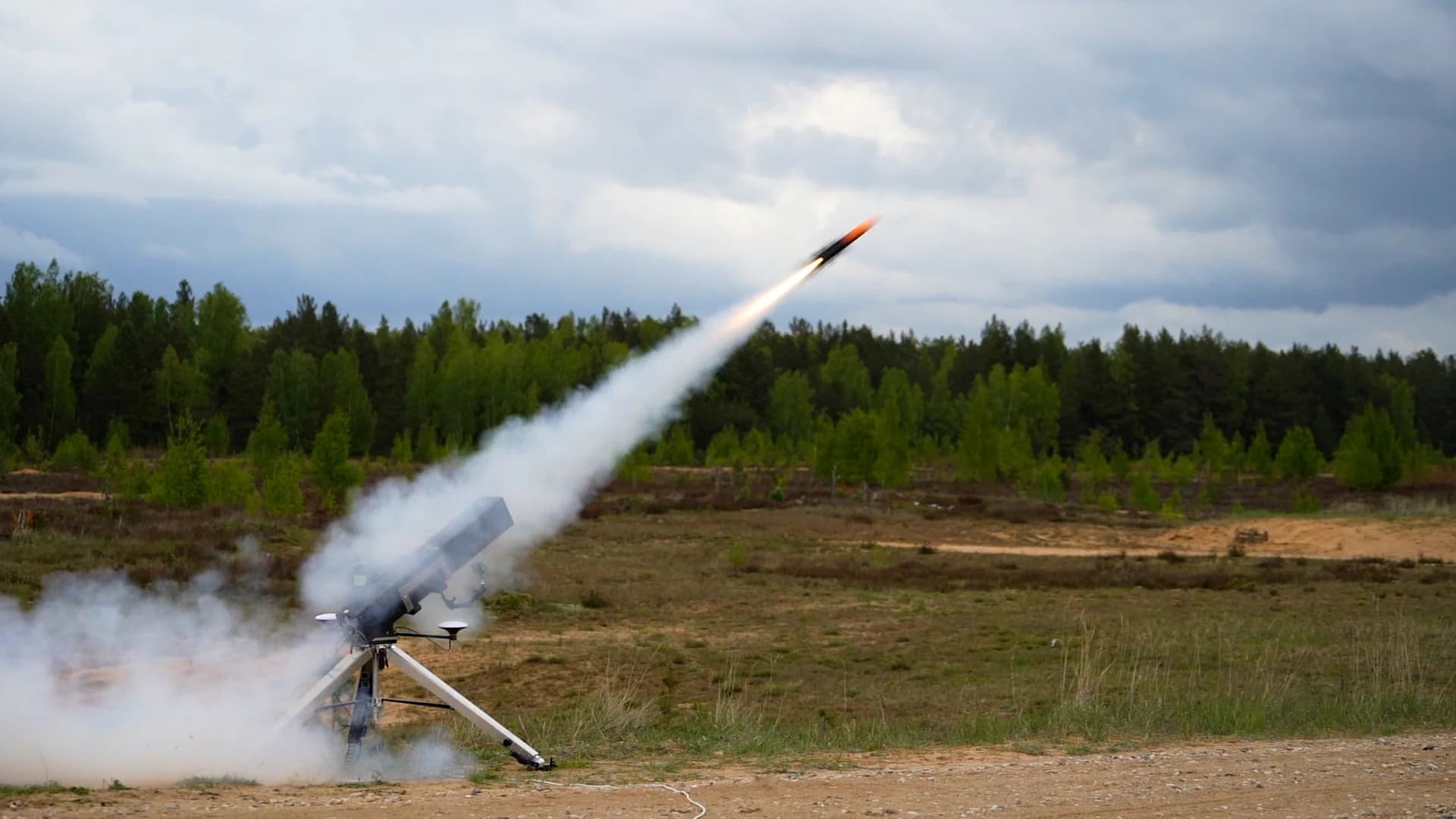
Defense technology companies in the United States and Europe have witnessed a significant rise in demand for their products and services as governments race to modernize their militaries in light of increasing tensions in the Middle East. This surge comes at a critical time, as investments in this sector, previously considered off-limits to investors, have risen sharply.
According to reports, investments in defense technology have increased from $869 million in 2020 to $11.2 billion by 2025. This shift reflects a radical change in how investors perceive this sector, now viewing it as a promising business opportunity.
Details of the Event
As the conflict in Iran escalates, defense technology companies in the U.S. and Europe are reporting increased demand for their products. Many companies have indicated that they received requests to ramp up production from the U.S. Department of Defense, especially following the strikes carried out by the U.S. and Israel against Iran at the end of February.
In Europe, several executives from defense technology firms have confirmed that they have begun commercial discussions with Middle Eastern governments since the onset of the conflict. One CEO noted that interest from Gulf countries has surged significantly, as these nations race to bolster their defenses against drone and missile attacks.
Background & Context
Geopolitical tensions worldwide, particularly the conflict in Ukraine, have accelerated the development of defense technology. The war in Ukraine has provided a new model for drone warfare, allowing defense technology companies to test their new technologies. Now, attention is shifting to the Middle East, where current conflicts are opening new horizons for these companies.
Since the beginning of the conflict, over 3,000 drones and missiles have been launched at the United Arab Emirates, Saudi Arabia, Bahrain, and Kuwait, increasing the demand for advanced defense technology in the region.
Impact & Consequences
Defense technology companies face significant challenges due to the lack of a steady flow of contracts from the U.S. government. This situation leaves companies divided over whether to increase production capacity to secure deals, potentially affecting profitability, or to wait, which could mean missing out on opportunities.
In Europe, where companies face greater financial constraints compared to their U.S. counterparts, they will need to make strategic decisions about how to allocate their resources. This may lead to a withdrawal of resources from European and American markets to meet potential demand in the Gulf.
Regional Significance
These developments are particularly significant for the Arab region, where Gulf countries are seeking to enhance their defense capabilities in the face of increasing threats. The rise in investments in defense technology may also mean new economic opportunities in the region, contributing to job creation and fostering innovation.
In conclusion, the defense technology sector appears to be undergoing a significant transformation, with rising demand amid geopolitical tensions. It will be crucial to monitor how these dynamics evolve and their impact on security and stability in the region.