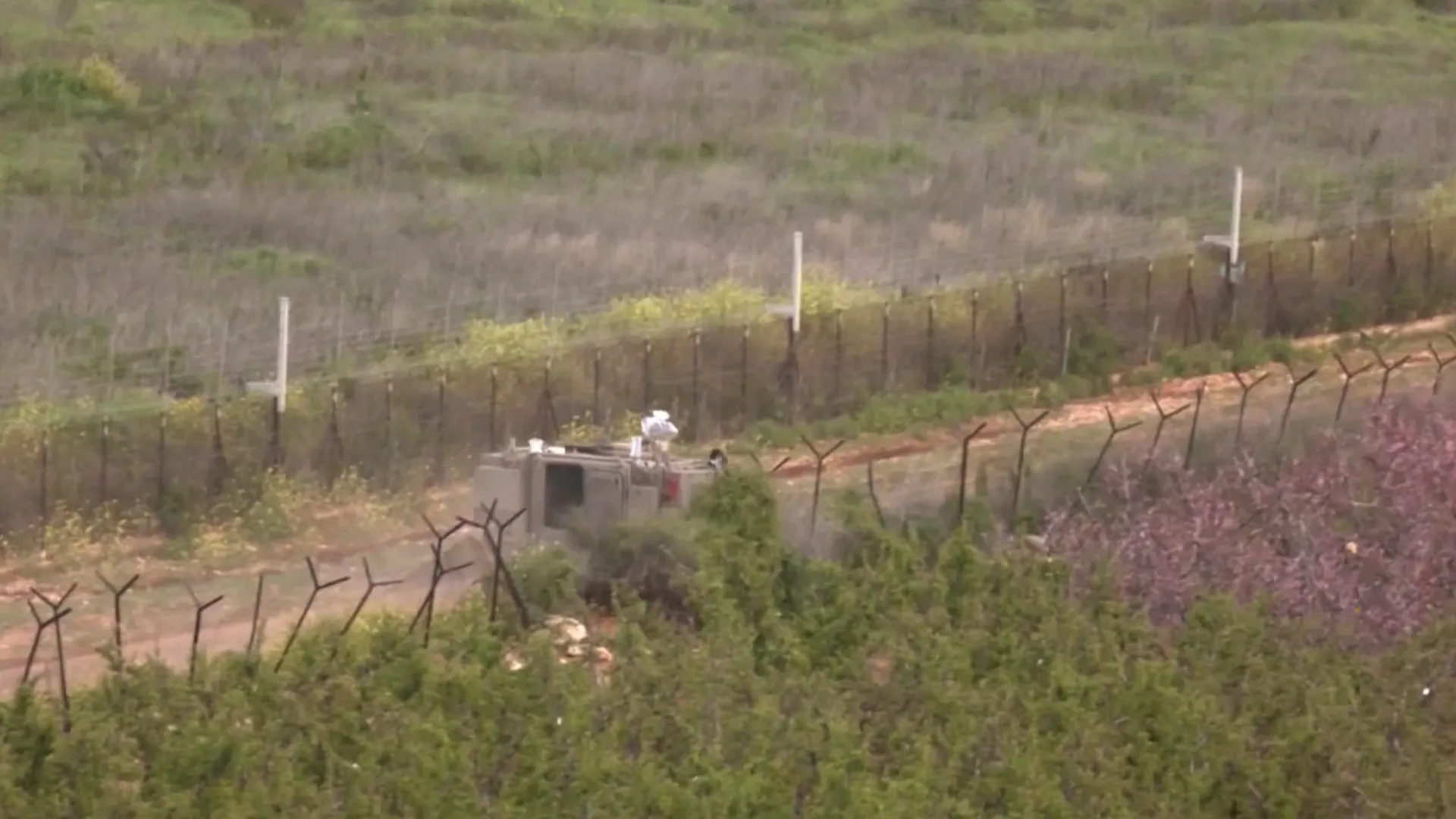
The number of displaced individuals in Lebanon is increasing at an unprecedented rate as military operations intensify in the region, putting immense pressure on cities and essential services. Displaced people are suffering from harsh humanitarian conditions, with collective shelters overcrowded by new arrivals, exacerbating living conditions.
Displaced families face significant challenges in accessing food, medicine, and basic services, while international funding covers only a limited portion of their actual needs. These conditions reflect a growing humanitarian crisis in Lebanon, where many are forced to leave their homes in search of safety.
Details of the Situation
Reports indicate that mass displacement has begun to accelerate since the onset of military operations, with many individuals fleeing conflict-affected areas to major cities such as Beirut and Sidon. These cities, already grappling with economic and social pressures, now face new challenges in accommodating large numbers of displaced individuals.
Statistics show a significant rise in the number of displaced persons, adding an extra burden on health, education, and infrastructure services. Additionally, shelters are suffering from a severe lack of resources, further increasing the suffering of displaced individuals living in inhumane conditions.
Background & Context
Lebanon, which has a long history of conflicts and crises, is currently facing a new humanitarian crisis related to displacement. Since the outbreak of conflict, the country has been hosting a large number of Syrian refugees, and now new displaced individuals are adding to the complexity of the situation. The Lebanese government is facing significant challenges in managing these crises, struggling with a lack of resources and funding.
Lebanon's history of dealing with humanitarian crises may influence how the government and the international community respond to the current crisis. However, the deteriorating economic situation in the country makes it difficult to provide the necessary assistance to the displaced.
Impact & Consequences
The displacement crisis is affecting social and economic stability in Lebanon, as pressures on public services increase. This situation is expected to exacerbate economic and social crises, potentially leading to heightened tensions between displaced individuals and local communities.
The psychological impact on the displaced may be profound, as many face the loss of their homes and loved ones, increasing their suffering. These conditions could lead to a rise in mental health issues, necessitating an urgent response from relevant authorities.
Regional Significance
The displacement crisis in Lebanon is part of a broader crisis in the Arab region, where many countries are experiencing conflicts and humanitarian crises. These crises affect regional stability and increase the challenges faced by neighboring countries in accommodating refugees and displaced individuals.
The economic and social repercussions of these crises could worsen conditions in neighboring countries, requiring greater international coordination to address these challenges. Additionally, the situation in Lebanon may impact relations between Arab countries, as the need for cooperation in humanitarian assistance grows.
In conclusion, the displacement crisis in Lebanon stands out as one of the major humanitarian challenges in the region, necessitating an urgent response from the international community to ensure the necessary support for the displaced and improve their humanitarian conditions.