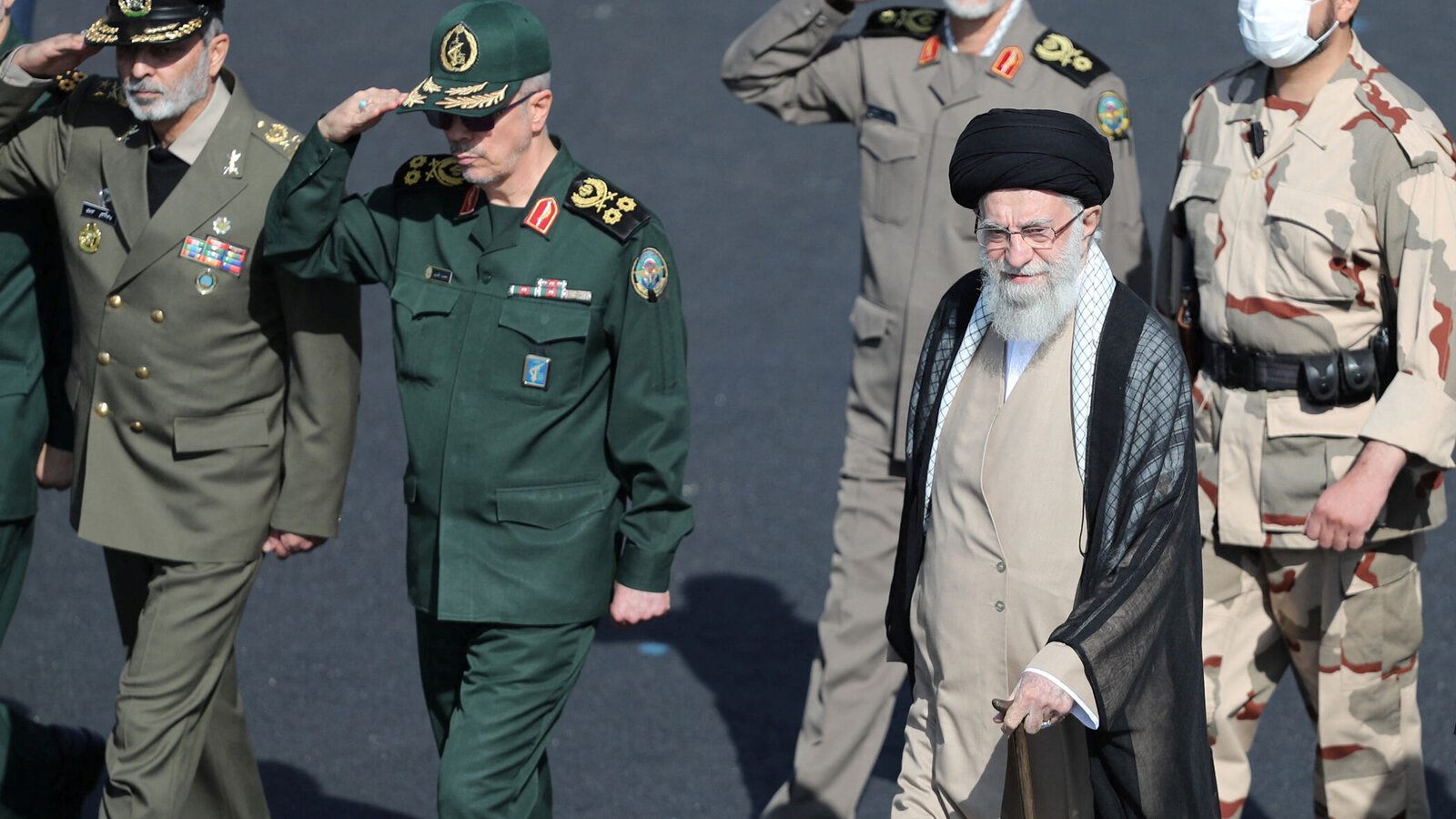
Iran is currently witnessing a rise in internal divisions within its leadership, as economic pressures grip the country. Under these circumstances, the Iranian regime faces new challenges related to political and social stability, raising questions about the future of leadership in Tehran.
Reports indicate that internal conflicts among various factions within the Iranian government have intensified, particularly with the mounting economic pressures stemming from Western sanctions. These divisions manifest in disagreements over how to handle economic and social crises, reflecting a lack of coordination among authorities.
Details of the Situation
In recent weeks, Iran has experienced widespread internet outages, which are considered a tool used by the government to control information and prevent protests. However, this disruption has increased public discontent, as citizens express their anger over deteriorating economic conditions.
Inflation and unemployment rates are rising, putting additional pressure on the government. Polls have shown that many Iranians feel frustrated with the government's inability to improve their living conditions, exacerbating divisions among political factions.
Background & Context
Historically, Iran has gone through periods of political and social turmoil, but the current situation is considered one of the most sensitive. Since the United States withdrew from the nuclear agreement in 2018, strict economic sanctions have been imposed on Iran, leading to a significant deterioration of the economy.
These economic pressures coincide with a rise in popular protests demanding better living conditions and human rights. These protests reflect widespread dissatisfaction with government policies and highlight the urgent need for genuine reforms.
Impact & Consequences
The internal divisions within the Iranian leadership affect the government's ability to make effective decisions in response to crises. If these divisions continue, they could exacerbate economic and social conditions, potentially threatening the stability of the regime.
Moreover, these circumstances could impact Iran's relations with other countries, especially amid rising tensions with the United States and its allies. Such pressures may lead to changes in Iranian foreign policy, which could affect regional security.
Regional Significance
Iran is a key player in the region, and any changes in its leadership or policy could affect neighboring countries. Increasing internal divisions may lead to heightened tensions in Iraq, Syria, and Lebanon, where Iran plays a significant role in supporting armed factions.
Additionally, the economic and social crises in Iran could lead to new waves of migration towards Arab countries, increasing the pressures on these nations to address humanitarian and social issues.
The current situation in Iran poses a significant challenge not only for the Iranian regime but also for the entire region. The rise of internal divisions and economic pressures could lead to radical changes in the Iranian political landscape, necessitating close monitoring by Arab nations and the international community.