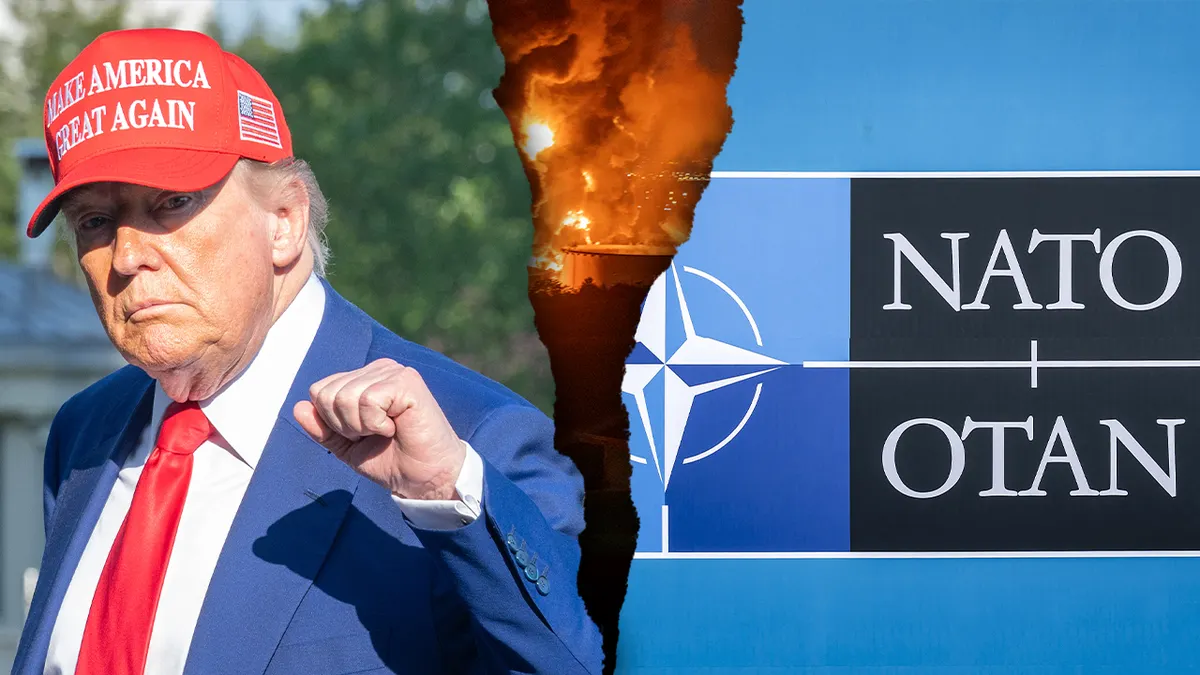
Doubts are increasing about the United States' ability to support its allies in the North Atlantic Treaty Organization (NATO), as statements from former President Donald Trump regarding a potential withdrawal from the alliance raise significant concerns among European nations. These remarks undermine confidence in Washington's commitment to the security of its allies, prompting some European countries to consider alternative options.
In recent years, Trump's repeated threats to withdraw from NATO have led many European nations to reassess their defense strategies. With rising geopolitical tensions worldwide, it has become essential for Europe to seek alternatives to bolster its security, especially in light of increasing challenges from Russia and China.
Event Details
Statements reflecting uncertainty about the United States' commitment to NATO continue to emerge. Trump has indicated on several occasions that European nations should bear more financial burdens in defense, raising concerns among allies about the seriousness of Washington's support. Under these circumstances, some European countries have begun contemplating new alliances that may involve military cooperation with nations outside of NATO.
These developments come at a sensitive time, as security threats in the region are escalating, making it crucial for European nations to be prepared to face any emerging challenges. Reports have shown that some countries, such as Germany and France, have started to enhance their military capabilities independently, reflecting their desire to reduce reliance on the United States.
Background & Context
NATO was established in 1949 as a military alliance aimed at countering Soviet threats during the Cold War. Following the collapse of the Soviet Union, the alliance continued to expand to include countries from Eastern Europe, complicating relations with Russia. However, new threats from Russia, especially after the annexation of Crimea in 2014, have refocused the alliance on the importance of defense cooperation among its members.
In recent years, relations between the United States and European nations have experienced increasing tensions, with Trump criticizing his allies for not meeting the financial targets set in defense budgets. These criticisms have affected trust among allies, prompting some countries to consider alternative options to enhance their security.
Impact & Consequences
If doubts about the United States' commitment to NATO persist, this may lead to significant changes in the European security landscape. European nations may move towards enhancing military cooperation among themselves, potentially leading to the formation of new alliances that could be more independent of the United States. This shift could alter the power dynamics in the region and increase tensions with Russia.
Furthermore, this situation could impact economic relations between the United States and Europe, as European nations may seek to strengthen their domestic defense industries, reducing reliance on American military equipment. This trend could lead to changes in global markets and affect American companies that depend on exporting arms to Europe.
Regional Significance
For the Arab region, the increasing doubts about the United States' commitment to NATO may influence regional security strategies. Some Arab nations, which rely on American support to face regional threats, may feel concerned about this trend. Additionally, any changes in relations between the United States and European countries could impact regional alliances and the balance of power in the area.
In conclusion, the growing doubts about U.S. support for NATO pose a significant challenge to both European and regional security. The current situation requires European nations to reassess their defense strategies, which could have substantial implications for international relations in the future.