Singapore authorities announced a significant increase in electricity and gas prices for households in the second quarter of 2026, driven by escalating energy costs due to the conflict in the Middle East. Electricity tariffs are expected to rise from April to June by 0.56 cents per kilowatt-hour compared to the previous quarter, reaching 27.27 cents per kilowatt-hour.
SP Group reported that the average monthly electricity bill for families living in four-room apartments will increase by 1.80 Singapore dollars (approximately 1.39 US dollars). The general electricity tariff, including rates for non-residential entities, is expected to rise by 2.0% or 0.52 cents per kilowatt-hour compared to the previous quarter.
Details of the Price Increase
City Energy indicated that the gas tariff for households will also see an increase, rising by 0.24 cents per kilowatt-hour, bringing the price to 21.92 cents per kilowatt-hour, compared to 21.68 cents in the previous quarter. The Singaporean economy heavily relies on imported energy, with approximately 95% of electricity generated using imported natural gas, which is the primary source for producing town gas, according to the Energy Market Authority (EMA).
The authority explained that the ongoing conflict in the Middle East has significantly impacted global fuel supply chains, leading to a notable increase in oil and natural gas prices. Fuel prices are expected to remain high in the near future.
Background & Context
Historically, energy prices have experienced significant fluctuations due to political and economic crises in various parts of the world, particularly in the Middle East. Armed conflicts, such as the current situation, directly affect energy production and distribution, resulting in price increases in global markets.
In recent years, Singapore has been striving to diversify its energy sources and reduce reliance on imported natural gas. However, the country still faces significant challenges in achieving this goal, especially under current conditions affecting global market stability.
Impact & Consequences
Authorities in Singapore anticipate further sharp increases in electricity and gas prices in the coming periods, as tariffs will be more affected by rising natural gas prices. Households and commercial consumers with electricity supply contracts may face price increases upon renewing their contracts.
The EMA confirms that it is closely monitoring the situation and working with the industry to ensure supply security. However, it cannot predict how long the conflict in the Middle East will last, meaning consumers should be prepared for higher and more volatile energy costs.
Regional Significance
These developments in Singapore signal the global impacts of conflicts in the Middle East, as rising energy prices affect economies worldwide, including Arab countries. Many Arab nations rely on oil and gas exports, so any price fluctuations could impact their economic stability.
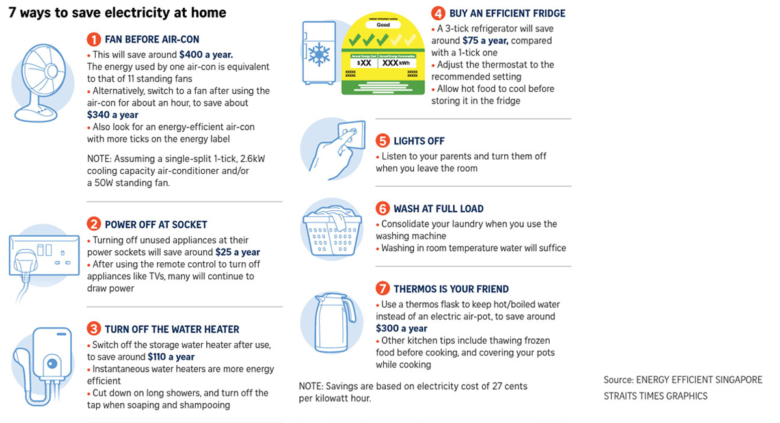
In conclusion, consumers in Singapore and other countries must be aware of changes in energy prices and take steps to reduce their energy consumption, which helps alleviate the financial burdens resulting from these increases.