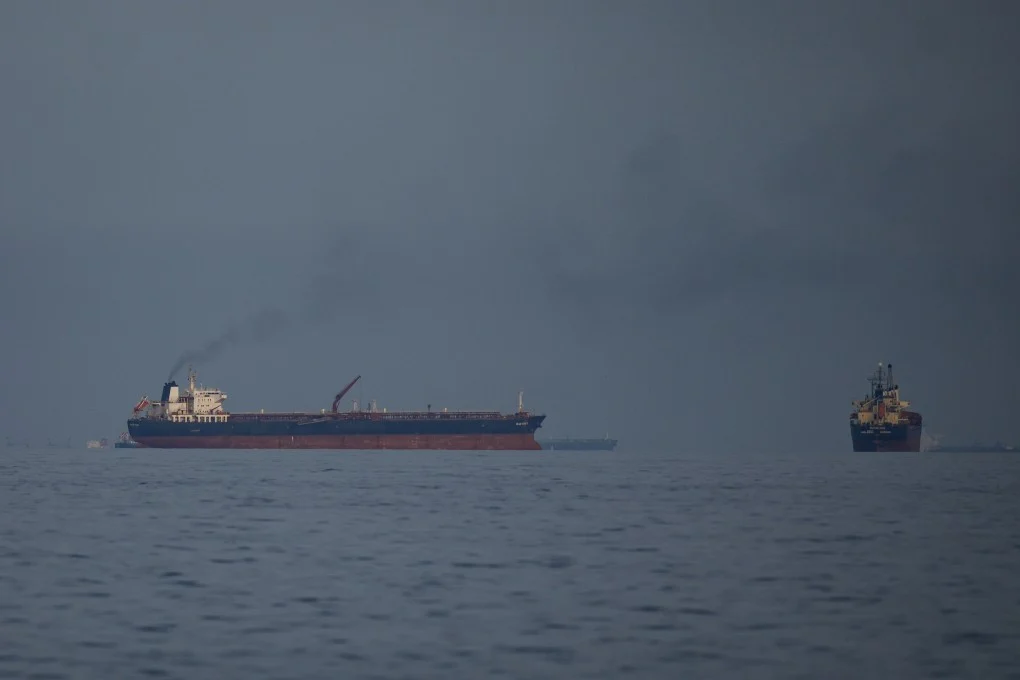
Environmental risks in the Strait of Hormuz are significantly increasing as the Iranian conflict continues, with environmental experts warning of a potential ecological disaster due to the seizure of oil tankers in the narrow area. The recent Iranian attack on a Kuwaiti tanker in Dubai, which resulted in the tanker catching fire, has raised concerns about an oil spill that could harm the marine ecosystem.
This warning comes at a time when the Strait of Hormuz, considered one of the most important waterways in the world, is under increasing pressure due to military tensions. Iran continues to target oil assets in the Gulf, heightening the risk of incidents that could lead to oil spills in the waters.
Details of the Incident
Last Monday, a Kuwaiti oil tanker was attacked by Iranian forces while docked in Dubai, resulting in the tanker catching fire and sustaining structural damage. This attack is part of a series of assaults targeting oil tankers in the region, raising concerns about maritime navigation safety.
Numerous oil tankers are present in the Strait of Hormuz, increasing the likelihood of catastrophic incidents. Experts have warned that any oil spill could have negative impacts on marine life and the surrounding environment, necessitating urgent action to protect the area.
Background & Context
The Strait of Hormuz is a vital transit point for oil transportation, with approximately 20% of the world's total oil passing through it. Historically, the strait has witnessed numerous tensions due to regional conflicts, particularly between Iran and Western nations. The escalation of conflict in recent years has increased risks to maritime navigation.
Concerns are growing that the continuation of the conflict could lead to further escalation, threatening regional stability and impacting global oil markets. Additionally, military tensions may lead to increased insurance costs for oil tankers, affecting oil prices in global markets.
Impact & Consequences
The environmental risks extend beyond the region, as any oil spill could affect neighboring countries and cause significant environmental damage. The economic impacts could also be substantial, as any disruption in maritime traffic could lead to rising oil prices, affecting the global economy.
Moreover, the continuation of the conflict could exacerbate humanitarian crises in the region, where some countries are suffering from shortages of essential resources. Therefore, the situation in the Strait of Hormuz requires urgent international attention to ensure maritime safety and protect the environment.
Regional Significance
The Arab countries neighboring the Strait of Hormuz, such as Kuwait and Saudi Arabia, are among the most affected by tensions in the region. Any escalation in the conflict could impact oil exports and increase political tensions. Arab nations need to enhance cooperation to protect their economic and environmental interests.
In conclusion, the increasing environmental risks in the Strait of Hormuz pose a significant challenge to the region and the world. The current situation requires urgent steps to ensure maritime safety and protect the environment, necessitating effective international cooperation.