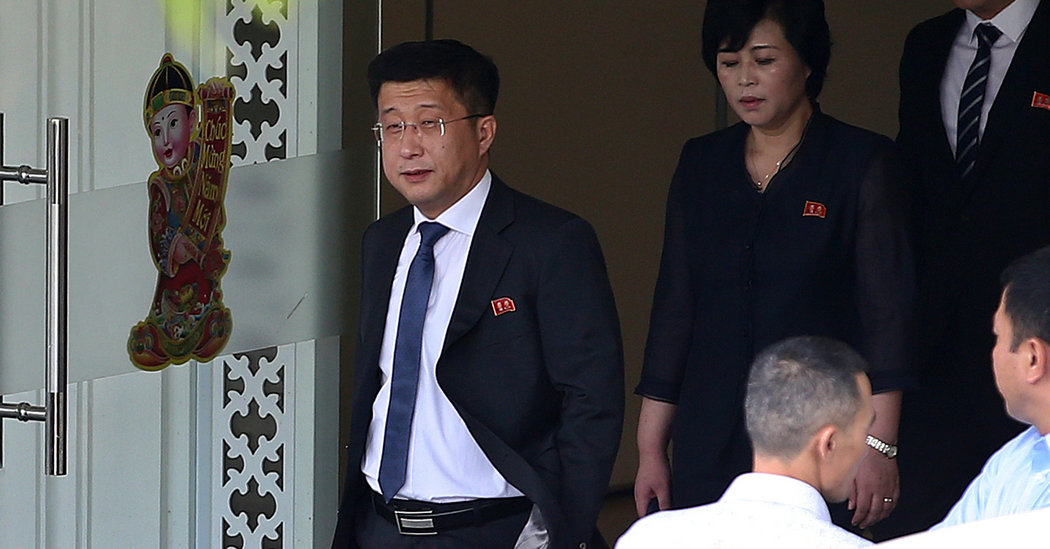
Recent reports indicate a significant rise in the execution rate in North Korea, which has increased by 117% since the onset of the COVID-19 pandemic. This surge reflects the intensifying political and social repression exercised by the government against dissenters and violators.
Data suggests that the North Korean regime has used the COVID-19 pandemic as a pretext to tighten its grip on power, leading to an increased implementation of death sentences. These figures raise concerns among international human rights organizations, which view these practices as violations of fundamental human rights.
Details of the Event
According to human rights organizations, numerous death sentences have been carried out for politically motivated crimes, including criticizing the government or attempting to escape the country. These actions come at a time when the country is suffering from economic and health crises due to the pandemic.
Reports have also shown that the regime executed several government officials for failing to manage the health crisis, reflecting an intolerance for any form of failure or criticism.
Background & Context
Historically, North Korea has been known for its human rights violations, with executions being part of the regime's policy of repression. With the outbreak of the COVID-19 pandemic, these violations have significantly increased, as the regime has exploited the situation to reinforce its authority.
North Korea is considered one of the most isolated countries in the world, imposing strict censorship on information and preventing any form of opposition. This context makes it challenging to assess the true state of human rights in the country.
Impact & Consequences
This increase in executions underscores the repressive nature of the North Korean regime, which may exacerbate humanitarian crises within the country. Additionally, these practices could negatively affect North Korea's international relations, as pressure from the global community mounts to halt human rights violations.
Such violations are expected to continue unless effective international measures are taken to pressure the regime. This situation raises concerns among neighboring countries, which fear the implications of these policies on regional stability.
Regional Significance
Despite the geographical distance, events in North Korea attract the attention of Arab nations, especially amid the political and economic crises faced by some of these countries. These violations could serve as a lesson for nations experiencing internal conflicts, highlighting the importance of respecting human rights.
Moreover, these events may influence how Arab countries address human rights issues, necessitating a reevaluation of domestic and foreign policies regarding these matters.