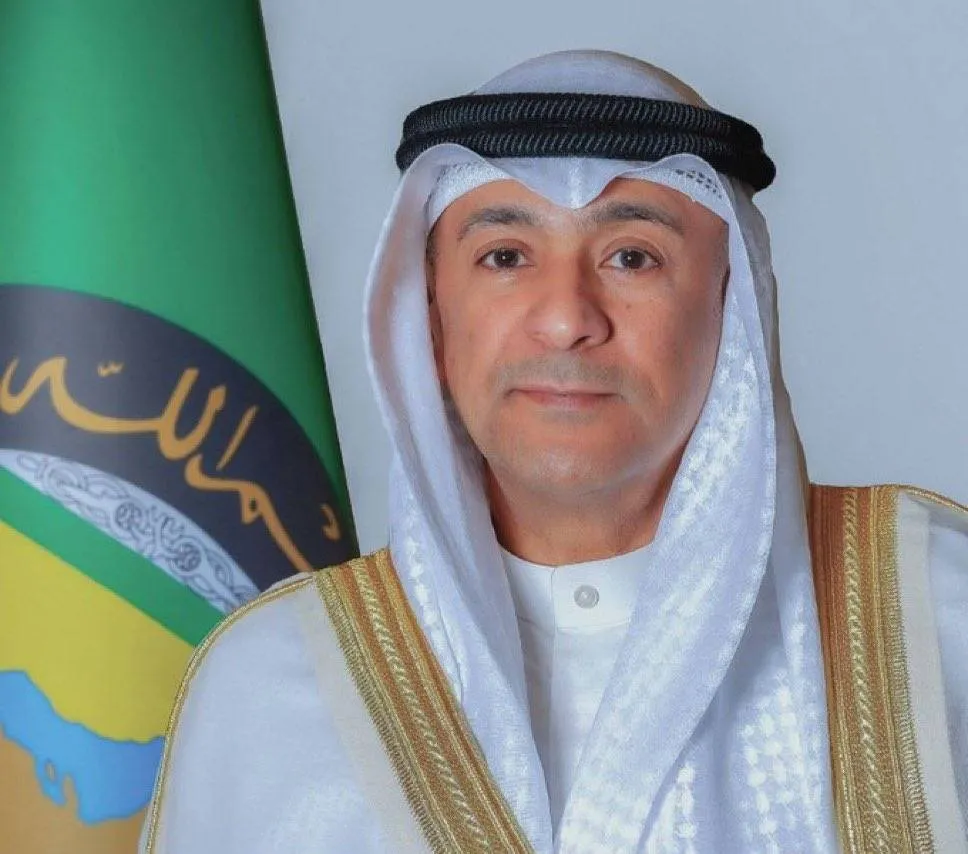
The Gulf consultative summit took place in Jeddah on Tuesday to discuss the current regional situation, particularly the increasing escalation in the area and the blatant Iranian attacks on the GCC countries and Jordan. The summit, chaired by Saudi Crown Prince Mohammed bin Salman, was part of efforts to enhance security and stability in the region.
In a statement, Jassim Al-Budaiwi, Secretary-General of the Gulf Cooperation Council, confirmed that the leaders discussed ways to establish a diplomatic path to end the crisis and address the concerns of Gulf states. Al-Budaiwi praised the call for the summit, highlighting the Kingdom's commitment to strengthening solidarity among the council's member states.
Event Details
During the summit, the leaders expressed their strong condemnation of the Iranian attacks targeting civilian facilities and infrastructure in the Gulf countries and Jordan, emphasizing that these actions violate the sovereignty of nations and international law. Al-Budaiwi stated that these assaults have led to a loss of trust between the Gulf states and Iran, necessitating serious efforts from Tehran to rebuild this trust.
The leaders also affirmed the right of Gulf states to defend themselves, either individually or collectively, in accordance with Article 51 of the United Nations Charter. They noted that any attack on any member state is considered an attack on all member states, reflecting complete solidarity among the council's nations.
Background & Context
This summit comes amid rising regional tensions, with Iranian attacks on Gulf states increasing, prompting leaders to seek diplomatic solutions. The Gulf armed forces have shown courage in countering these assaults, successfully intercepting over 95% of missile and drone attacks.
The summit also addressed the importance of enhancing cooperation in transportation and logistics services, emphasizing the need to expedite the implementation of the Gulf railway project and electrical interconnection projects among the council's countries.
Impact & Consequences
This summit is a significant step towards strengthening the collective security of Gulf states, as member countries strive to develop integrated strategies to address crises. Gulf nations have demonstrated exceptional capability in protecting their sovereignty, highlighting the importance of cooperation among member states in facing common challenges.
Furthermore, the summit reflects Saudi Arabia's commitment to enhancing joint Gulf action and developing defense and security systems, contributing to stability in the region.
Regional Significance
The summit underscores the importance of Gulf unity in confronting regional challenges, thereby contributing to enhanced security and stability in the area. The success of the summit in achieving its objectives could open new avenues for cooperation between Gulf states and other Arab countries.
In conclusion, the Gulf consultative summit in Jeddah marks a pivotal moment in the history of Gulf cooperation, as member states seek to enhance security and stability and fulfill their peoples' aspirations for development and prosperity.