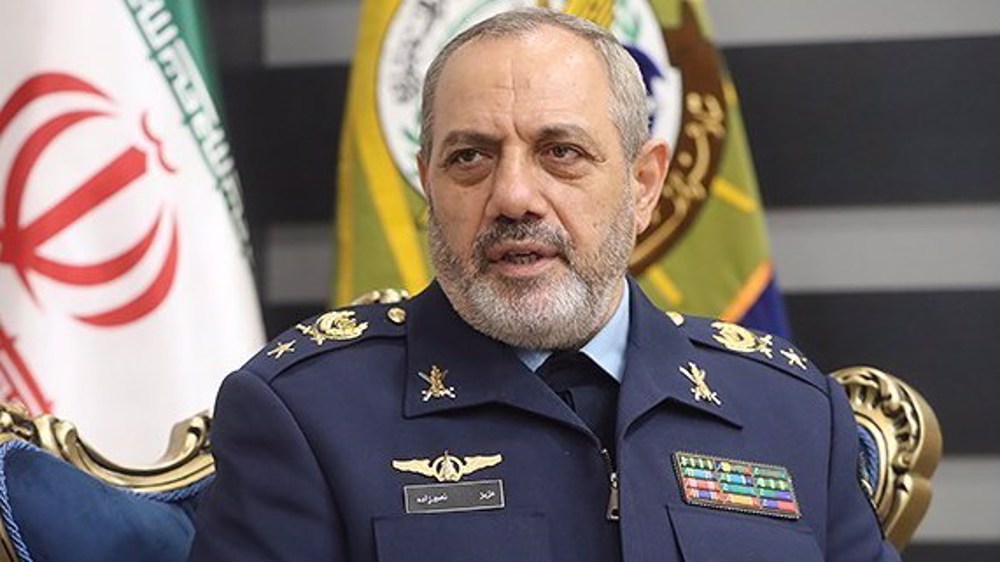
The ongoing conflict between the United States and Iran has drawn significant attention, raising questions about whether the war is nearing its end or if it will see a resurgence. These inquiries come at a sensitive time, as the political and military interests of both parties intertwine in the Middle East.
In recent weeks, relations between Washington and Tehran have escalated notably, marked by exchanges of accusations and threats. The United States, aiming to bolster its military presence in the region, faces increasing challenges from Iran, which continues to develop its nuclear program and expand its influence in Iraq and Syria.
Details of the Situation
Events in the region are unfolding rapidly, with the United States announcing an increase in its forces in the Arabian Gulf, provoking strong reactions from Tehran. In response, Iran has asserted that it will retaliate against any aggression, heightening tensions further. This dynamic places the region on the brink of a new conflict that could have far-reaching consequences.
Despite these tensions, there are signs of potential dialogue between the two sides. Some European countries have expressed a willingness to mediate to ease the conflict, opening the door for new negotiation opportunities. However, the question remains: will these efforts succeed in achieving peace, or will conflicting interests lead to a new escalation?
Background & Context
The conflict between the United States and Iran dates back decades, with relations deteriorating significantly since the Islamic Revolution in 1979. Since then, the United States has taken several steps against Iran, including imposing strict economic sanctions that have severely impacted the Iranian economy.
In recent years, concerns over Iran's nuclear program have escalated, prompting the United States to withdraw from the nuclear agreement in 2018. This withdrawal led to heightened tensions, as Iran resumed its nuclear activities, increasing international anxiety.
Impact & Consequences
The repercussions of the conflict between Washington and Tehran extend beyond the two nations, affecting security and stability across the entire Middle East. Any escalation in the dispute could destabilize neighboring countries, such as Iraq and Syria, and impact global trade routes through the Strait of Hormuz.
The conflict may also influence global oil prices, as Iran is one of the largest oil producers in the region. Any threats to close the Strait of Hormuz, through which approximately 20% of the world's oil passes, could lead to significant price increases.
Regional Significance
Arab countries are directly affected by the rising tensions between Washington and Tehran, as these nations play a pivotal role in achieving regional balance. Countries like Saudi Arabia and the UAE fear the increasing Iranian influence in the region, prompting them to strengthen their alliances with the United States.
At the same time, some Arab nations are striving to balance their relationships with both Iran and the United States, reflecting the complexity of the regional situation. Any escalation in the conflict could have negative repercussions on security and stability in these countries, highlighting the necessity for dialogue and negotiation to resolve disputes.
In conclusion, the conflict between Washington and Tehran remains a complex issue that requires diligent international efforts to achieve peace and stability in the region. Current tensions suggest that war may not be far off, but hope for dialogue still persists.