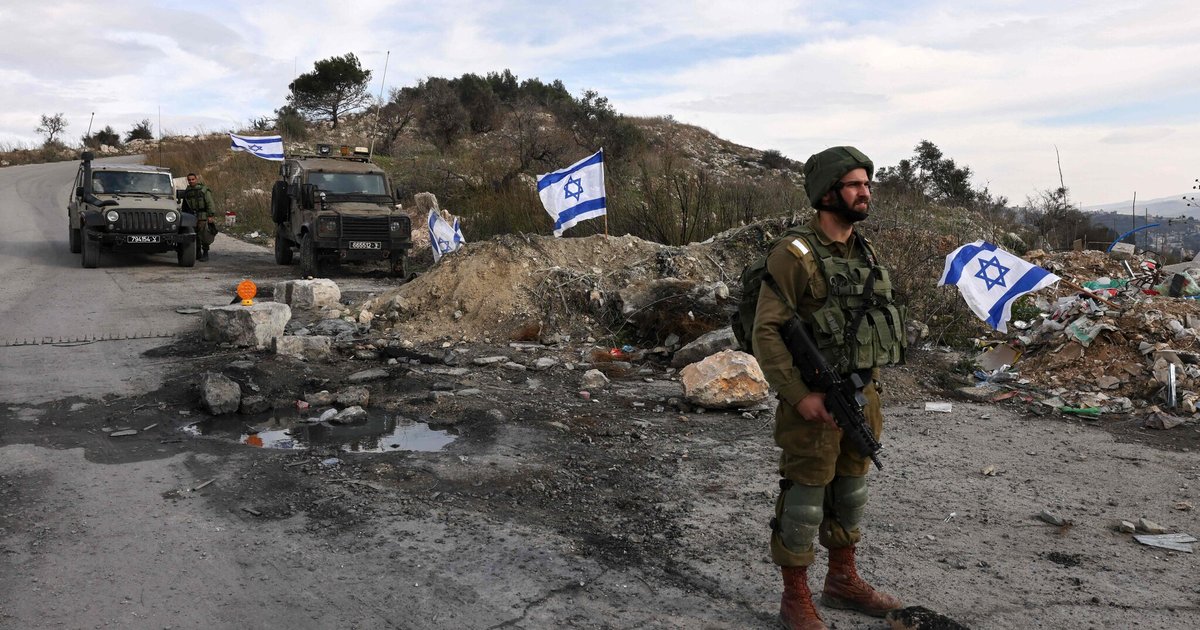
Recent reports indicate that the number of Israeli settlers in the West Bank has reached approximately 800,000, reflecting a surge in settlement activities in the occupied territories. Additionally, 400 illegal outposts have been identified, further complicating the situation and impacting the lives of Palestinians.
This data emerges at a time of increasing international concern over the ongoing settlement policies pursued by the Israeli government. With each new outpost, the available land for Palestinians shrinks, exacerbating humanitarian and social crises.
Details of the Situation
Statistics show that Israeli settlements in the West Bank have significantly doubled in recent years, as the Israeli government continues to support these activities. Experts point out that this policy contradicts international laws, which deem settlement in occupied territories illegal.
The settlements are distributed across various regions, creating a complex geographical reality that affects the feasibility of establishing an independent Palestinian state. These settlements are viewed as a major obstacle to peace efforts in the region.
Background & Context
Historically, the settlement policy in the West Bank began after the 1967 war, when Israel established settlements in the territories it occupied. This policy has sparked widespread controversy at the international level, with many viewing it as a violation of Palestinian rights.
Over the years, the West Bank has witnessed a rise in settlement activities, leading to heightened tensions between Palestinians and Israelis. Several international efforts have attempted to mediate the conflict, but so far, they have been unsuccessful.
Impact & Consequences
Settlement activities directly affect the lives of Palestinians, as restrictions on their movement and mobility increase. These activities also lead to the fragmentation of Palestinian communities and heightened tensions in the region.
Moreover, the continuation of settlements may exacerbate humanitarian crises, as Palestinians face difficulties accessing essential resources such as water and agricultural land. These policies also foster feelings of frustration and despair among Palestinians.
Regional Significance
The Israeli settlement in the West Bank represents a sensitive issue affecting relations between Arab countries and Israel. Many Arab nations consider these activities a violation of Palestinian rights and demand their cessation as a prerequisite for any peace process.
Furthermore, the escalation of settlements may impact regional stability, potentially leading to an intensification of the conflict and increasing tensions in the area. Therefore, the international community is called upon to take responsibility regarding this issue and work towards peaceful solutions.
In conclusion, the situation in the West Bank remains complex, with challenges mounting for Palestinians amid ongoing settlements. The need for genuine international efforts to achieve peace is more urgent than ever.