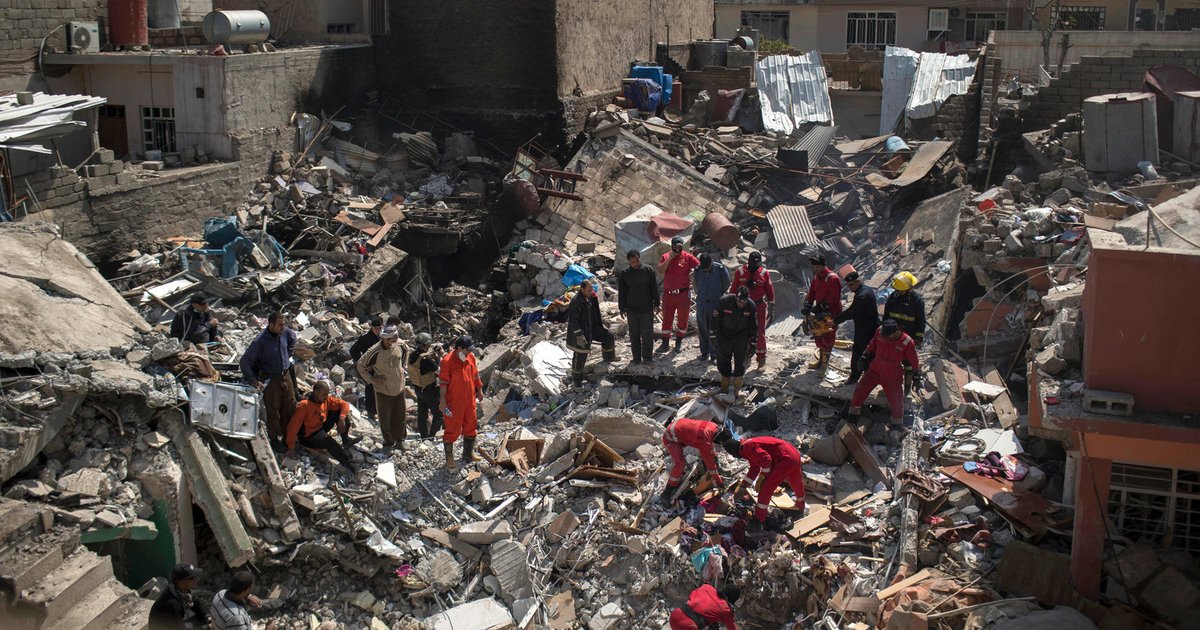
The United States is encountering increasing challenges in its foreign policy, as reports indicate a rise in American casualties in military conflicts. These losses, whether human or material, are causing growing concern among decision-makers in Washington and raising questions about the effectiveness of the strategies being employed.
In recent years, the U.S. has seen an increase in the number of soldiers who have lost their lives in conflict zones such as Afghanistan, Iraq, and Syria. This situation reflects the significant challenges faced by American forces amid the complex conditions surrounding these areas.
Details of the Situation
According to reports, American losses in Iraq and Syria have risen markedly, with statistics indicating that the number of soldiers killed in these conflicts has exceeded expected figures. Additionally, the financial losses resulting from these interventions are estimated in the billions of dollars, prompting questions about the viability of these investments.
Moreover, these losses are impacting American public opinion, as citizens have begun to express their dissatisfaction with the ongoing military interventions abroad. This discontent could reflect in the upcoming election results, increasing pressure on the U.S. government to reassess its strategies.
Background & Context
Historically, the United States has adopted military intervention as a means to achieve its strategic goals. Since the events of September 11, the U.S. has increased its military presence in conflict areas, leading to a rise in casualties. However, this policy has faced widespread criticism from experts and analysts who argue that military interventions have not yielded the desired outcomes.
In recent years, the U.S. has begun to reassess its strategies, focusing on diplomacy as a means to resolve conflicts. Nevertheless, the ongoing losses may hinder these efforts and complicate the political landscape.
Impact & Consequences
American losses significantly influence foreign policy, potentially prompting the government to make more cautious decisions in the future. These losses may also lead to changes in international alliances, as other countries might seek to reduce their reliance on the U.S. regarding security issues.
Furthermore, human and material losses could increase internal tensions within the United States, as citizens demand greater transparency and accountability from the government regarding military interventions.
Regional Significance
The American losses in conflicts are affecting the situation in the Arab region, potentially leading to changes in regional dynamics. Arab countries that rely on American support for their security issues may find themselves in a difficult position if losses continue to rise.
Additionally, these losses may bolster the position of armed groups seeking to resist the American presence in the region, further complicating security situations.
In conclusion, American losses in global conflicts remain a sensitive topic that requires in-depth study. Decision-makers in Washington must consider the potential consequences of their military strategies and strive for more effective diplomatic solutions.