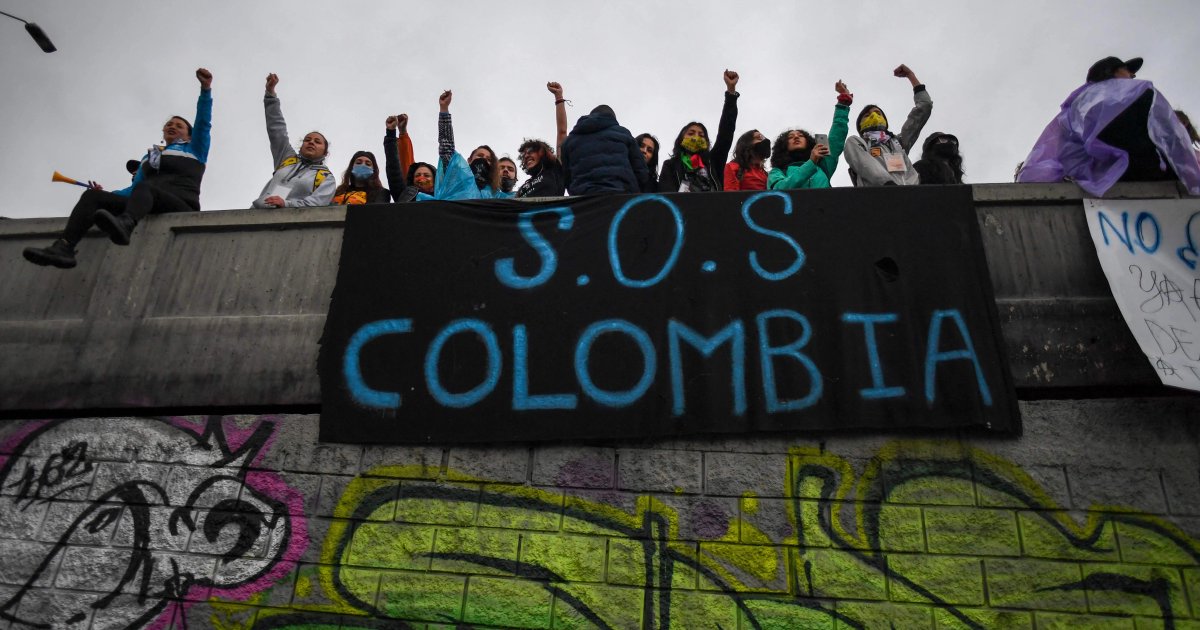
Violent attacks are notably increasing in Colombia as the presidential election date approaches, raising significant concerns about the country's security. These attacks, which include assassinations and bombings, come at a critical time when candidates are striving to enhance their campaigns and win voter confidence.
According to reports, several regions in Colombia have witnessed a rise in violence, resulting in the deaths of both civilians and military personnel. These incidents place the government in a precarious position, as it must confront security challenges amid growing electoral pressures.
Details of the Recent Attacks
The recent attacks have specifically targeted political candidates, heightening tensions across the nation. Several cases of assassinations involving prominent political figures have been recorded, raising concerns about the feasibility of conducting free and fair elections. The Colombian government has confirmed that it is working to bolster security measures to protect candidates and citizens.
In related observations, some analysts have pointed out that these attacks may be linked to internal conflicts among armed groups aiming to influence the election outcomes. There are also fears that these circumstances could lead to widespread chaos in the country.
Background & Context
Historically, Colombia has suffered from prolonged armed conflicts, with armed groups such as the Revolutionary Armed Forces of Colombia (FARC) and other militias playing a significant role in destabilizing the nation. Despite signing a peace agreement with FARC in 2016, the country continues to face substantial challenges in achieving security and stability.
The upcoming presidential elections are a true test for the current government, as citizens seek radical changes in the political and economic systems. However, the escalation of violence may hinder this process and negatively impact public participation in the elections.
Impact & Consequences
These attacks could lead to a decline in trust in the democratic process in Colombia, adversely affecting voter turnout. The increase in violence may also push some voters to decide against participating, threatening the legitimacy of the election results.
Moreover, the rise in violence could impact both foreign and domestic investments, as companies may hesitate to inject funds into an unstable environment. This situation could exacerbate the already significant economic challenges facing the country.
Regional Significance
Colombia is a strategically important country in Latin America, and its events could influence international relations. For Arab nations, stability in Colombia may affect trade and investments, especially given the growing ties between Arab countries and Latin America.
Ultimately, the international community must closely monitor the situation in Colombia, as stability in this nation can contribute to enhancing regional security and influence relationships among countries.