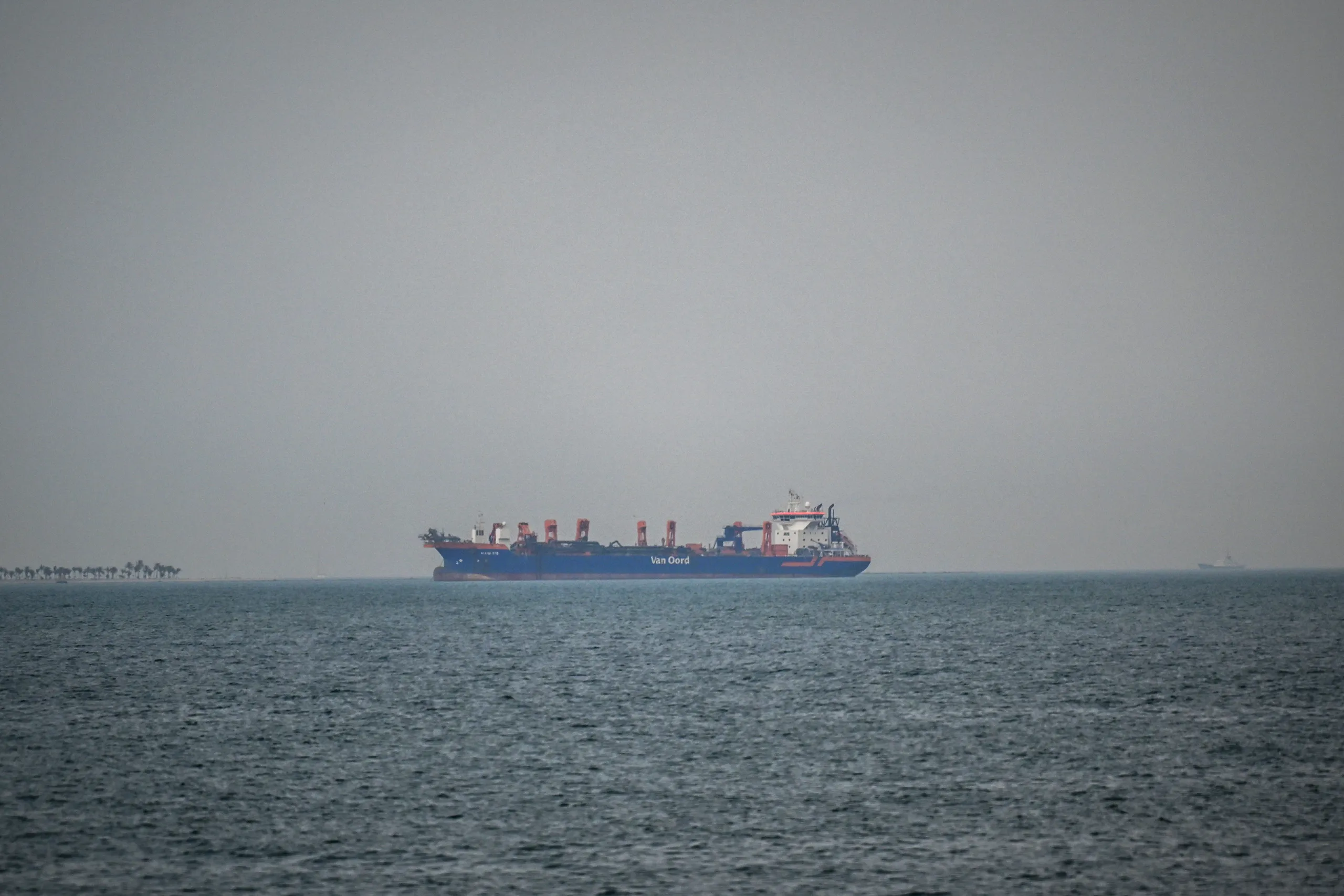
Cases of crew abandonment in the Strait of Hormuz are increasing, as sailors endure harsh conditions due to the ongoing conflict in the region. This crisis highlights the failure of the global shipping system, which does not guarantee crew rights, leaving them stranded with no hope of returning to their home countries.
Reports are rising about sailors stuck on ships due to escalating conflict in the area, facing increasing danger from repeated attacks on vessels. Under these circumstances, many sailors find themselves in a complicated legal position, with no single entity responsible for their rights.
Details of the Situation
Since the beginning of the conflict in the region, approximately 1,900 commercial ships have been reported stranded in the Strait of Hormuz, reflecting the impact of conflicts on global trade movement. For instance, sailors like PK Vijay have been stuck on an abandoned ship for over 14 months without receiving any wages.
Concerns are growing among crews due to the lack of response from ship owners, leaving them trapped in dangerous conditions. According to reports, 18 incidents related to attacks on ships in the region were recorded as of last March, heightening anxiety among sailors.
Background & Context
Historically, the Strait of Hormuz is considered one of the most important maritime passages in the world, through which approximately 20% of the world's oil passes. With rising tensions between Iran and Western countries, this strait has become a theater for multiple conflicts, affecting the movement of commercial vessels.
Maritime laws vary between countries, complicating the determination of responsibilities. Under normal circumstances, these complexities can facilitate trade movement, but in times of crisis, these systems become a barrier to sailors' rights.
Impact & Consequences
The risks to sailors are increasing, as they face not only the threat of attacks but also psychological pressure due to isolation and uncertainty. Many sailors suffer from ongoing anxiety about their future, as they do not know when they will be able to return home.
Reports indicate that the number of abandonment cases is continuously rising, with 409 cases of ship abandonment recorded in 2025, reflecting the worsening crisis. Indian sailors constitute the largest group affected, followed by groups from the Philippines and Syria.
Regional Significance
This crisis directly affects Arab countries, as the Arabian Gulf region is a vital hub for global trade. The current situation requires a response from Arab governments to ensure the protection of sailors' rights and provide the necessary support.
The current crisis necessitates international cooperation to resolve the issues faced by stranded sailors, as concerned countries must work to establish mechanisms to protect their rights and ensure their safety.
The current situation in the Strait of Hormuz highlights the challenges facing the global shipping system, and the international community must take urgent steps to protect sailors' rights and ensure their safety amid ongoing conflicts.