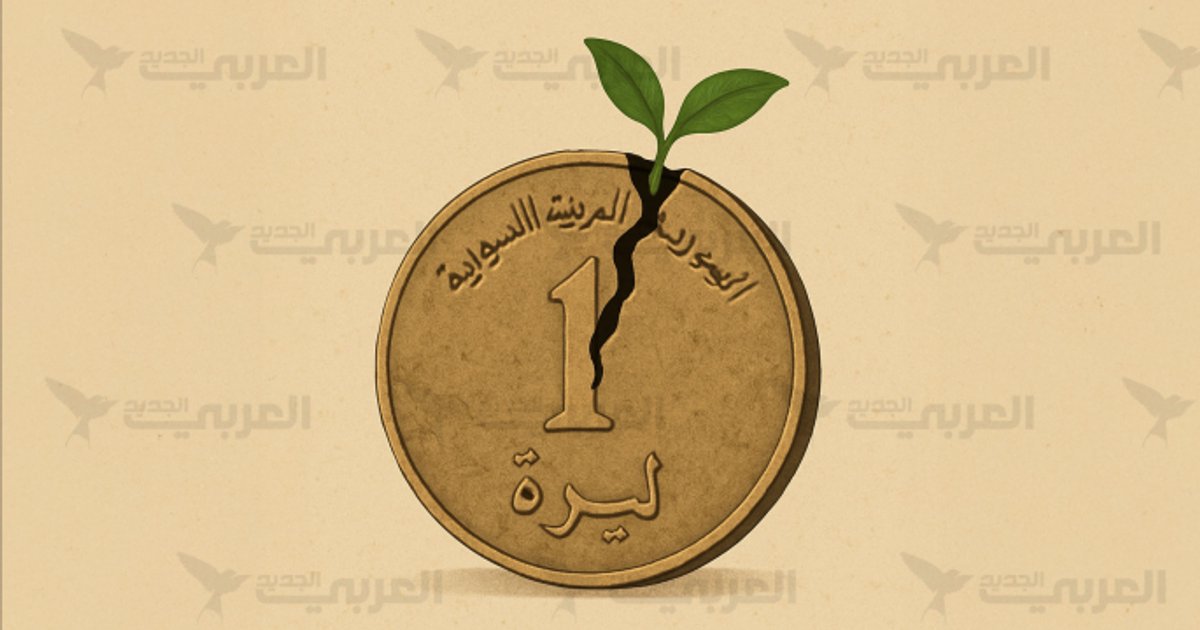
Feelings of despair are increasing in the Syrian streets as a result of the slow economic recovery, with voices echoing the large promises that have yet to be fulfilled. Citizens are suffering from the repercussions of successive crises, heightening their frustration and leading them to question their economic future.
Under the current circumstances, Syrians are facing escalating economic challenges, including rising prices and a shortage of basic resources. These conditions have driven many to express their dissatisfaction with government performance, as they believe that the promises made in the past have not translated into tangible reality.
Details of the Economic Situation
Reports indicate that the Syrian government has announced several economic plans aimed at improving the economic situation; however, these plans have not yet achieved the desired results. Citizens are struggling to secure their daily needs, which further intensifies feelings of frustration.
Despite some positive indicators, such as an increase in certain investments, these efforts still fall short of meeting citizens' needs. Many economic experts have expressed concern that the continuation of the current situation could exacerbate social and economic crises.
Background & Context
Syria has been significantly affected by multiple crises since 2011, with ongoing conflicts leading to the destruction of infrastructure and a decline in economic activity. In recent years, the Syrian government has attempted to implement economic reforms, but it has faced major challenges due to international sanctions and rampant corruption.
Historically, Syria relied on specific sectors such as agriculture and industry, but the conflict has severely diminished these sectors. Additionally, humanitarian crises, such as displacement and refugee issues, have contributed to the worsening economic situation.
Impact & Consequences
Concerns are growing that the continuation of the current economic situation may lead to worsening social crises, as the number of families suffering from poverty increases. High unemployment is affecting the youth, raising the likelihood of the emergence of negative social phenomena such as delinquency and crime.
The current conditions require an urgent response from the government and the international community, as there must be joint efforts to improve the living conditions of citizens. Failure to address these challenges could exacerbate humanitarian crises and increase despair among the populace.
Regional Significance
The economic conditions in Syria serve as an indicator of the challenges faced by many Arab countries, necessitating international attention. The situation in Syria is not just a national issue but has implications for regional stability and security.
In conclusion, addressing the economic despair in Syria is crucial not only for the well-being of its citizens but also for the broader regional dynamics. The international community's involvement is essential to foster sustainable development and restore hope among the Syrian people.