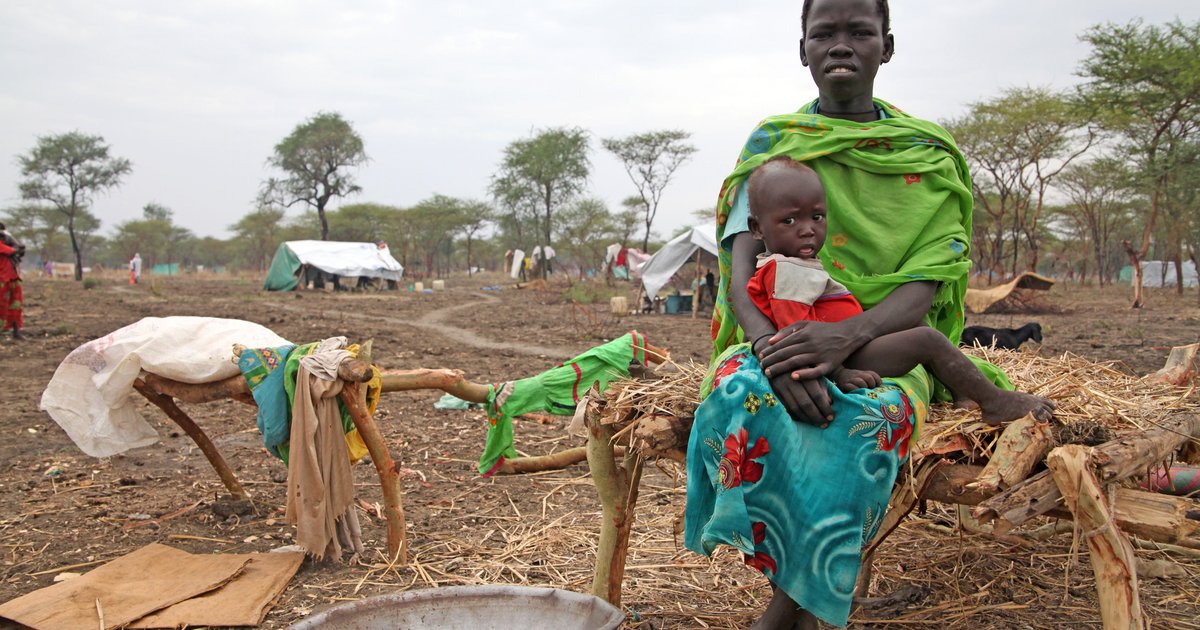
Thousands of displaced families in the Blue Nile region are living in difficult humanitarian conditions, with the number of displaced persons from the Kermak and Qaisan provinces rising to over 20,000 people as fighting continues between the Sudanese army, the Rapid Support Forces, and the Sudan People's Liberation Movement-North led by Abdel Aziz al-Hilu. This situation comes as the war approaches its fourth year with no solutions in sight.
The International Organization for Migration announced in a statement the displacement of 329 families from the city of Qaisan, noting that the deteriorating security situation is the main reason for this displacement. According to reports from civil organizations and volunteers, the displaced are spread across the cities of Damazin, Rosaires, and Wad Mahdi, where they are suffering from a severe shortage of basic needs.
Details of the Event
On March 24, the Rapid Support Forces announced their control over the city of Kermak, which is strategically important near the border with Ethiopia, following fierce battles with the Sudanese army. The governor of Kermak, Abdel Ati Mohamed al-Faki, accused Ethiopia of direct involvement in the attack, describing it as a blatant invasion of Sudanese territory.
The first wave of displacement from Kermak began in early March, with around 1,500 people fleeing after the militia attack. As the city was stormed, the number rose to 3,000 displaced individuals, leading to a significant humanitarian crisis in the region.
Background & Context
The history of conflict in the Blue Nile region spans many years, with multiple clashes between government forces and armed groups. As the intensity of the conflict has escalated, the number of displaced persons has noticeably increased, exacerbating the humanitarian situation.
The current conditions in the Blue Nile are part of a larger crisis facing Sudan, where humanitarian challenges are growing amid ongoing conflict and political instability. Human rights organizations have warned of worsening health and humanitarian conditions among the displaced, especially with the absence of medical services and the spread of diseases.
Impact & Consequences
The deteriorating humanitarian conditions in the Blue Nile require urgent intervention from local and international humanitarian organizations. The Sudan Doctors Network has emphasized the need for food and medical assistance, warning that the absence of support could lead to an imminent humanitarian disaster.
Local authorities face significant challenges in providing basic needs for the displaced, many of whom suffer from severe shortages of food, water, and medicine. Yousri al-Shazly from the Kermak Emergency Room noted that the "Karama 3" camp has received 1,863 families, further straining available resources.
Regional Significance
The situation in the Blue Nile serves as an indicator of the increasing humanitarian crises in the region, reflecting the ongoing conflicts in Sudan and the urgent need for immediate humanitarian response. The worsening conditions in Sudan could also impact the stability of neighboring countries, necessitating greater international attention.
In conclusion, the situation in the Blue Nile region requires a concerted effort from both international and local entities to provide necessary support to the displaced and ensure that humanitarian aid reaches those affected, while also protecting civilians from ongoing violations.