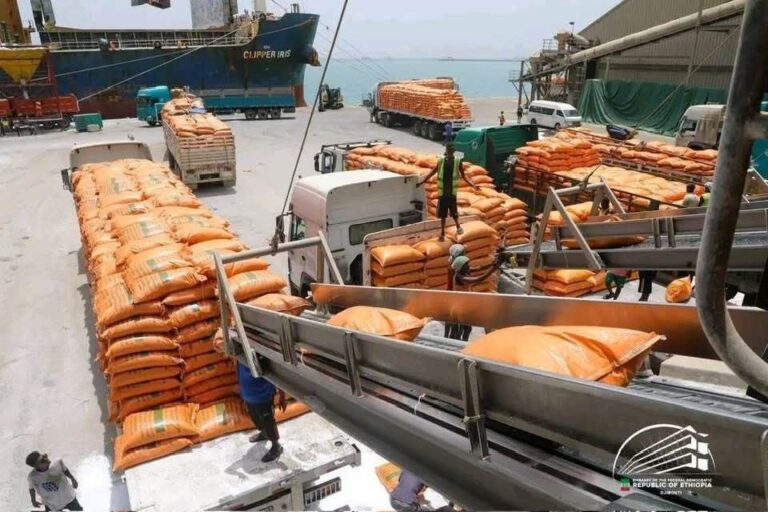
Indonesian Railways (KAI) has achieved a significant milestone in fertilizer transportation, having moved 1,950 tons of fertilizers from January to March 2026. This accomplishment is part of the company's ongoing efforts to enhance the distribution system of strategic goods in the country, contributing to improved logistical efficiency.
In 2025, the total fertilizer transport via railways reached 21,060 tons, indicating a notable increase in transport capacity. The total freight transported by KAI in the first quarter of 2026 amounted to 14,948,442 tons, reflecting the growing scale of logistical operations.
Event Details
KAI's Vice President of Corporate Communications, Anne Borba, stated that fertilizer transport exemplifies the success of the railway system in managing transport operations efficiently. She emphasized that the company focuses on maintaining precise transport schedules, which contributes to enhancing the logistics system's capacity.
The railway system is characterized by its high transport capacity, with each train capable of carrying up to 4,200 tons, supported by 60 cars. Currently, each car has a capacity of approximately 50 tons, with plans to increase this capacity to 70 tons in the future.
Background & Context
The railway system is a vital transportation mode in Indonesia, significantly improving the efficiency of goods distribution. Currently, logistics costs in Indonesia remain high, ranging between 15% and 20% of the Gross Domestic Product (GDP), while the global average is between 7% and 8%.
Approximately 60% of logistics activities in Indonesia are concentrated on the island of Java, with an estimated value of 2,400 - 2,500 trillion rupiah annually. Enhancing goods distribution in this region has a significant impact on economic movement.
Impact & Consequences
Improving the railway transport system directly affects the agriculture sector and food security. When fertilizers are transported on time, farmers can plant crops promptly, leading to improved crop quality and increased productivity.
These operations contribute to stabilizing food supplies within the community, enhancing food security and reducing price volatility. Additionally, the regular distribution of fertilizers empowers farmers to plan their agricultural operations more effectively.
Regional Significance
Indonesia's experience in improving its railway transport system serves as a model that Arab countries can benefit from. Many Arab nations face challenges in logistics and transportation, impacting food security and economic development.
Arab countries can draw inspiration from this model to enhance their logistics systems, contributing to better distribution of essential goods such as fertilizers and food supplies.
In conclusion, improving the railway transport system in Indonesia is a crucial step towards enhancing logistical efficiency, reflecting the importance of good planning in achieving food security and economic development.