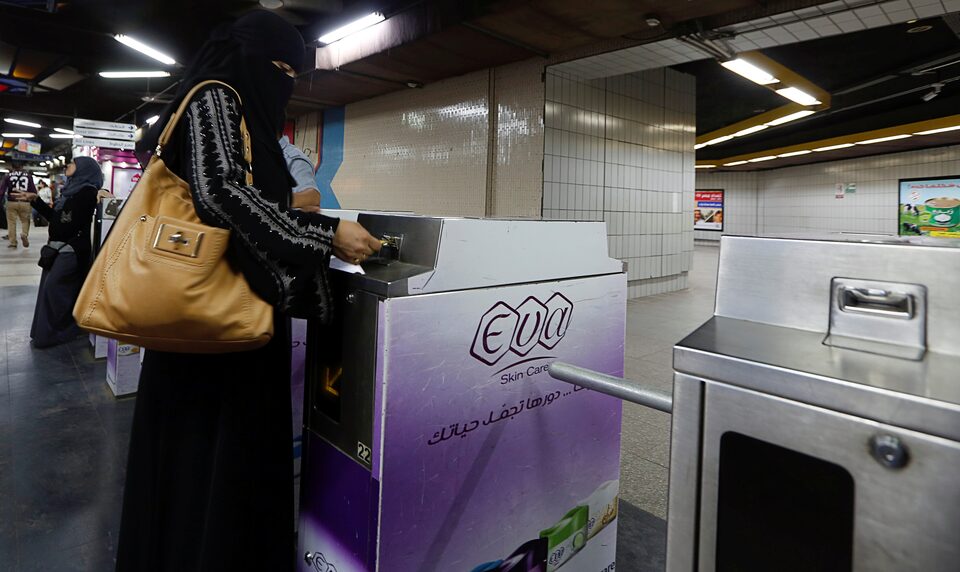
The Egyptian government announced a new increase in metro ticket prices, raising concerns among citizens and negatively impacting the budgets of vulnerable groups. This increase comes at a time when the country is facing escalating economic crises, as citizens encounter significant challenges in managing their daily expenses.
The new increase in ticket prices ranges from 5 to 10 Egyptian pounds, which is considered an additional burden on low-income families. Several citizens expressed their dissatisfaction with this increase, emphasizing that it will exacerbate their daily struggles amid the difficult economic conditions the country is experiencing.
Details of the Price Increase
This increase in metro ticket prices follows a period of consecutive hikes in the prices of essential goods and services, raising questions about the government's ability to manage economic crises. Some experts indicated that this increase may lead to a decline in the use of public transportation, which could increase traffic congestion on the streets.
Furthermore, this move may affect the local economy, as many private sector workers rely on public transportation to reach their workplaces. Numerous business owners have expressed concern about the impact of this increase on their productivity.
Background & Context
Historically, metro ticket prices in Egypt have seen several increases, the most recent of which occurred in 2019, when prices were raised significantly. That increase sparked strong reactions from citizens, who felt that the government was not taking into account the difficult economic conditions they were facing.
It is worth noting that the Egyptian government faces significant economic challenges, including rising inflation and unemployment rates. These conditions have led to a decline in citizens' purchasing power, exacerbating social crises.
Impact & Consequences
This increase is expected to put additional pressure on the budgets of Egyptian families, especially those that heavily rely on public transportation. It may also lead to an increase in the prices of other goods and services, as rising transportation costs affect production and distribution expenses.
Moreover, this step may impact the government's image among citizens, as many perceive these increases as a reflection of the government's disregard for their basic needs. This could lead to increased public discontent, potentially affecting social stability in the country.
Regional Significance
This increase in metro ticket prices is part of a larger phenomenon occurring in many Arab countries, where governments are facing escalating economic challenges affecting citizens' lives. In countries like Lebanon and Sudan, there have been significant increases in the prices of goods and services, leading to widespread public protests.
These economic phenomena are not new in the region, as many countries suffer from similar crises, necessitating effective measures to protect vulnerable groups and improve living conditions.
In conclusion, the increase in metro ticket prices in Egypt is a sign of the economic challenges facing the country, requiring the government to take urgent steps to mitigate the effects of this increase on citizens.