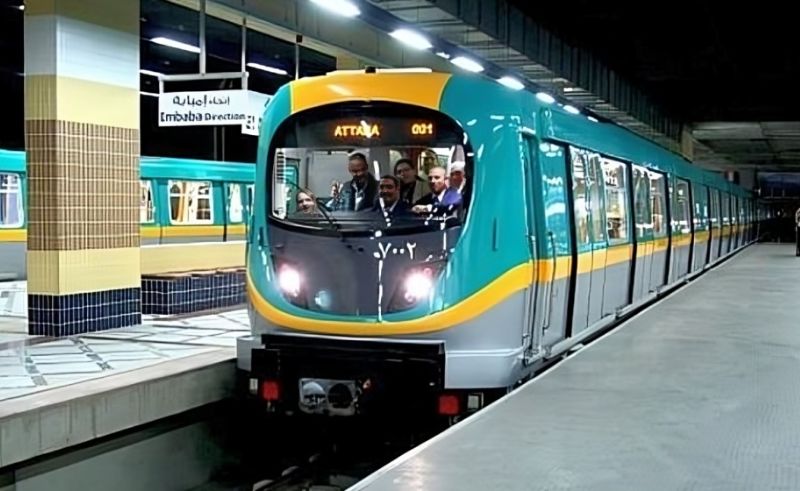
The head of the parliamentary committee for the Egyptian Democratic Party announced that the increase in metro ticket prices in Egypt poses a significant risk to the middle class, which is already suffering from increasing economic pressures. He emphasized that this increase could worsen the living conditions of citizens, especially given the difficult economic circumstances the country is facing.
These statements come at a sensitive time, as many citizens are trying to adapt to the economic challenges they face, including rising prices and the high cost of living. The committee head pointed out that the government must consider the impact of this increase on people's daily lives.
Details of the Price Increase
In a related context, it was announced that metro ticket prices would increase by up to 30%, which has sparked widespread discontent among public transport users. Many have deemed this increase unjustified, especially in the absence of noticeable improvements in service levels or metro infrastructure.
The metro network in Cairo is one of the most important public transport systems, relied upon by millions of citizens daily. With this increase, many are finding it difficult to manage transportation costs, which may push them to seek cheaper alternatives, such as using private transport or bicycles.
Background & Context
Historically, Egypt has witnessed numerous increases in public transport service prices, often coinciding with economic crises. The middle class has always been the most affected by these changes, representing a large segment of Egyptian society. In recent years, economic pressures have increased due to several factors, including inflation and rising prices of essential goods.
It is worth noting that the Egyptian government has taken several steps to improve the economic situation, but many citizens do not feel these improvements in their daily lives. With the increase in metro ticket prices, there is growing concern that these measures may exacerbate conditions rather than improve them.
Impact & Consequences
The increase in metro ticket prices is expected to have negative effects on the middle class, as families may have to cut back on spending in other areas to cover transportation costs. This could affect the overall standard of living, increasing public discontent towards the government.
Moreover, this increase may lead to a decline in the use of public transport, which could negatively impact traffic flow on the streets, as citizens may resort to using private cars, thereby increasing congestion and pollution.
Regional Significance
This issue exemplifies what is happening in many Arab countries, where middle classes are facing increasing economic pressures due to rising prices. In countries like Lebanon and Jordan, the middle classes have also experienced a decline in living standards due to economic crises.
The increase in prices of essential services such as public transport could exacerbate social and economic conditions, necessitating that Arab governments take effective measures to protect the middle classes and ensure economic stability.
In conclusion, the increase in metro ticket prices in Egypt stands out as one of the major challenges facing the middle class, requiring the government to reconsider its economic and social policies to ensure an improvement in citizens' living standards.