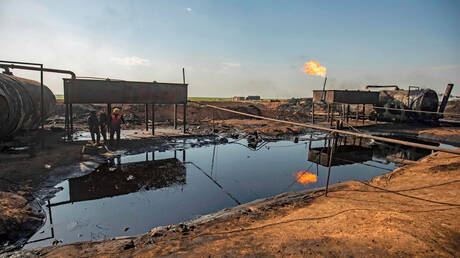
The targeting and theft of oil pipelines in the rural areas of Al-Hasakah, Syria, are on the rise, posing a significant threat of an environmental disaster. This surge occurs amid the inability of security forces to secure these vital lines that extend over long distances, raising concerns among local residents and stakeholders.
The oil pipelines in rural Al-Hasakah are considered strategic assets that contribute to the local economy, yet they have become frequent targets for theft and sabotage. Local reports have noted a significant increase in these incidents, reflecting the deteriorating security situation in the region.
Details of the Incidents
Information indicates that the targeting of oil pipelines has increased markedly in recent weeks, with several cases of theft and sabotage reported in various areas of rural Al-Hasakah. Reports show that these operations are carried out in an organized manner, raising questions about the ability of security forces to protect these vital facilities.
In some instances, light weapons have been used in the attacks, leading to the destruction of parts of the transport lines, which could result in oil leaking into the surrounding environment, threatening wildlife and ecosystems in the area.
Background & Context
Historically, Syria has witnessed multiple conflicts that have led to the deterioration of infrastructure, including the oil sector. Al-Hasakah is one of the resource-rich areas, but armed conflicts and competing territorial control have exacerbated the security situation.
Since the outbreak of the conflict in Syria in 2011, oil pipelines have become targets for various armed groups, resulting in decreased production and increased environmental risks. With the rise in theft incidents, concerns are growing about the impact on the local economy and the lives of residents.
Impact & Consequences
Estimates suggest that the increase in oil pipeline targeting incidents could exacerbate environmental crises in the region. Oil leaks into soil and groundwater could lead to widespread contamination, affecting agriculture and public health.
Moreover, the deteriorating security situation may lead to the displacement of local populations, increasing humanitarian burdens in an area already suffering from multiple crises. Additionally, the decline in oil production will negatively impact the local economy, raising poverty and unemployment rates.
Regional Significance
The oil crisis in rural Al-Hasakah is part of a larger picture concerning security and energy in the Arab region. The rise in theft and sabotage incidents could affect the stability of oil markets, reflecting on global prices.
Furthermore, the environmental crises resulting from the deterioration of oil pipelines could impact neighboring countries, necessitating a regional response to protect the environment and ensure the sustainability of natural resources.
In conclusion, the situation in rural Al-Hasakah remains alarming, as there is an urgent need to enhance security and protect oil pipelines to avoid environmental and economic disasters. The international community and local stakeholders must work together to find effective solutions to this escalating crisis.