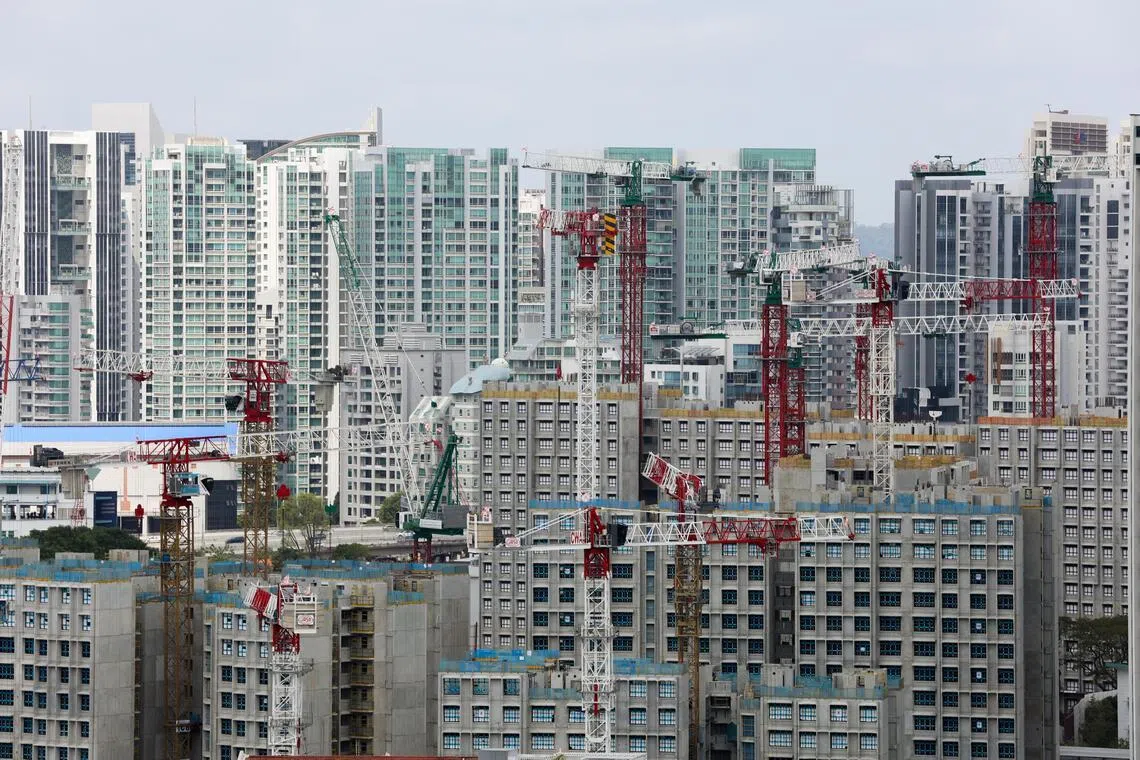
The Contractors Association of Singapore reported significant challenges faced by public and private sector projects due to rising costs. This statement was made in response to the government's cost-sharing initiative announced on April 7. The initiative aims to alleviate the financial burdens on contractors who are suffering from unprecedented cost increases.
Through this initiative, the government seeks to provide necessary support for projects that have been severely affected by rising raw material prices and labor costs. The association confirmed that this step is essential to ensure project continuity and maintain work quality.
Details of the Initiative
In the current economic climate, Singapore has seen a notable increase in construction costs, negatively impacting many projects. Contractors have indicated that this increase is not merely a local phenomenon but a result of global trends, including rising energy prices and essential materials. Additionally, labor shortages in some sectors have complicated matters further.
The new government initiative includes mechanisms for cost-sharing, meaning that the government will contribute to some expenses associated with projects. This measure comes at a critical time as contractors strive to balance costs and profitability.
Background & Context
Historically, Singapore has experienced remarkable growth in the construction sector, being regarded as one of the leading destinations in architecture and real estate development. However, the current challenges represent a significant shift in this sector. Since the onset of the COVID-19 pandemic, supply chains have been heavily impacted, leading to price increases.
This initiative is part of the government's ongoing efforts to support the national economy, as it aims to enhance investments in infrastructure and provide a stable working environment for contractors. The government hopes that these steps will stimulate economic growth and restore market confidence.
Impact & Consequences
This initiative is expected to have a positive impact on the construction sector in Singapore, as it will help contractors face financial challenges. However, the question remains about the effectiveness of this initiative in achieving long-term stability.
The challenges faced by contractors may lead to delays in project execution, which could affect the economy as a whole. Therefore, the success of this initiative depends on how it is implemented and how responsive the market is to it.
Regional Significance
The Singaporean experiences in addressing economic challenges are particularly significant for Arab countries, as many of these nations face similar challenges in construction and development sectors. The lessons learned from Singapore could contribute to developing effective strategies to tackle rising costs.
Arab countries are striving to improve the business environment and attract investments; thus, understanding how Singapore deals with these challenges can be beneficial in formulating effective economic policies.