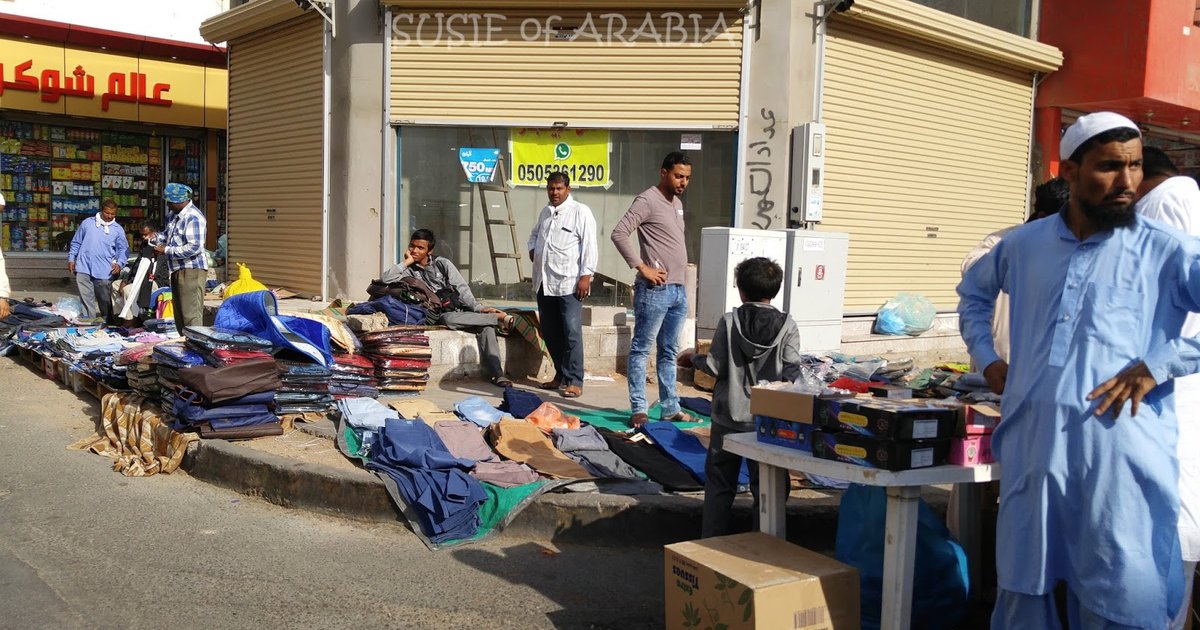
The city of Jerash in Jordan is experiencing a significant increase in the phenomenon of 'reverse migration' to the streets, where the local market suffers from the failure of temporary solutions that have been implemented. This phenomenon reflects escalating economic and social challenges in the area, causing concern among local residents.
Many traders and shop owners in the local market have reported facing significant difficulties in attracting customers, leading to a noticeable decline in commercial activity. Previous solutions, such as organizing markets and rehabilitating streets, have not achieved the desired results, prompting many vendors to return to the streets.
Details of the Situation
The number of street vendors in Jerash is on the rise, as many prefer to work on the streets rather than in official markets. This shift reflects dissatisfaction with the current economic conditions, which include rising living costs and a lack of job opportunities. Additionally, many customers prefer to buy from street vendors due to competitive prices.
Reports indicate that the local market, once a prominent commercial landmark in Jerash, has seen a decline in visitor numbers, negatively impacting buying and selling activities. Traders have expressed their dissatisfaction with the lack of effective plans to support the market and improve working conditions.
Background & Context
Historically, Jerash was known for its popular markets that attracted visitors from various regions. However, the economic challenges facing the country, including unemployment and rising prices, have significantly affected commercial activity. The COVID-19 pandemic has exacerbated these issues, leading to a sharp decline in visitor numbers to the markets.
The Jordanian government is attempting to address these issues through the implementation of economic support programs, but many citizens feel that these efforts are insufficient. This has led to the spread of the 'reverse migration' phenomenon, as vendors return to the streets in search of better opportunities.
Impact & Consequences
The repercussions of this phenomenon extend beyond the economic realm, also affecting the social fabric of the city. As the number of street vendors increases, so do the challenges related to public cleanliness and organization. This situation may lead to the emergence of negative phenomena such as chaos and congestion.
Experts emphasize that temporary solutions will not be sufficient to address these issues, calling for the need to develop comprehensive strategies aimed at improving the economic and social conditions in the city. They believe that enhancing tourism and developing infrastructure could contribute to revitalizing the local market.
Regional Significance
The phenomenon of 'reverse migration' to the streets in Jerash serves as a model for economic problems faced by many Arab cities. Numerous countries are experiencing similar challenges, with rising unemployment and citizens struggling with high living costs.
These issues require urgent responses from governments and local communities, as effective solutions must be found to boost commercial activity and create new job opportunities. Addressing these problems comprehensively can contribute to improving the overall economic and social situation in the region.
In conclusion, the city of Jerash remains a living example of the challenges faced by many Arab cities, necessitating concerted efforts from all stakeholders to find effective and sustainable solutions.