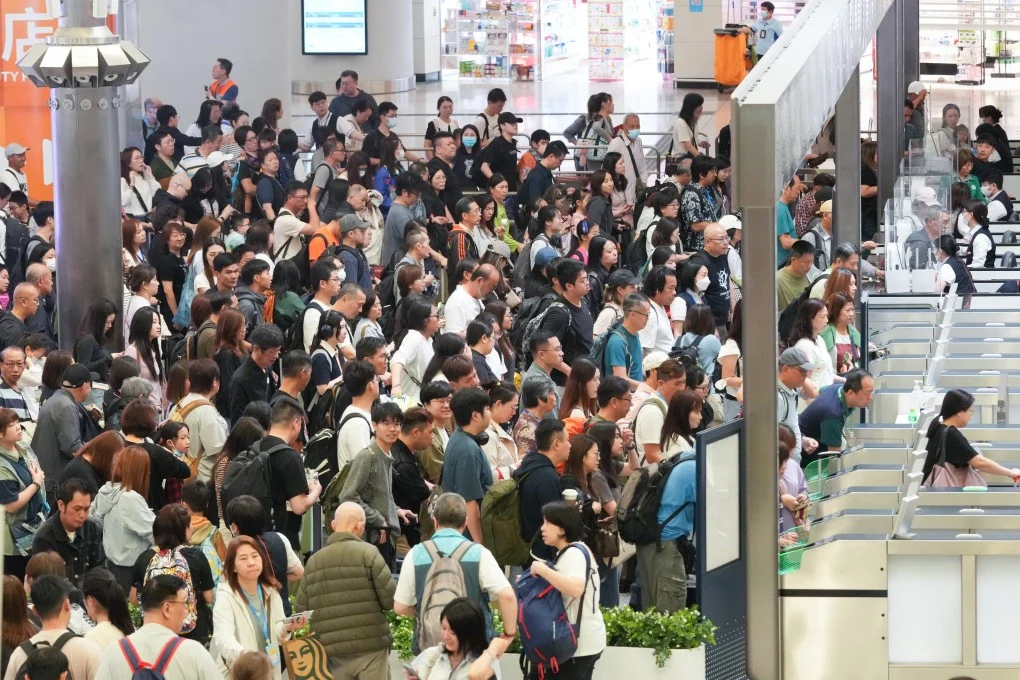
A growing number of residents from Hong Kong are choosing to travel to mainland China during the Easter holiday amid ongoing conflicts in the Middle East affecting air travel. The director of the Hong Kong Tourism Association, Timothy Choi Ting-bong, reported that the number of tour groups heading to the mainland has increased by 30% compared to last year.
Choi noted a significant growth in long-distance travel tours, including trips to provinces such as Guizhou, Hunan, and Hubei. This trend reflects the preference of Hong Kong residents for nearby destinations under the current circumstances.
Details of the Event
This increase in tourist numbers comes at a time when the world is experiencing political and security tensions, particularly in the Middle East. The ongoing conflict in this region has led to disruptions in air travel, prompting many tourists to seek nearby and safe alternatives. Tourism to mainland China has shown particular appeal in this context.
The Easter holiday is a traditional opportunity for travel, and with the growing awareness of the risks associated with traveling to distant destinations, it seems that Hong Kong residents prefer safer options. Statistics have shown an increasing interest in visiting cultural and natural areas in China, reflecting people's desire to explore new cultures.
Context and Background
Historically, Hong Kong has been a major tourist destination in Asia, attracting visitors from around the world. However, global political and economic events, including conflicts in the Middle East, have impacted tourism flows. In recent years, Hong Kong has faced multiple challenges, including political protests and the effects of the COVID-19 pandemic, leading to a significant decline in tourist numbers.
Nevertheless, it appears that Hong Kong residents are beginning to reassess their travel options, turning to mainland China as an alternative destination. This shift reflects changes in tourist preferences, as they become more cautious in choosing safe and convenient destinations.
Implications and Effects
This increase in tourism to mainland China is an indicator of the gradual recovery of the tourism sector in Hong Kong. This could contribute to boosting the local economy, as many businesses in Hong Kong rely on tourism. Additionally, the increase in tourist numbers may lead to improved relations between Hong Kong and the mainland, enhancing economic and cultural cooperation between the two sides.
However, local authorities must be cautious in managing this tourist influx, as any changes in the security or health situation could negatively impact this trend. It is also important to enhance the tourism infrastructure to meet the growing needs of visitors.
Impact on the Arab Region
While the Middle East is experiencing conflicts that affect travel flows, the experience of Hong Kong residents could serve as a lesson for Arab countries. Arab nations can learn from this shift in tourist preferences and work on improving their tourist destinations to attract more visitors. Additionally, enhancing domestic tourism could be a good alternative under the current circumstances.
In conclusion, tourism to mainland China from Hong Kong reflects changes in travel behaviors amid shifting global conditions. As conflicts in the Middle East continue, it may be necessary for Arab countries to reassess their tourism strategies to attract visitors.