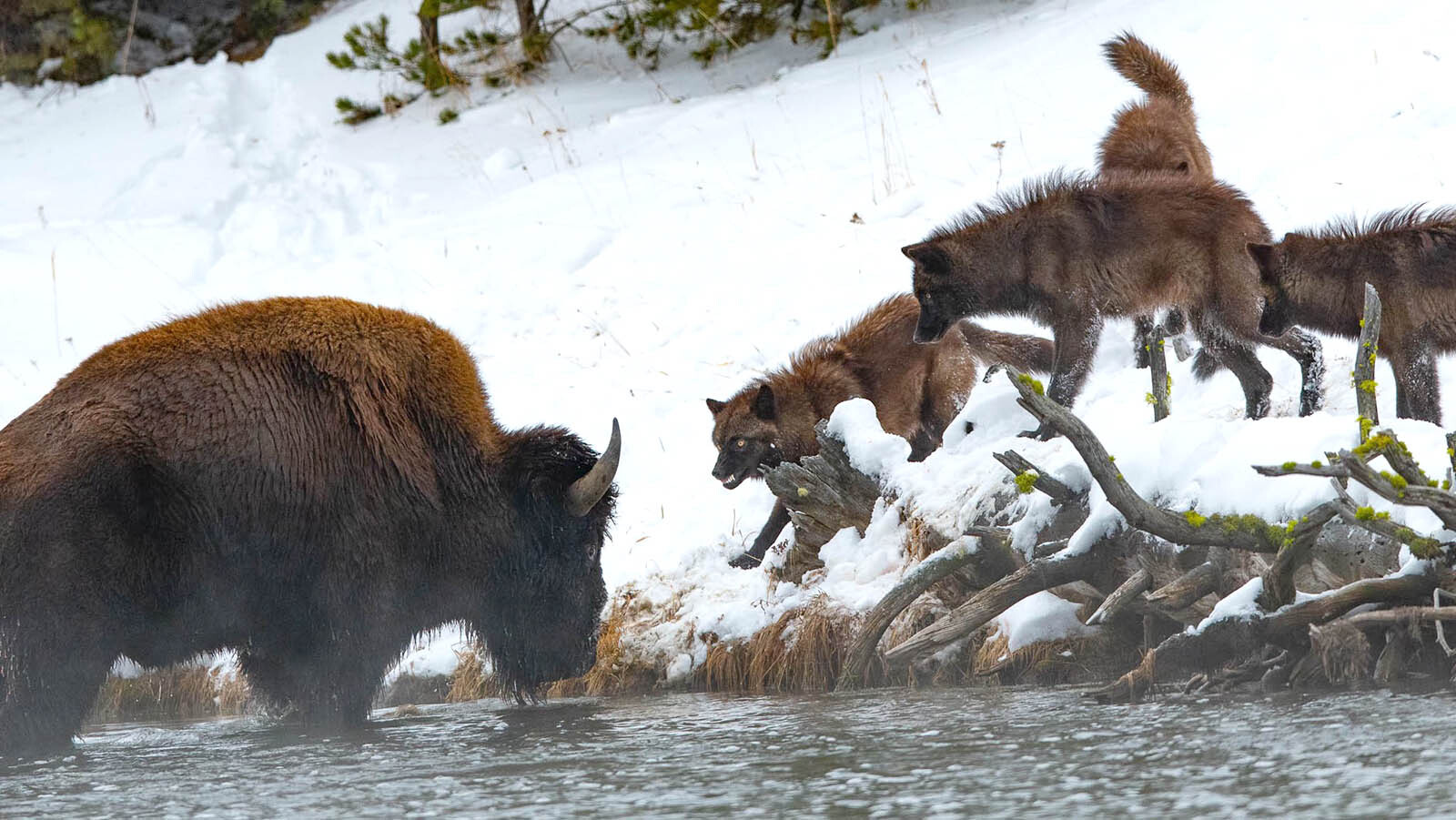
Recent incidents of wolf attacks on citizens in several European cities have raised significant concerns about public safety. This phenomenon, which was previously uncommon, has become a real threat to people's lives on the streets.
Reports indicate that wolves have begun to roam urban areas, bringing them closer to populated communities. This change in wolf behavior reflects environmental changes that may be due to a lack of food resources in their natural habitats.
Details of the Incidents
In recent weeks, several wolf attack incidents have been recorded in cities such as Berlin and Paris, where a number of citizens were attacked while moving through the streets. Videos circulated on social media captured terrifying moments as wolves attacked individuals without warning.
The frequency of these incidents is increasing amid changing climatic conditions, as environmental changes impact the habitats of wild animals. Experts have pointed out that the degradation of natural environments may force wolves to search for food in urban areas.
Background & Context
Historically, wolves lived in mountainous and forested areas, but with increasing human activity and urban expansion, these animals have begun to approach residential areas. In recent years, Europe has seen efforts to conserve wild species, leading to an increase in wolf populations in some regions.
However, these conservation efforts have not taken into account the potential impacts on local communities. The increase in wolf numbers may lead to new conflicts between humans and nature, necessitating a reassessment of conservation strategies.
Impact & Consequences
Wolf attacks have caused panic among residents, affecting their daily lives. Many people feel afraid to go out in the evening or stroll in public parks, altering their lifestyle. Additionally, these incidents may impact tourism in areas experiencing a rise in wolf attacks.
Moreover, this phenomenon may spark debate about how to manage wildlife in urban settings. Local authorities must take urgent action to protect citizens, such as increasing awareness about how to deal with these animals and providing necessary support to affected communities.
Regional Significance
While this phenomenon may seem distant from the Arab region, there are lessons to be learned. Environmental changes affect all parts of the world, and some Arab countries may witness similar changes in wildlife due to urban expansion and climate change.
Arab nations should be prepared to face such challenges by enhancing environmental awareness and developing effective strategies to protect biodiversity while ensuring the safety of local communities.
The increase in wolf attacks in Europe highlights the need to rethink how we interact with wildlife. There must be a balance between protecting species and ensuring community safety, which requires collaborative efforts from governments and communities.