US bonds experienced a slight rise on Tuesday, reflecting a shift in investor sentiment as they begin to view the Iranian war as a positive opportunity rather than a threat. This development comes at a time when oil prices are fluctuating, complicating the global economic landscape.
Data shows that investors have started to reassess their positions regarding US bonds, considering that geopolitical conflicts may lead to increased demand for these bonds as a safe haven. This shift in opinion also reflects investors' concerns about inflation and economic growth, as they seek to protect their funds during times of uncertainty.
Details of the Event
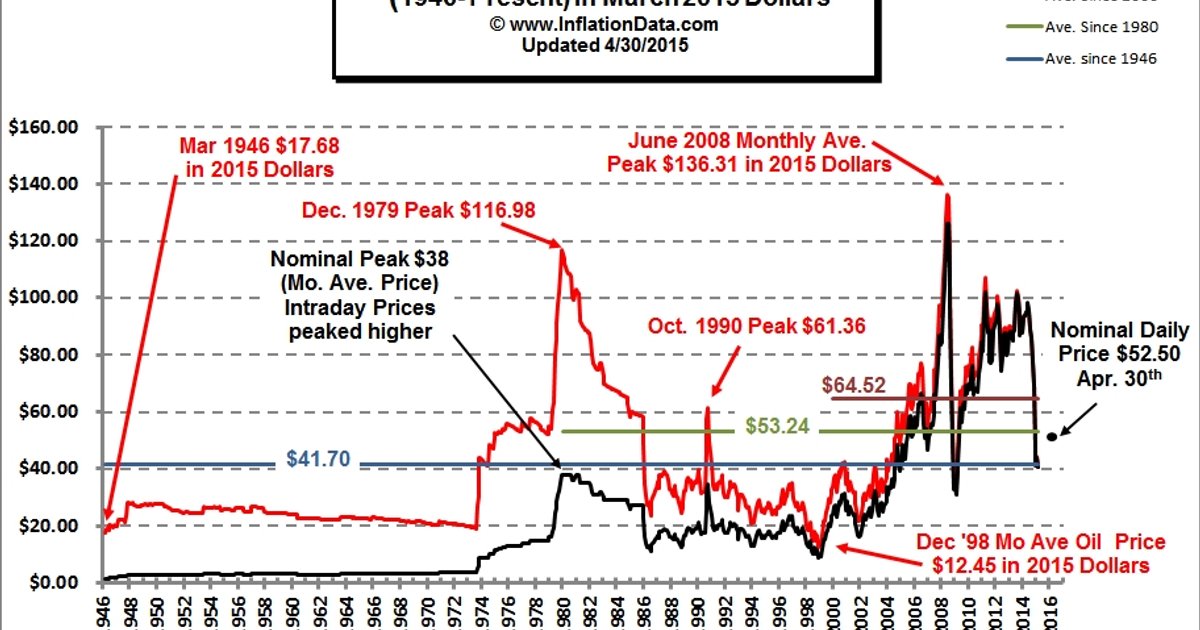
Amid rising tensions in the Middle East, particularly the war in Iran, investors have begun to view US bonds as a safer investment option. Forecasts suggest that this war may lead to greater fluctuations in oil prices, which could impact global economic growth. At the same time, the market shows a mixed response to these events, as investors react to every change in geopolitical conditions.
US bonds are typically considered financial instruments used as a safe haven during crises. However, changes in oil prices may lead to increased inflationary pressures, which could affect the future yields of these bonds. Therefore, investors are closely monitoring developments in Iran and their impact on global markets.
Background & Context
Historically, US bonds have been regarded as one of the safest assets in the world, especially during times of crisis. However, geopolitical events such as the war in Iran can lead to significant changes in the market. Over the years, financial markets have experienced substantial fluctuations due to conflicts in the Middle East, where oil prices play a pivotal role in determining market trends.
Iran is one of the largest oil producers in the world, and any conflict in the region can lead to sharp fluctuations in oil prices, which in turn affects the global economy. In recent years, we have witnessed several crises that have impacted oil prices, leading to increased interest in US bonds as a safe investment option.
Impact & Consequences
The war in Iran could lead to increased volatility in financial markets, which may affect economic growth in many countries. If oil prices continue to rise, this could lead to increased inflation, putting pressure on central banks to adjust their monetary policies. This, in turn, could affect the yields on US bonds, as investors may need to reassess their investments.
Moreover, geopolitical tensions could lead to increased demand for US bonds, potentially driving their prices higher. At the same time, investors must be cautious of the potential risks that may arise from these events, as financial markets could be significantly affected by changes in political conditions.
Regional Significance
Events in Iran are particularly significant for the Arab region, as they can impact economic and political stability in many countries. If the war in Iran continues, it could lead to increased tensions in the region, affecting oil prices and increasing economic pressures on Arab countries.
Simultaneously, the increased demand for US bonds may also reflect a shift in investments towards safer assets, which could affect investment flows into the region. Therefore, Arab countries should closely monitor these developments, as they may influence their economic and political strategies in the future.