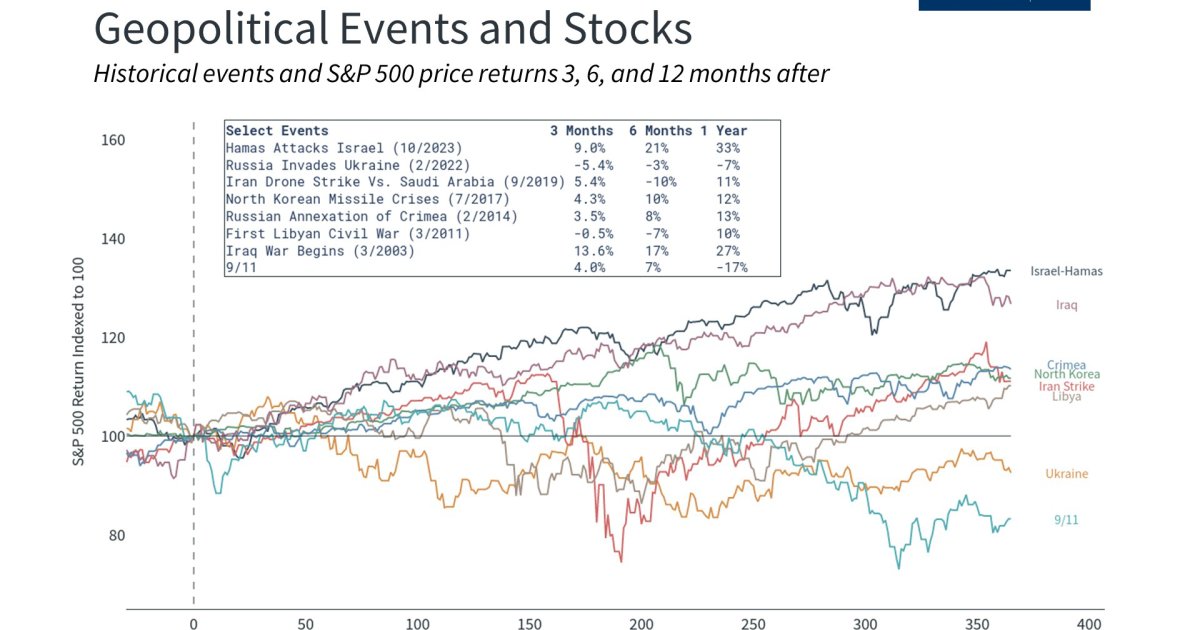
Japanese long-term bond yields have increased amid escalating conflicts in the Middle East, as recent events have led to rising oil prices and heightened inflation concerns. These changes reflect the profound impacts that regional conflicts can have on the global economy, including the Japanese economy, which heavily relies on energy imports.
Reports indicate that yields on 40-year Japanese bonds have risen to levels not seen in a long time, reflecting investor anxiety over the continued rise in oil prices and its effects on the economy. While the Bank of Japan seeks to maintain an accommodative monetary policy, these changes may force it to reconsider its strategy.
Details of the Event
Events in the Middle East have accelerated, with the region witnessing an escalation in armed conflicts, leading to a sharp increase in oil prices. This rise has directly impacted global financial markets, as investors began to reassess the risks associated with bond investments. Long-term Japanese bond yields, considered a safe haven, have seen a notable increase, reflecting market concerns over expected inflation.
At the same time, economic data indicates that Japan is facing multiple economic challenges, including slowing growth and rising living costs. These combined factors make it difficult for the Japanese government to achieve its economic objectives.
Background & Context
Historically, Japan has relied heavily on energy imports, making it vulnerable to fluctuations in global oil prices. Since the onset of the conflict in the Middle East, oil prices have seen significant increases, impacting the Japanese economy. In recent years, the Japanese government has attempted to reduce its dependence on oil by promoting renewable energy sources, but oil still constitutes a large part of the energy mix.
Furthermore, the monetary policy of the Bank of Japan, aimed at stimulating the economy by keeping interest rates low, may face new challenges under these circumstances. The government may need to take new measures to address rising inflation.
Impact & Consequences
The rise in long-term Japanese bond yields could affect borrowing costs in Japan, potentially leading to slower economic growth. If oil prices continue to rise, Japanese consumers may face additional pressures due to increased living costs, which could lead to a decline in domestic consumption.
Additionally, rising bond yields may indicate that investors expect an increase in inflation, which could lead to a reassessment of their bond investments. This could result in greater volatility in financial markets, impacting economic stability in Japan.
Regional Significance
The Arab region is one of the largest oil producers in the world, and therefore any increase in oil prices directly affects its economies. Conflicts in the Middle East may lead to increased instability in markets, which could impact oil prices and consequently the economies of Arab countries.
Moreover, rising oil prices may provide an opportunity for oil-producing countries to enhance their revenues, but at the same time, it may increase economic pressures on oil-importing countries. This delicate balance between benefits and risks will have long-term effects on the Arab economy.
In conclusion, amid the escalating conflict in the Middle East and its impact on oil prices, Japan and Arab countries must take proactive measures to address upcoming economic challenges. Understanding these dynamics will help in making wiser economic decisions in the future.