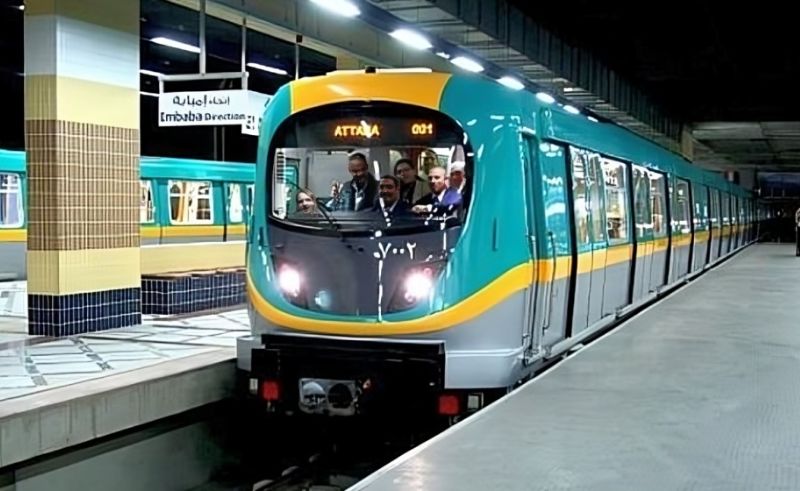
The recent increase in metro ticket prices in Egypt has sparked widespread debate, with many citizens, particularly students, questioning the fate of their subscriptions. Given the current economic conditions, this increase could significantly impact family budgets, necessitating intervention from relevant authorities to provide suitable solutions.
In an official statement, officials from the Metro Authority indicated that they are studying various options regarding subscription prices, including the possibility of reducing prices or offering new facilities for students. This step comes at a time when many are suffering from rising living costs, making it essential to consider how to support the most vulnerable groups.
Details of the Event
In recent days, the Metro Authority announced a ticket price increase of up to 30%, which has caused widespread dissatisfaction among citizens. Many students have pointed out that this increase could affect their ability to commute, especially in the absence of suitable alternatives. Some have expressed concern that this rise might lead to a decline in their numbers at universities and institutes.
The authority also confirmed that it would review the subscription prices for students, which were previously set at discounted rates. This comes as part of the government's efforts to provide affordable transportation, but the recent increase may contradict this goal.
Background & Context
Historically, metro ticket prices in Egypt have experienced numerous fluctuations, as the government has always sought to balance providing public transport services at reasonable prices while covering operational costs. With the increasing economic burdens, it has become necessary to reassess policies related to transport pricing.
Public transport in Egypt, including the metro, is one of the most important means of commuting relied upon by millions of citizens daily. Therefore, any changes in ticket prices directly affect people's daily lives, especially amid the difficult economic conditions the country is facing.
Impact & Consequences
The increase in metro ticket prices is expected to place additional financial burdens on families, which may negatively impact their ability to commute. This situation could lead to a decline in the number of passengers, affecting the revenues of the Metro Authority. Additionally, this increase may drive some students to seek alternative transportation methods, potentially increasing congestion on the streets.
If swift measures are not taken to alleviate the burdens on students, this could result in a decline in education levels, as some students may be forced to drop out due to their inability to afford transportation costs.
Regional Significance
The issue of public transport pricing is a contentious one facing many Arab countries. While governments strive to provide affordable transport services, they are under increasing economic pressure. Thus, Egypt's experience in this context could serve as a model or a warning for other countries.
Effectively addressing these issues could contribute to improving the quality of life for citizens and enhancing education and development in the region.
In light of the current economic conditions, the fate of metro subscriptions for students and the public remains uncertain. Relevant authorities must make swift and effective decisions to ensure that the most vulnerable groups are not adversely affected.