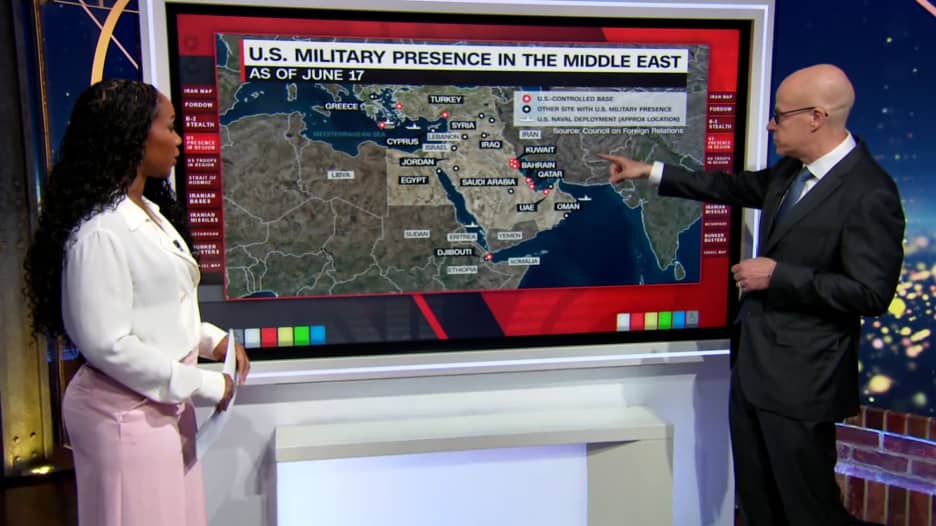
Economic reports indicate that Wall Street has begun to lower its expectations for the US economy this year, with rising inflation and unemployment forecasts increasing the likelihood of a recession. This comes at a time when the impact of the war in Iran on the global economy is growing.
Concerns about a recession in the United States are escalating, as recent forecasts suggest that the US economy may face significant challenges in the coming months. Analysts have pointed out that the tense geopolitical situation, particularly the ongoing conflict in Iran, may contribute to worsening economic conditions.
Details of the Event
New data shows that Wall Street has reduced its forecasts for US economic growth, reflecting increasing concerns about economic stability in the country. Inflation expectations have been adjusted to be higher than before, indicating that prices may continue to rise, which could pressure citizens' purchasing power.
Furthermore, forecasts suggest that unemployment rates may rise, potentially exacerbating economic conditions. These changes come at a sensitive time, as the US economy seeks to recover from the impacts of the COVID-19 pandemic.
Background & Context
Historically, the United States has experienced several periods of economic recession, often linked to global crises or geopolitical conflicts. In recent years, the US economy has heavily relied on domestic consumption, but external challenges such as the conflict in Iran could negatively impact this growth.
The war in Iran, which has been escalating for several months, may lead to increased oil and commodity prices, adversely affecting the US economy. Additionally, geopolitical tensions could result in fluctuations in financial markets, increasing economic uncertainty.
Impact & Consequences
If conditions continue on this trajectory, the US economy may face a recession that could impact global growth. A recession in the United States could lead to a decline in foreign investments, negatively affecting global markets.
The potential impact of a recession may extend to various sectors, including industry and services, potentially leading to further job losses. This situation may place additional pressure on the US government to take stimulative measures to support the economy.
Regional Significance
Arab countries are directly affected by economic changes in the United States, as many nations rely on exports to the US market. Any decline in US economic growth could lead to reduced demand for goods and services from Arab countries, impacting their economies.
Moreover, rising oil prices due to the conflict in Iran could have varying effects on Arab nations, with some benefiting from higher prices while others suffer from increased energy costs.
In conclusion, the economic situation in the United States remains under scrutiny, as any changes could significantly impact the global economy, including Arab nations. It is crucial for governments and businesses in the region to closely monitor these developments.