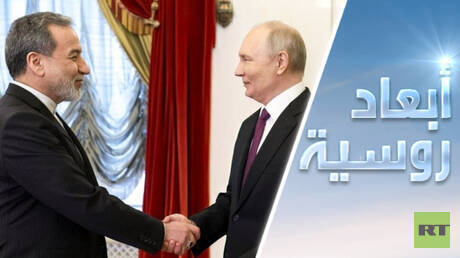
Intensive communications between Russia and Iran have been increasing recently, as Moscow aims to enhance its role as a mediator in various regional conflicts. These moves come at a time when the Middle East is witnessing escalating tensions, raising questions about Russia's strategic objectives in the region.
Reports indicate that Russian and Iranian officials have held a series of meetings addressing issues related to regional security and economic cooperation. These communications suggest Moscow's desire to strengthen its relations with Tehran, especially in light of the Western sanctions imposed on Iran.
Details of the Engagement
The discussions between Russia and Iran encompass several topics, including military and technical cooperation, as well as energy issues. The situation in Syria has also been addressed, where both Russia and Iran play key roles in supporting the Syrian regime. These meetings may signal Russia's intention to expand its influence in the region, particularly given the challenges faced by the United States and its allies.
In this context, Russian officials have confirmed that Moscow is seeking peaceful solutions to regional conflicts, reflecting a shift in Russian strategy towards promoting dialogue rather than escalation. This step could help alleviate tensions between Iran and Western countries, especially following the nuclear agreement that has faced several setbacks in recent years.
Context and Background
Historically, Russian-Iranian relations have been complex, characterized by periods of both cooperation and competition. However, recent geopolitical changes, including conflicts in Syria and Iraq, have prompted both countries to strengthen their partnership. Iran is considered one of Russia's key allies in the Middle East, with both nations cooperating in various fields, including energy and security.
These communications occur at a sensitive time, as Iran seeks to bolster its regional position amidst economic and political pressures. Additionally, Russia, aiming to enhance its influence in the region, views Iran as a strategic partner that can assist in achieving its objectives.
Implications and Effects
These communications could lead to significant changes in the political dynamics of the Middle East. If Russia succeeds in playing a mediating role, it may contribute to reducing tensions between Iran and Western countries, potentially leading to relative stability in the region. This stability could open up new opportunities for economic and political cooperation among nations.
On the other hand, these moves may raise concerns among some Arab countries, which might perceive the strengthening of Russian-Iranian relations as a threat to their interests. Therefore, it is crucial to monitor regional reactions to these developments, as they may impact relations between Arab states and Russia.
Impact on the Arab Region
The Russian-Iranian communications are particularly significant for Arab countries, as they could influence political balances in the region. If Moscow manages to make progress in mediation, it could lead to changes in regional policies, which may have positive or negative repercussions for Arab nations.
Moreover, these communications may open up new opportunities for cooperation between Arab states and Russia, especially in the fields of economy and energy. However, Arab nations must remain cautious of any new alliances that could affect their national interests.
In conclusion, Russian-Iranian communications remain a contentious topic, carrying numerous opportunities and challenges. Concerned nations must closely monitor these developments, as they may have far-reaching implications for security and stability in the region.