Tensions between Iran and the United States are intensifying as the deadline set by President Donald Trump approaches. Tehran has refused to comply with his demands to open the Strait of Hormuz or accept a temporary truce. This comes as warnings from the Israeli army escalate, cautioning Iranians against using trains or approaching railway lines, indicating that their lives could be in danger.
In a related context, the Israeli army issued a warning through its Persian-language account on the platform X, urging Iranian citizens to avoid traveling by trains until 9 PM local time. The army confirmed that being on trains or near railway infrastructure could endanger civilians.
Details of the Incident
These warnings come at a time when Iran is facing internet access restrictions, limiting many citizens' ability to see these messages directly. However, Persian-language news channels broadcasting from abroad are relaying these warnings, aiding in their dissemination within Iran.
Iran has rejected a ceasefire proposal mediated by Pakistan, which aimed to reopen the Strait of Hormuz and initiate peace talks within weeks. Sources reported that Tehran turned down the 45-day truce, instead demanding a permanent end to the war. Iran's response included ten conditions, such as easing sanctions, reconstruction, and guarantees for safe passage through the strait.
Background & Context
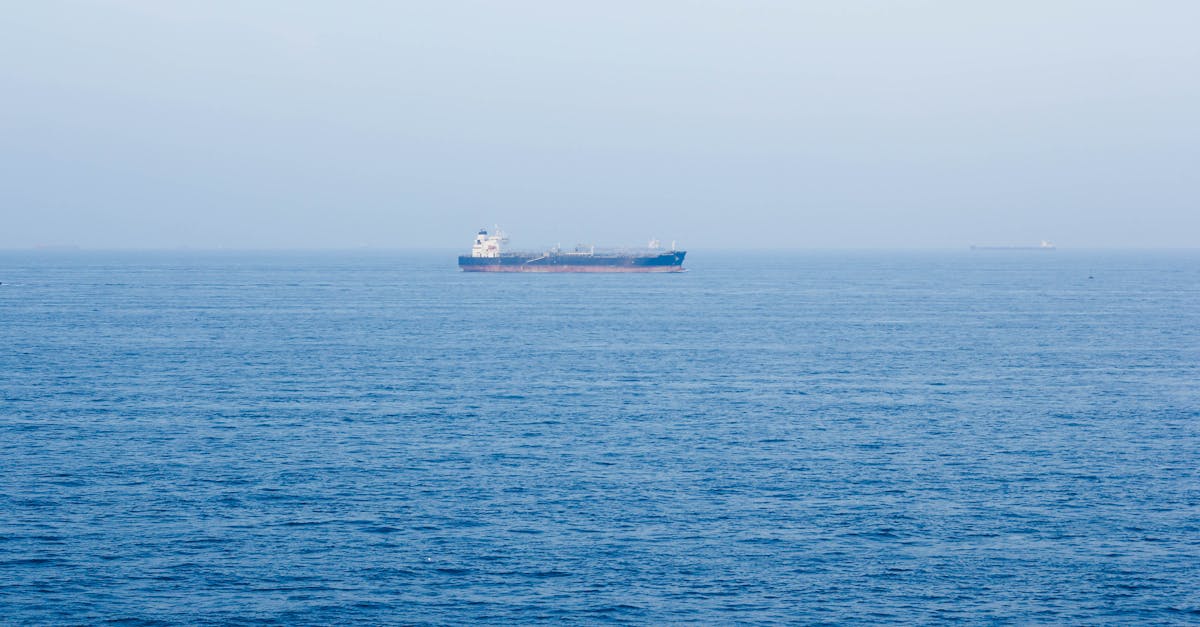
Historically, the Strait of Hormuz is one of the strategic maritime passages through which a significant portion of the world's oil flows. The region has witnessed increasing tensions between Iran and the United States since Washington's withdrawal from the Iranian nuclear agreement in 2018, leading to strict sanctions imposed on Tehran. These sanctions have significantly impacted the Iranian economy and exacerbated humanitarian conditions in the country.
In light of these circumstances, United Nations Secretary-General Antonio Guterres warned that targeting civilian infrastructure constitutes a violation of international law. However, Trump has expressed little concern over the possibility of committing war crimes, indicating his willingness to undertake extensive military operations against Iran if an agreement is not reached.
Impact & Consequences
Current developments suggest that any military escalation could lead to severe consequences for regional and international security. Should Trump follow through on his threats, it could worsen humanitarian conditions in Iran and heighten tensions among major powers in the region.
Moreover, military pressures could provoke unexpected reactions from Iran, which may seek to bolster its military capabilities or take other escalatory steps, increasing the risk of a comprehensive conflict in the region.
Regional Significance
These events directly impact Arab countries, particularly those that rely on the Strait of Hormuz for oil transportation. Any escalation in the conflict could affect global oil prices and increase transportation costs, negatively impacting the economies of Arab nations.
In conclusion, the situation in the region remains tense, with rising fears of military escalation that could drag the area into a new conflict. It is crucial for the involved parties to seek peaceful solutions to avoid further tensions.