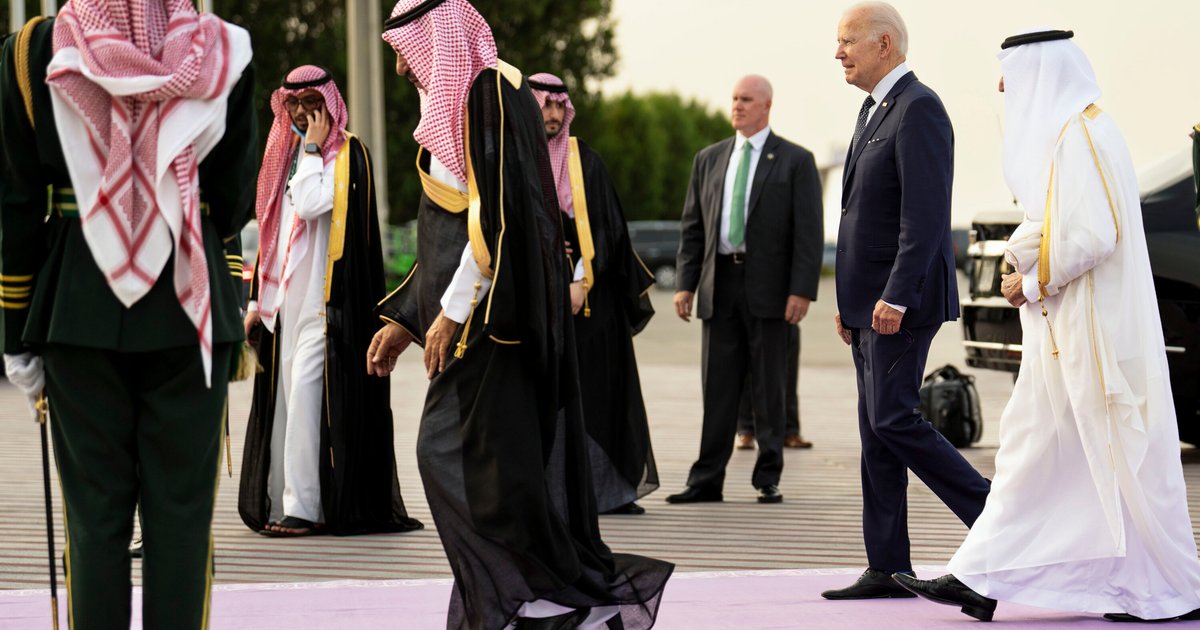
Tensions between the United Arab Emirates and Saudi Arabia have been increasing recently, as competition over energy shares and regional disputes intensifies. These tensions highlight differences in visions for the future of the Middle East, prompting concerns about the future of cooperation between these two key allies.
Officials from both countries assert that competition is healthy; however, the reality indicates a noticeable rise in tensions. With escalating conflicts in Yemen and Syria, alongside economic challenges stemming from fluctuating oil prices, it has become clear that there is an urgent need to reassess bilateral relations.
Details of the Situation
The tensions between the UAE and Saudi Arabia manifest in several areas, most notably in oil production shares. Each country is striving to enhance its position in the global market, leading to conflicts over the allocated shares for each. Reports have indicated that the UAE has begun to significantly increase its oil production, which contradicts its commitments within OPEC+.
Moreover, regional disputes play a significant role in exacerbating these tensions. The UAE and Saudi Arabia adopt differing stances on various issues, such as the conflict in Yemen, where each country supports different factions, complicating the situation further.
Background & Context
Historically, the UAE and Saudi Arabia have been major allies in the Gulf region, collaborating on numerous political and economic issues. However, this relationship has started to show signs of strain in recent years, particularly following the emergence of new challenges in the region, such as the rise of Iran and its increasing influence.
Additionally, changes in U.S. policy towards the region, especially under the Biden administration, have contributed to heightened tensions between the allies. The UAE hoped to strengthen its ties with the United States, while Saudi Arabia sought to maintain its traditional position as a key ally.
Impact & Consequences
The escalation of tensions between the UAE and Saudi Arabia could significantly impact regional stability. As competition between the two nations increases, the likelihood of conflicts in the region rises, potentially exacerbating existing crises.
These tensions may also affect the regional economy, as many countries rely on stability in the Gulf to ensure the flow of investments and tourism. Therefore, any escalation in relations between the UAE and Saudi Arabia could negatively impact the regional economy.
Regional Significance
The relationship between the UAE and Saudi Arabia is pivotal in the Gulf region, and any tension between them could affect neighboring countries. Other Arab nations may find themselves compelled to take sides in this conflict, potentially leading to a new division in the region.
Ultimately, both countries must work to alleviate tensions and enhance cooperation, especially in light of the economic and political challenges facing the region. Strengthening dialogue and understanding between the UAE and Saudi Arabia will have a positive impact on regional stability.