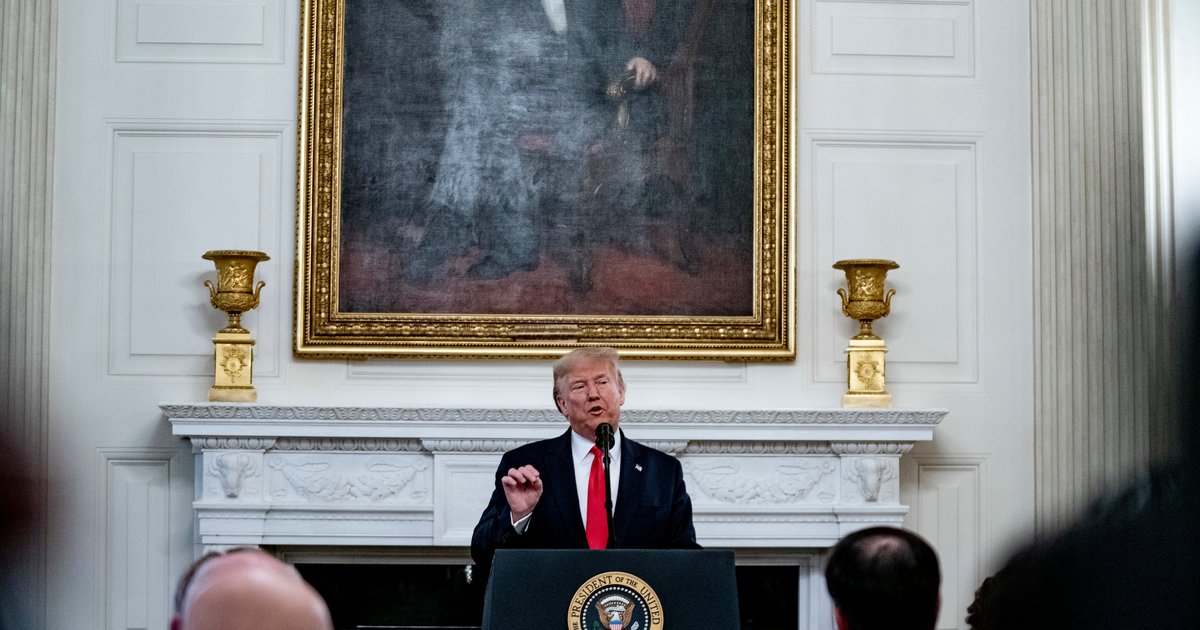
The Trump administration is set to announce a new budget that includes a substantial increase in defense spending, reflecting the president's strategic direction to enhance the military capabilities of the United States. Details of this budget are expected to be revealed in the coming days, raising questions about the potential impact of this increase on U.S. foreign policy.
Reports indicate that the new budget will see a noticeable increase in defense allocations, as Trump aims to bolster military capabilities to address rising challenges from countries like China and Russia. This move is part of a comprehensive strategy aimed at rebuilding the U.S. military and improving its readiness to confront any potential threats.
Details of the Budget Announcement
The new budget is expected to include increased spending on weapons and military technology, as well as enhancements to salaries and benefits for military personnel. Additionally, the budget will also allocate extra funding for military operations in conflict areas, such as the Middle East, where U.S. forces remain deployed.
This step comes at a time when the world is witnessing a rise in geopolitical tensions, making it essential for the United States to strengthen its defense capabilities. Many observers have noted that this increase in spending could exacerbate tensions with other nations, especially amid the growing competition for influence in regions like the Pacific.
Background & Context
Historically, the United States has seen similar increases in defense budgets during times of crisis. For instance, following the events of September 11, defense spending was significantly boosted to counter terrorist threats. Today, it appears that the current administration is adopting a similar approach, seeking to enhance military capabilities to confront new challenges emerging on the international stage.
The U.S. defense budget is one of the largest in the world, surpassing the combined budgets of many countries. This raises questions about the administration's financial priorities, especially given the domestic economic challenges facing the nation.
Impact & Consequences
The increase in defense spending is likely to have far-reaching effects on U.S. foreign policy. This move could strengthen the United States' position in negotiations with other countries, but it may also lead to an escalation of military tensions. Furthermore, this increase could affect relations with allies, who may feel concerned about the growing military orientation of U.S. policies.
Moreover, this budget may impact domestic budgets, as funds could be redirected from social programs to defense, raising debates about national priorities. It is crucial for the administration to balance enhancing military capabilities with achieving internal stability.
Regional Significance
For the Arab region, this increase in U.S. defense spending could lead to changes in regional dynamics. An increase in U.S. military presence in the area may bolster certain regimes, while others might feel threatened. This move could also affect ongoing conflicts, such as those in Syria and Yemen, where the United States plays a role in supporting certain factions.
In conclusion, the announcement of a significant increase in the U.S. defense budget represents a strategic step reflecting President Trump's military orientation. However, this move carries potential implications for foreign policy and international relations, necessitating close monitoring by Arab nations and the international community.