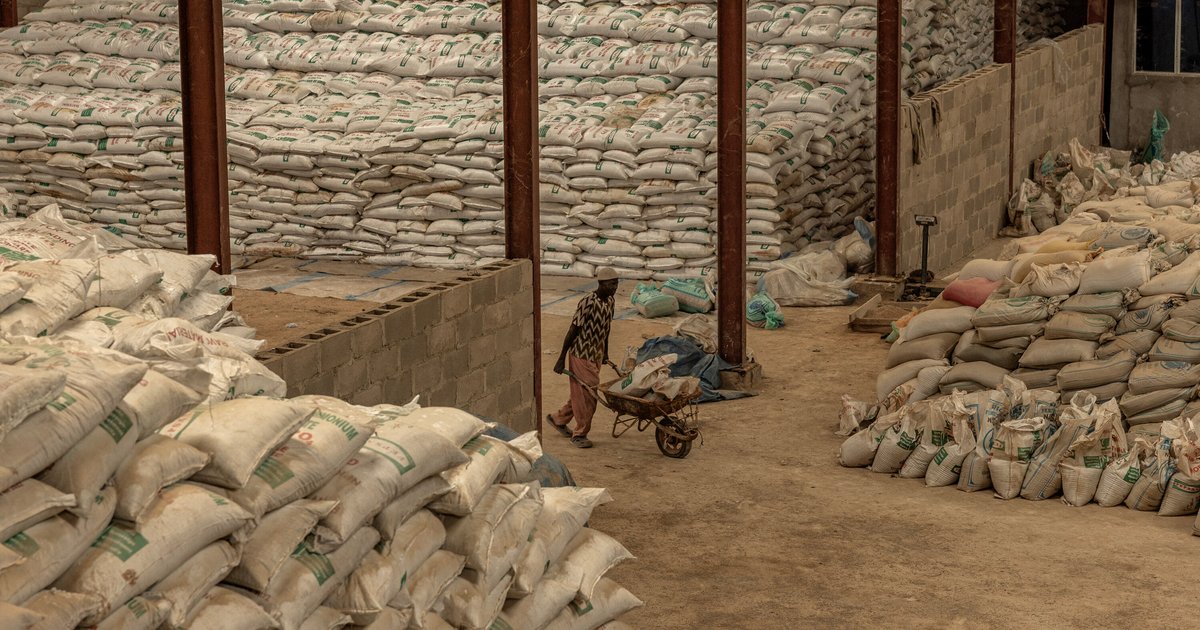
Iran is facing a growing crisis in fertilizer supplies, raising concerns about rising food prices worldwide. This crisis comes at a sensitive time as many countries grapple with the repercussions of increased agricultural production costs. Experts have indicated that these pressures could exacerbate food conditions in many countries, especially those that heavily rely on imports.
The challenges facing Iran in fertilizer production are increasing, as the country is affected by economic sanctions imposed by Western nations. This has reduced Iran's ability to import the raw materials necessary for fertilizer production, negatively impacting its domestic output. At the same time, global markets are experiencing supply shortages, driving up fertilizer costs and increasing pressure on farmers.
Details of the Event
Fertilizers are essential elements in modern agriculture, contributing to increased productivity and improved crop quality. However, a shortage of fertilizer supplies could lead to reduced agricultural production, negatively impacting food prices. Reports have shown that fertilizer prices have risen by as much as 30% in some markets, increasing the financial burden on farmers.
This crisis coincides with rising food prices globally, as many countries have seen a noticeable increase in the prices of bread and grains. This situation is a significant concern for many governments, especially in developing countries that heavily rely on imports to meet their food needs.
Background & Context
Historically, Iran has been one of the largest fertilizer producers in the region, possessing rich natural gas resources used in the production of nitrogen fertilizers. However, the economic sanctions imposed on the country several years ago have led to a significant decline in this sector. In recent years, Iran has attempted to enhance its production capacity, but ongoing challenges have made this difficult.
At the same time, the world is facing an increasing food crisis, with forecasts indicating that food prices will continue to rise in the near future. The COVID-19 pandemic, along with wars and conflicts in some regions, has affected supply chains, further exacerbating the situation.
Impact & Consequences
The repercussions of the fertilizer crisis extend beyond Iran's borders, potentially affecting food prices worldwide. If this crisis continues, we may witness an increase in the prices of staple food items, which could worsen economic and social conditions in many countries.
Forecasts suggest that countries heavily reliant on imports will face greater challenges, as they will have to pay higher prices for fertilizers and food supplies. This could lead to increased rates of poverty and hunger in some areas, necessitating an urgent response from the international community.
Regional Significance
Arab countries are among the most affected by the fertilizer supply crisis, as many nations depend on imports to meet their agricultural needs. With rising fertilizer prices, these countries may find themselves in a difficult position, facing challenges in securing food for their populations.
Under these circumstances, it may be essential for Arab nations to collaborate to enhance local fertilizer production and reduce reliance on imports. Governments should also work on strategies to mitigate the impact of rising food prices on citizens.
The fertilizer supply crisis in Iran represents a significant challenge not only for the country itself but for the entire world. The current situation requires immediate response and international cooperation to ensure food security for all.