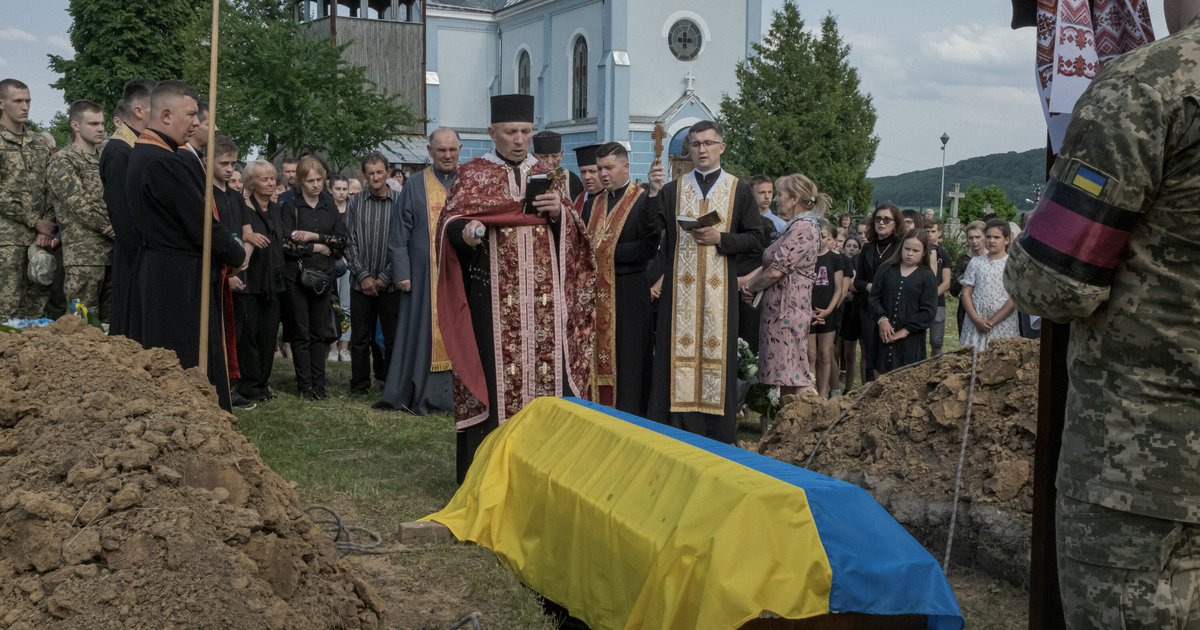
U.S. military casualties are rising, raising questions about the possibility of a tactical withdrawal from ongoing conflicts. This situation unfolds amid growing internal and external pressures on the U.S. administration.
Recently, military reports have noted a significant increase in the number of U.S. soldier fatalities, leading to escalating calls for a reassessment of military strategies. These losses coincide with increasing criticism from certain political and media circles, which argue that continuing these wars may not be beneficial.
Details of the Incident
Military sources have reported that the number of U.S. soldiers who have died in current conflicts has exceeded expected figures, raising widespread concern in political circles. Reports indicate that these losses could lead to a reevaluation of military strategies and may prompt the U.S. administration to take new tactical steps.
Some reports have also indicated that there are discussions within the U.S. administration about the possibility of reducing troops in certain areas or even withdrawing completely from some conflicts. This comes at a time when pressures are mounting from the families of soldiers and American citizens expressing their concerns over the continuation of these wars.
Background & Context
Historically, the United States has experienced a series of military conflicts that began decades ago, starting from the Vietnam War to the wars in Iraq and Afghanistan. These wars have had significant repercussions on U.S. politics, leading to a division in public opinion regarding the efficacy of these military interventions.
In recent years, calls for withdrawal from these wars have intensified, particularly with the rising human and financial costs. Additionally, political changes in the region, such as the rise of armed groups and shifts in power dynamics, have complicated the U.S. military situation.
Impact & Consequences
If casualties continue to rise, it could lead to a radical change in U.S. foreign policy. The administration may be forced to make difficult decisions regarding the future of U.S. forces abroad, which could affect relations with U.S. allies in the region.
Moreover, these developments could increase political pressures on the U.S. government, potentially impacting upcoming elections. There are concerns that continued casualties may lead to a decline in public support for current military policies.
Regional Significance
The Arab region is experiencing direct effects from these developments, as any change in U.S. policy could impact the balance of power in the region. A withdrawal of U.S. forces from certain countries could create a security vacuum that some armed groups might exploit.
Furthermore, changes in U.S. policy could affect relations between Arab countries and the United States, leading to a reevaluation of existing alliances and agreements. Under these circumstances, the Arab region remains on alert for what the upcoming developments may bring.
In conclusion, the increasing U.S. casualties remain a sensitive topic that requires careful monitoring, as its repercussions may extend beyond the military arena, affecting both domestic and foreign policy in the United States, as well as stability in the Arab region.