Recent evidence shows that environmental destruction has become a common tool in armed conflicts, with nature exploited as a means to harm opponents. This phenomenon includes wars in Ukraine, Gaza, Lebanon, and Iran, where harmful environmental practices are systematically employed, prompting journalist Stéphane Foucart to highlight the widespread nature of these malicious practices.
The current reality indicates that environmental destruction extends beyond significant damage to ecosystems, forming a hot threat that undermines the foundations of human life for decades. The lack of effective mechanisms in international law to protect the environment from the effects of wars is considered one of the main causes promoting this phenomenon.
History shows that wars frequently lead to the destruction of natural resources and biodiversity. Over the past decades, there have been numerous instances of using environmental destruction as a war tactic in various regions around the world, starting from the Gulf Wars where oil wells were burned, to conflicts in East Africa. However, the renewed impact of environmental sabotage in current wars raises concerns more than ever.
Addressing this trend requires not only governmental responses but also international coordination to deal with environmental and war issues. Treaties like the Geneva Convention prohibit the use of weapons that cause widespread environmental damage, yet it can be argued that the impact of these agreements remains weak. Hence, it is essential to establish educational and awareness programs for children and adolescents about the effects of wars on the environment.
Reports also indicate that conflicts can dismantle the relationship between communities and their environment, leading to increased poverty and migration. As environmental damages escalate, economic and social pressures on communities grow, leading to new conflicts.
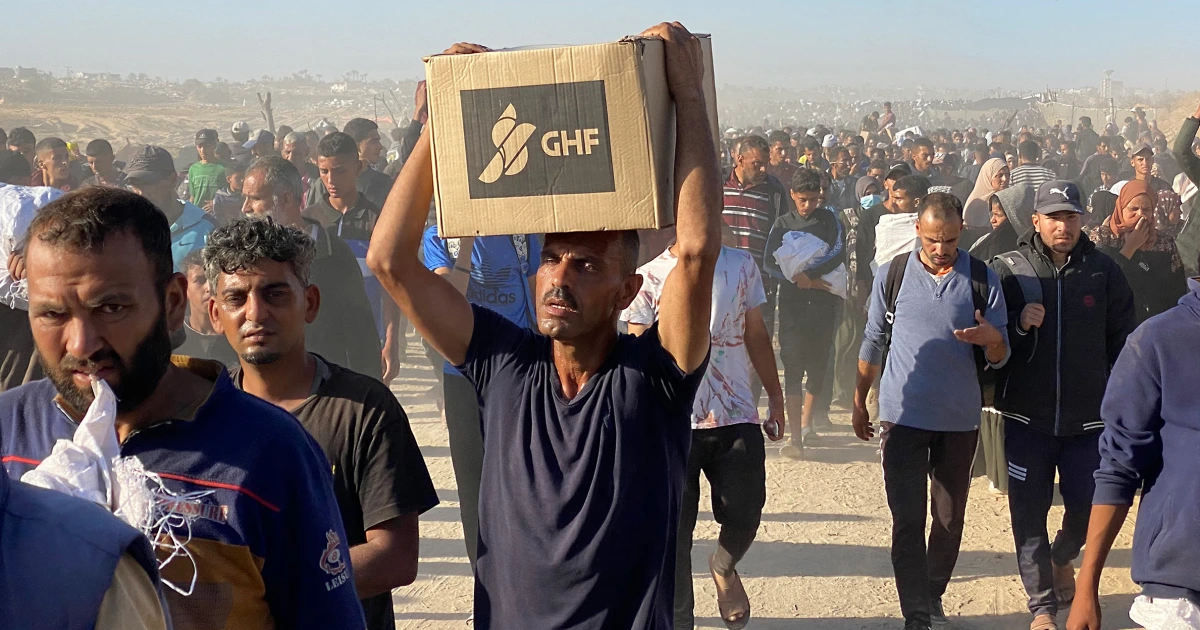
In the Middle East, the impact of environmental destruction in conflicts is more evident, as military operations affect water sources and agricultural resources. For instance, the ongoing Israeli aggression against Gaza has shown how environmental infrastructure destruction can cause significant humanitarian crises. Likewise, the civil war in Syria has created an explosive cylinder of conflicts related to water and food.
In general, experts emphasize the need for integration between environmental health and military practices to achieve lasting peace. Caring for the environment is a strategic choice not only to protect the land but also to ensure the sustainability of human life.
Additionally, observers agree that the increasing use of environmental destruction in military conflicts may raise greater global tensions. Countries characterized by policies that neglect the environment may expose themselves to international criticism and sanctions that could affect foreign relations.
Tackling this phenomenon is not only a legal task but also a moral responsibility that requires the international community to stand firm in protecting the environment, contributing to improving the humanitarian impact of wars. The truth is that armed conflicts mean not just the loss of lives but also the loss of the environmental and natural heritage we all need.