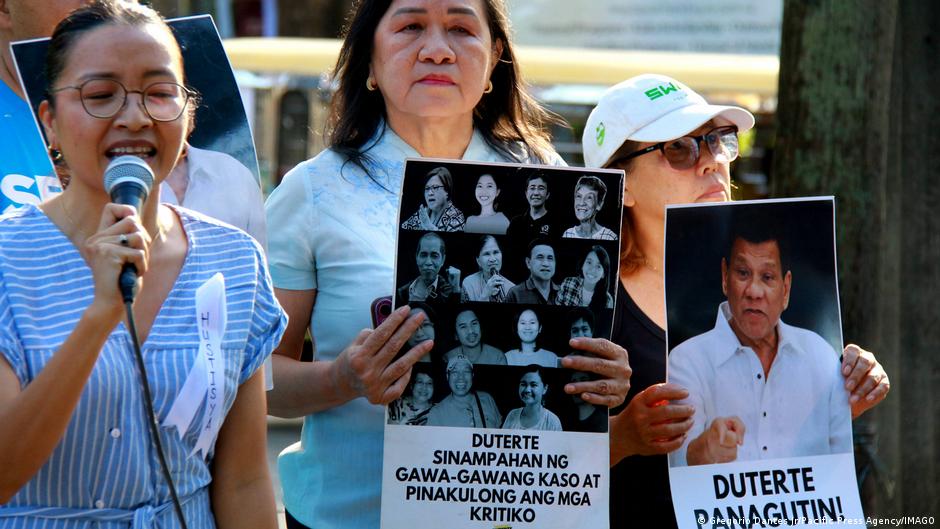
The Catholic Church in the Philippines has launched an independent commission to investigate extrajudicial killings associated with the drug war led by former President Rodrigo Duterte, which resulted in thousands of deaths during his administration from 2016 to 2022. This move comes at a critical time, as Duterte is set to face trial at the International Criminal Court on November 30.
The commission, known as the Truth Commission on Extrajudicial Killings, comprises five members, chaired by Raul Pangalangan, a former law professor at the International Criminal Court. The commission aims to hear and document the stories of victims and their families, in an effort to uncover the truths that were overlooked during the bloody campaign.
Details of the Commission's Work
Pangalangan stated that the commission will begin public hearings starting in July, where it will investigate numerous killings that occurred during the campaign. He noted that this campaign was a result of international community neglect, leading to what he described as a "conspiracy of silence" regarding the crimes committed.
Furthermore, Cardinal Pablo David, a member of the commission, emphasized that these investigations are long overdue, highlighting the importance of restoring the country's dignity by revealing the truths. He mentioned that many police officers involved in this campaign claimed that the victims "resisted," which necessitates an investigation into these allegations.
Background & Context
During his presidency, Duterte launched a violent campaign against drugs, labeling the Philippines as being threatened by becoming a drug state. Human rights organizations estimate that the death toll from this campaign is around 30,000 people. Duterte has been accused of committing crimes against humanity by the International Criminal Court, leading to increased international pressure on him.
Historically, the Philippines has faced significant drug-related issues, with previous governments attempting to address this problem in various ways. However, Duterte adopted a more violent approach, which sparked local and international criticism.
Impact & Consequences
This commission represents an important step towards achieving justice for the victims and their families and may help rebuild trust between the government and citizens. The findings of the investigation could influence the future of drug policy in the Philippines, potentially prompting the government to adopt more humane measures in addressing this issue.
These investigations are expected to exert further pressure on Duterte, who is already facing serious allegations. Additionally, this case may open the door for more investigations into human rights violations in the Philippines, which could impact the country's image on the international stage.
Regional Significance
The issues of human rights and drug enforcement are significant concerns affecting many Arab countries. With the rising drug problems in some Arab nations, the Philippines' experience may serve as an important lesson for countries facing similar challenges. Moreover, investigations into human rights violations could inspire advocacy movements in the region.
In conclusion, the establishment of the investigative commission in the Philippines marks a crucial step towards achieving justice and uncovering the truths, which may contribute to improving the human rights situation in the country and bolster international efforts to combat human rights violations.