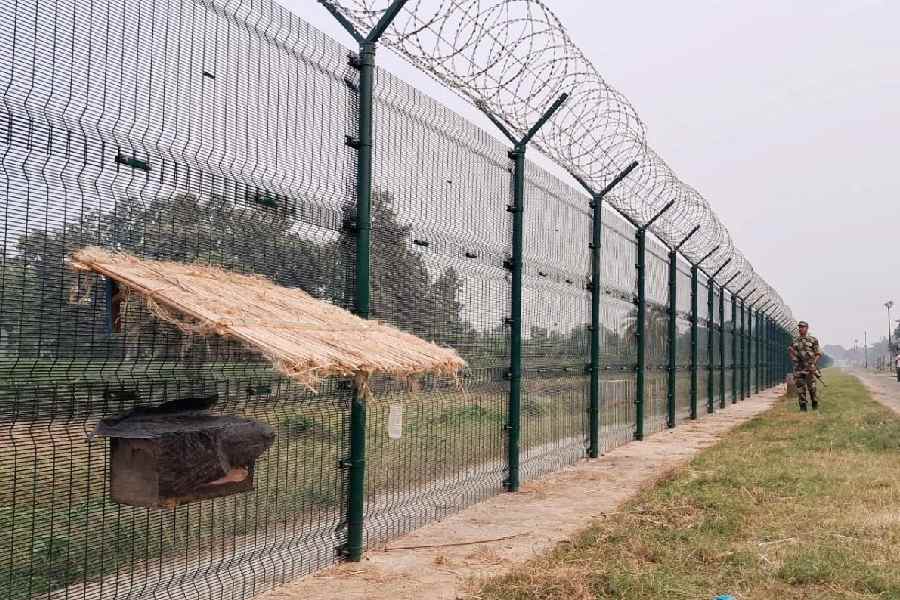
India is seeking to enhance the security of its border with Bangladesh through an intriguing proposal to release snakes and crocodiles along the frontier. This suggestion was made by the Indian Border Security Forces and discussed in a meeting with the Ministry of Home Affairs last February. The aim of this measure is to reduce unauthorized crossings from Bangladesh, particularly in areas lacking security fencing.
Manoj Barnwal, an official in the Border Security Forces, stated that using reptiles as a deterrent has been proposed as an innovative solution to address security challenges. He explained that the plan relies on leveraging natural factors such as crocodiles and snakes in flood-prone areas, where traditional methods like fencing are ineffective or impractical.
Details of the Proposal
The border between India and Bangladesh is considered one of the most complex in the world, stretching over 4,000 kilometers and covered by dense deltaic regions. In this context, Barnwal emphasized that there are several challenges facing this proposal, including how to acquire the reptiles and the impact on local populations living near the border.
Barnwal noted that the Border Security Forces have instructed their field units to assess the feasibility of this proposal and prepare a report as soon as possible. This suggestion comes at a sensitive time, as relations between India and Bangladesh have been strained following the revolution in Dhaka in 2024, which led to the ousting of the previous government.
Background & Context
Historically, relations between India and Bangladesh have been tense at times, especially concerning issues of migration and security. Following the revolution in Bangladesh, which forced former Prime Minister Sheikh Hasina to flee to India, tensions have significantly increased. The Indian government, led by Prime Minister Narendra Modi, has taken a hardline stance on migration, describing migrants from Bangladesh as "ants" and "intruders."
In recent years, India has constructed a border fence extending hundreds of kilometers and has arrested many Bangladeshis attempting to cross the border. Human rights organizations have accused India of pushing hundreds of Bengali-speaking Muslims into Bangladesh without following due legal processes.
Impact & Consequences
This proposal could have significant implications for India-Bangladesh relations. If implemented, it may escalate tensions between the two countries, as local populations may feel anxious about the presence of dangerous reptiles near their areas. There are also concerns about how this will affect the daily lives of residents living along the border.
Moreover, this proposal could lead to international criticism of India, as it may be viewed as a violation of human rights. It is crucial for the Indian government to consider potential reactions from the international community and human rights organizations before taking any executive steps.
Regional Significance
Considering the situations in the Arab region, there may be lessons to be learned from this Indian proposal. Security challenges and illegal migration are issues that many Arab countries face, especially those sharing borders with other nations. Harsh policies towards migrants can exacerbate humanitarian situations and increase tensions between countries.
In conclusion, India's proposal to use snakes and crocodiles at the border with Bangladesh represents an unconventional step that may carry numerous risks and challenges. It will be important to monitor the developments of this proposal and its potential impacts on the relations between the two countries.