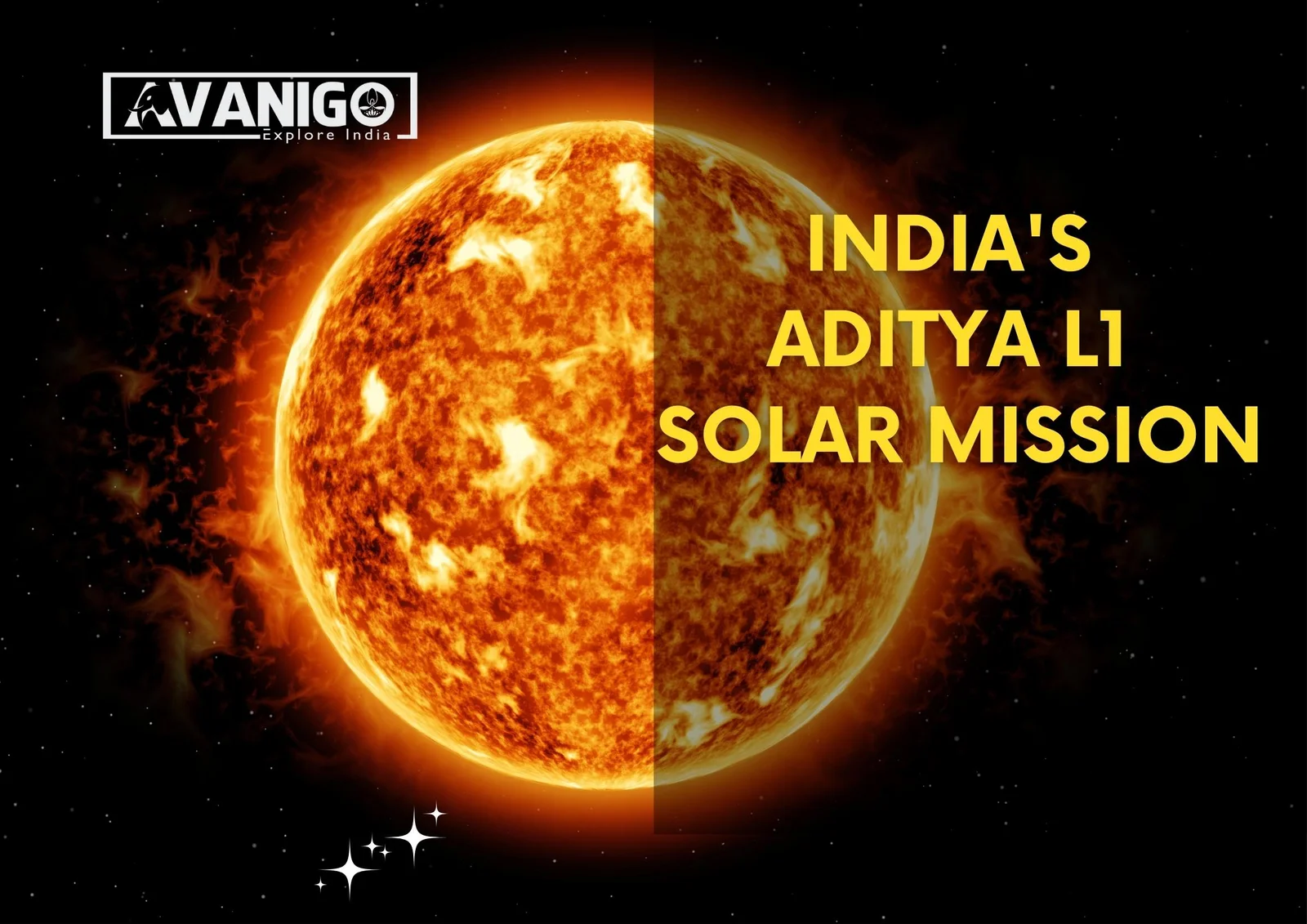
India has unveiled its plans to launch a new mission dedicated to studying the sun, following its remarkable success in the recent lunar mission. This step is part of India's efforts to enhance its capabilities in space and broaden the horizons of scientific research.
The new mission, named Aditya-L1, aims to study the sun's outer atmosphere and its effects on Earth. The launch is expected to take place in September 2023, utilizing advanced technologies to observe solar phenomena.
Details of the Mission
Through this mission, India seeks to gain a better understanding of solar changes and their impacts on Earth's climate. The spacecraft will collect data on solar winds, which are streams of charged particles that influence Earth's space environment.
This mission is part of India's growing space program, which has seen notable successes in recent years, including the Chandrayaan-3 mission that successfully landed on the moon's surface.
Background & Context
The history of India's space endeavors dates back to 1962, when the Indian Space Research Organisation (ISRO) was established. Since then, India has achieved numerous milestones in space exploration, including sending spacecraft to the moon and Mars.
The success of India's recent lunar mission reflects the technological progress and scientific research advancements made in this field, reinforcing its status as an emerging space power on the global stage.
Impact & Consequences
This mission is a significant step in enhancing scientific understanding of solar phenomena and their effects on Earth. It also underscores India's commitment to developing its space capabilities, which may open new avenues for international collaboration in this domain.
The data collected is expected to contribute to scientific research and the development of new technologies to address environmental challenges arising from climate change.
Regional Significance
India's achievements in space serve as an inspiration for many Arab countries seeking to develop their own space programs. These accomplishments could foster collaboration between Arab nations and India in scientific research and technology.
Moreover, understanding solar phenomena and their impacts on Earth could have direct implications for Arab countries, especially in light of the climatic challenges facing the region.
In conclusion, India's success in its lunar mission and its future plans to study the sun reflect ongoing progress in the field of space, opening new avenues for scientific research and international cooperation.