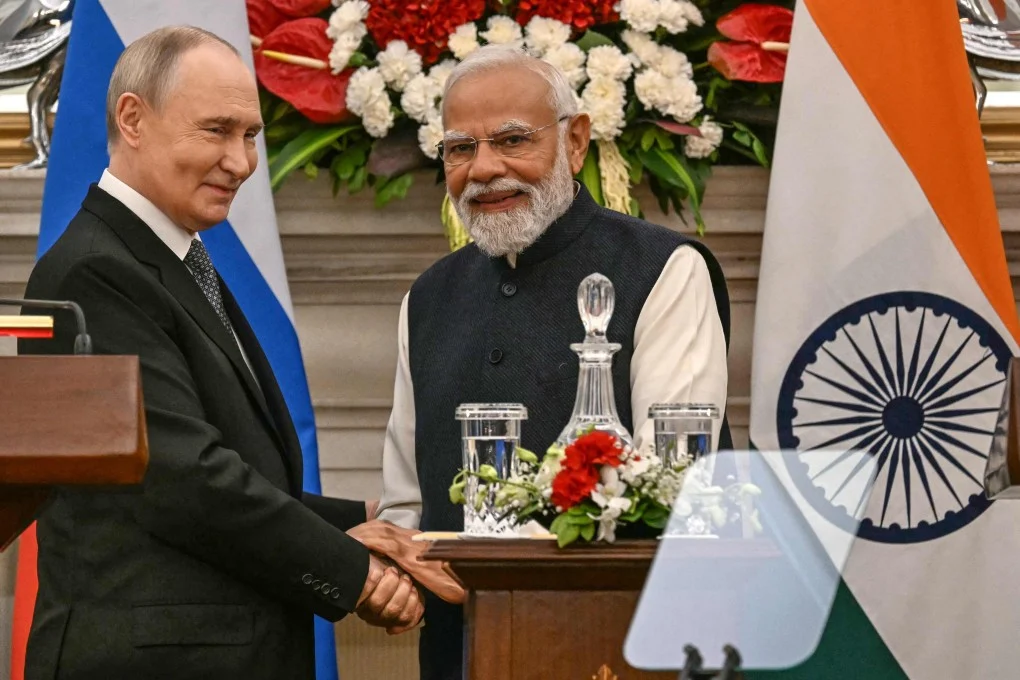
Amid the global energy crisis, India is looking to Russia to secure supplies of oil and liquefied natural gas, with officials confirming that Moscow is a reliable friend in this context. This move comes as geopolitical tensions between major powers continue to rise, making cooperation between India and Russia increasingly important.
In a statement, Russian Deputy Prime Minister Denis Manturov indicated that Moscow is prepared to increase energy supplies to India, noting that the relations between the two countries are based on deep strategic interests. Russia and India are viewed as allies in facing challenges posed by China and the United States, which enhances the significance of this partnership.
Details of the Development
These developments come at a time when the world is suffering from a severe energy crisis, with oil and gas prices soaring due to geopolitical conflicts, particularly the war in Ukraine. India, which is considered the third-largest oil consumer in the world, is seeking to secure stable energy supplies to meet its growing needs.
Russia is one of the largest exporters of oil and gas globally, and it has shown readiness to expand its partnership with India in this sector. Reports have confirmed that India is looking to increase its imports of Russian oil, reflecting a shift in global energy strategies.
Context and Background
Historically, Indian-Russian relations have been strong, with roots tracing back to the Cold War era. India relied on Russian military and technological support, contributing to the establishment of long-term strategic relations. With rising tensions between India and China, Russia has become a key partner for India in multiple fields, including defense and energy.
In recent years, the relationship between India and Russia has significantly improved, with numerous agreements signed to enhance cooperation in energy and technology sectors. This cooperation is part of India's strategy to reduce its dependence on traditional energy sources from Western countries.
Impact and Consequences
This move reflects a shift in global energy dynamics, as major countries seek to secure their energy supplies amid increasing crises. The anticipated increase in cooperation between India and Russia is expected to strengthen economic relations between the two countries, potentially contributing to long-term stability in energy prices.
Moreover, this cooperation may impact Indian-American relations, as the United States seeks to reduce dependence on Russian energy. India may find itself in a challenging position, needing to balance its relations with both Russia and the United States amid rising tensions.
Impact on the Arab Region
The Middle East is one of the largest oil-producing regions in the world, and thus any changes in global market dynamics could affect oil and gas prices in the region. Increased Indian demand for Russian oil may lead to price fluctuations, impacting the economies of oil-producing Arab countries.
Furthermore, these developments could reshape alliances in the region, as Arab countries seek to strengthen their relations with India and Russia amid geopolitical changes. It is crucial for Arab nations to closely monitor these developments to safeguard their economic and political interests.